

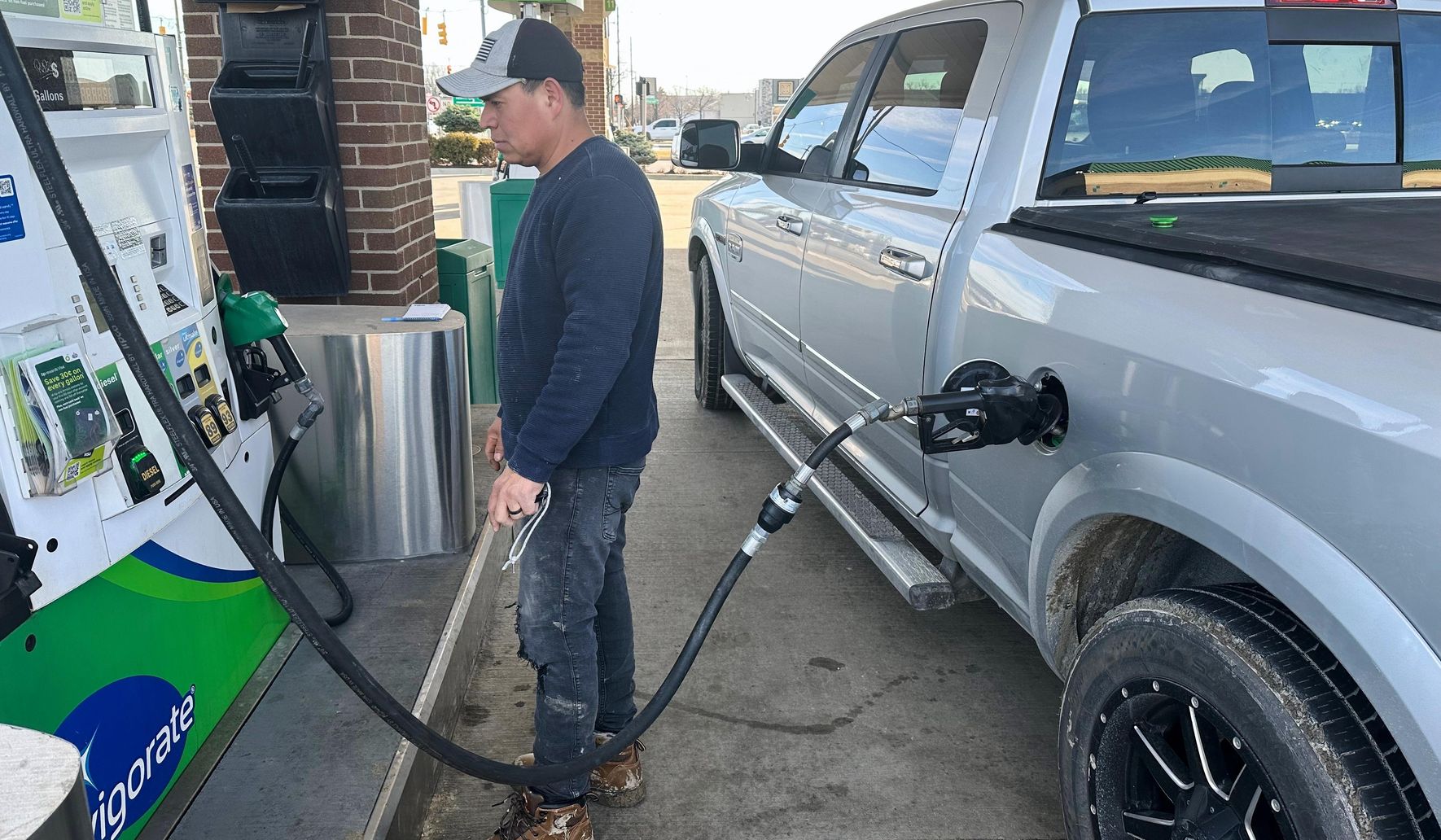
The White House on Tuesday said gas prices will drop swiftly once President Trump achieves his war aims in Iran.
The White House made a direct claim on Tuesday: “The White House on Tuesday said gas prices will drop swiftly once President Trump achieves his war aims in Iran.” That line captures a bold promise and a political posture all at once. It signals confidence from the administration and sets expectations about energy markets tied to military and foreign policy outcomes. Voters will hear a simple message: decisive action abroad will bring relief at the pump at home.
From a Republican perspective, this stance is straightforward and unapologetic. The argument is that strength overseas reduces uncertainty in oil markets, and lower risk equals lower prices. When markets see a credible plan and a clear endgame, traders and producers adjust rapidly, which can push pump prices down sooner rather than later. That is the practical logic behind the White House comment.
There are historical precedents where geopolitical clarity calmed markets and eased fuel costs. When rivals think the situation is contained, shipping lanes are safer and insurers lower premiums, which cuts into transportation costs for oil. Domestic producers also respond to predictable policy by ramping up output and investment, helping to stabilize supply. The administration is banking on those economic mechanics to move prices in the right direction.
Of course, military operations and the goal of regime change or deterrence carry risks and costs, and the public notices both. Still, the Republican viewpoint emphasizes that secure energy flows depend on strong leadership abroad and vigorous support for domestic production. That means pushing permissive policies for American energy businesses and keeping global chokepoints open for commerce. The promise about gas prices becomes a shorthand for a broader energy strategy focused on American strength.
Critics will say markets do not always behave on command, and they are right to remind the public that many variables matter. OPEC decisions, refinery disruptions, and longer-term demand trends in Asia can blunt any immediate drop in gasoline costs. Even so, when an administration credibly signals it can remove a persistent source of instability, private actors tend to reprice risk and act more confidently. That shift alone often produces measurable downward pressure on prices.
Beyond short-term market moves, the Republican framing here ties foreign policy to everyday pocketbook issues. The pitch is that decisive national security outcomes deliver economic dividends for ordinary Americans. It also justifies a policy mix that combines muscular diplomacy, targeted military options, and a sustained push for energy independence at home. That combination, the argument goes, reduces America’s vulnerability to foreign supply shocks and keeps more money in consumers’ hands.
Voters will weigh promises against results, and the administration knows that credibility matters. Saying gas prices will fall is an attention-getting claim and it sets a clear criterion for success. If the promised outcome arrives, political capital follows; if it does not, skepticism grows. For now, the White House has tied a national security objective to a tangible economic benefit, and that link will be tested in markets and at the ballot box.

