

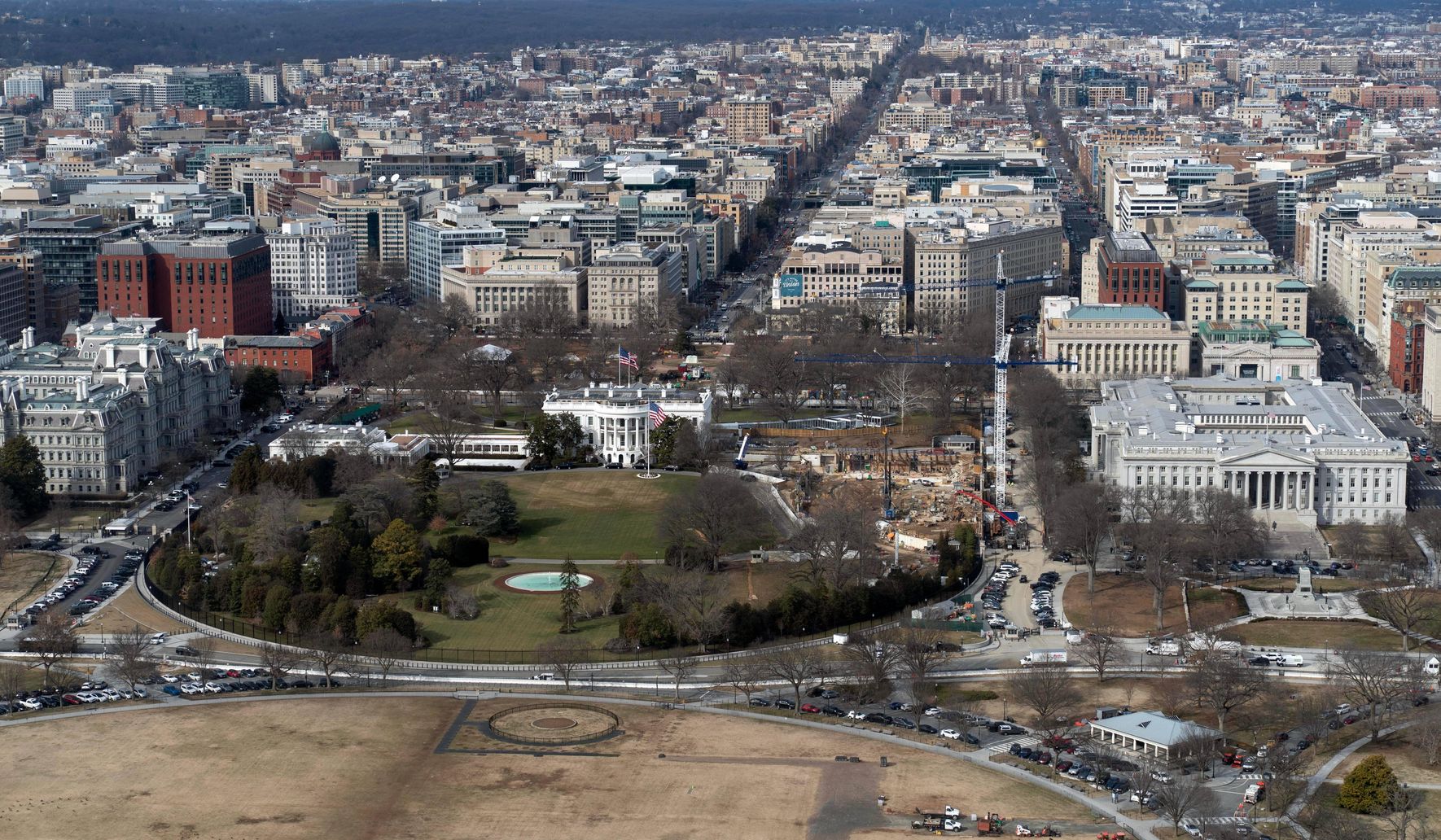
The Trump administration is proposing an underground visitor screening center at the White House as part of its plan to overhaul the grounds, aiming to modernize security while keeping the historic exterior intact.
The proposal calls for an underground center dedicated to security screening for guests who visit the White House, shifting routine checks out of public sight. Moving screening below grade would keep visible security infrastructure to a minimum while still improving processing capacity. That approach is part of the Trump administration’s plan to overhaul the grounds and update how the complex handles visitors.
Supporters argue that modern threats require updated facilities, and an underground screening center is a practical way to meet that need without altering the mansion’s familiar look. Placing equipment and checkpoints underground allows for advanced technology and controlled flow of people in a discreet footprint. This design keeps the campus welcoming while addressing security realities that demand professional solutions.
Putting a processing hub beneath the surface also promises to smooth the visitor experience by centralizing ticketing and ID checks in one location. Centralized operations reduce bottlenecks at gates and free up staff to manage arrivals more efficiently. For public tours and official functions, streamlined entry can mean fewer delays and clearer logistics.
From a conservative perspective, the effort reflects sensible priorities: protect the President, staff, and visitors while preserving national heritage. Security is not optional when it comes to the seat of government, and updating infrastructure is a responsible exercise of government authority. The goal is simple — keep people safe and keep the historic site intact.
Implementing an underground screening center requires coordination among multiple agencies, including the Secret Service and federal planners, to meet technical and security standards. Environmental reviews, engineering assessments, and interagency planning will guide the project so that security needs align with preservation rules. Those steps ensure the work is done right and within proper legal frameworks.
Design choices matter because the White House grounds are both a functional security zone and a national symbol that residents and visitors recognize. An underground solution respects the landscape by hiding intrusive elements and maintaining sightlines to historic buildings. Thoughtful integration of new facilities helps protect the site physically and visually for future generations.
Taxpayer stewardship should be part of the conversation, and conservative oversight can demand cost discipline while supporting necessary upgrades. Projects like this deserve transparency about budgets and timelines so citizens understand how funds are used. Responsible oversight balances fiscal prudence with the practical need to protect a high-value public asset.
Maintaining public access remains an important consideration even as security improves, since the White House is a working symbol of open government. The intent behind an underground screening center is not to close doors but to manage them better. Smart design can preserve access for tours and events while ensuring those who enter are properly vetted.
Critics may worry about changes to a familiar landscape, but many valid concerns can be addressed through careful planning and public communication. Clear explanations of why measures are needed and how the final result will look help reduce suspicion. When done transparently, upgrades can earn public support without compromising safety or heritage.
Practical engineering favors underground options when the surface must remain unchanged and security needs are high, because subsurface work preserves planting, walkways, and views. Modern construction techniques allow builders to install systems for ventilation, surveillance, and emergency response out of sight. That minimizes long-term disruption to the visitor experience and the historic setting.
Next steps involve technical studies, permitting, and interagency approval before any construction begins, with an eye toward minimizing disruption during work. Community engagement and regular reporting can keep the public informed as plans move forward. With careful execution, an underground screening center can reconcile security demands with respect for a treasured national site.

