

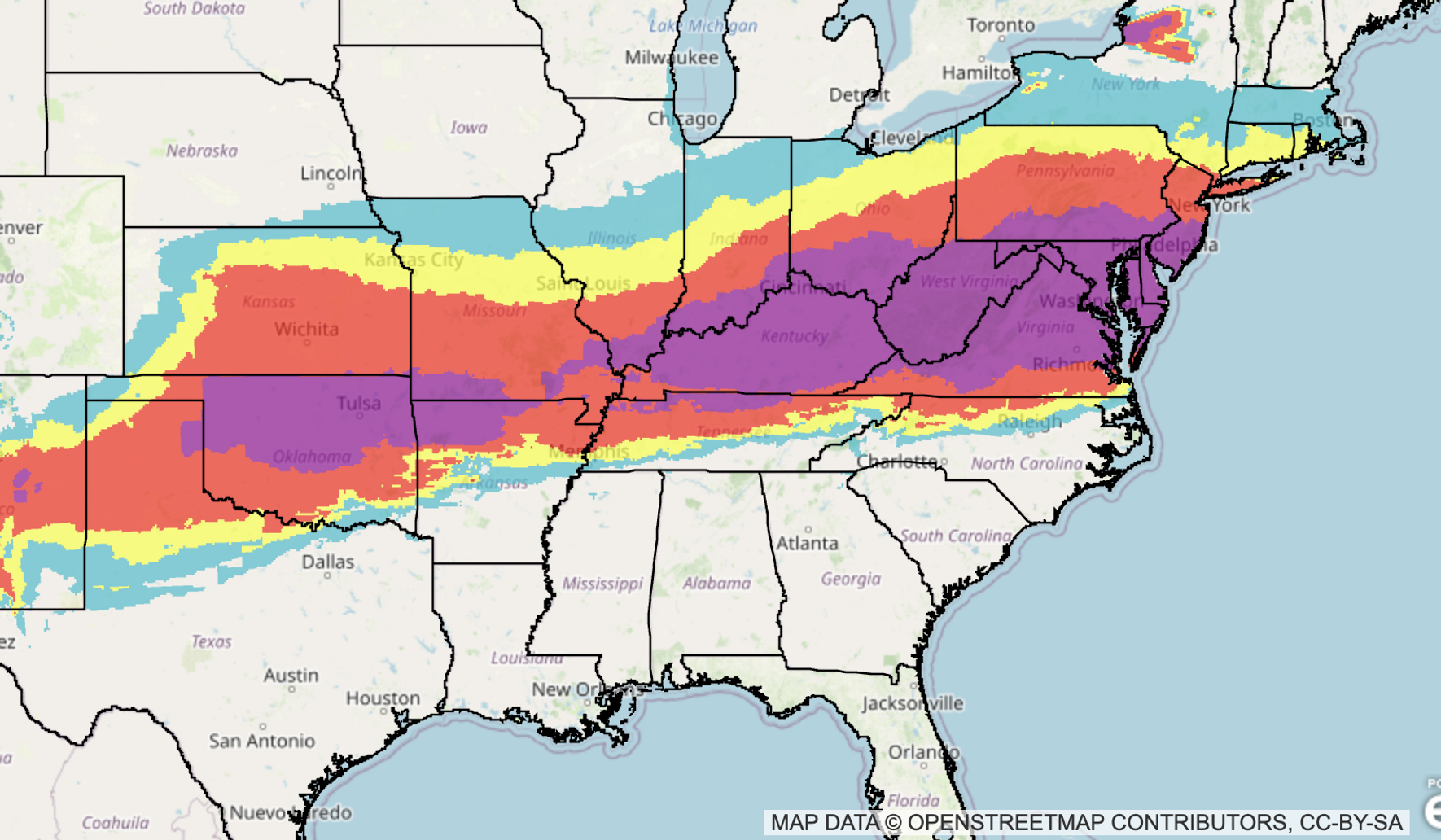
A fast-moving winter storm is set to deliver snow and ice across the District, and its effects are likely to last longer than a weekend nuisance as forecasters warn bitter cold could grip the area for days.
The storm will bring a mix of snow and freezing rain that can make roads slick and slow travel. Expect intermittent power disruptions where ice accumulates on lines and tree limbs. Officials are stressing that this is not just a one-day event; the cold behind the system will linger.
Transportation will be the immediate headache for commuters and delivery services alike. Plowed roads can still refreeze under subfreezing air, creating black ice at dawn and after sunset. Public transit may run on reduced schedules, so plan for delays and allow extra time for essential trips.
Power outages are a realistic risk in neighborhoods with older infrastructure and heavily treed streets. Ice buildup adds weight to branches and utility lines, increasing the chance of failures. If the power goes out, cold interiors and limited phone charging are the main problems residents will face.
People living in rental units and older homes should shore up basic protections against the cold. Insulate exposed pipes, keep a supply of bottled water and nonperishable food, and have flashlights with fresh batteries on hand. A battery-powered radio can be the most reliable way to get updates if phones and the internet go down.
Seniors, infants, and those with chronic health conditions are at higher risk during extended cold snaps. Check on neighbors and arrange temporary shelter if home heating fails. Warming centers and emergency shelters are often opened by local agencies; watch for official announcements about locations and hours.
Schools and workplaces may shift to remote options or close for safety, depending on how the storm evolves. Parents should confirm emergency plans and teachers should prepare concise lesson plans that can be delivered online if necessary. Employers are encouraged to be flexible to reduce road traffic and keep people off hazardous routes.
Road crews will work to clear main arteries first, then secondary streets, so residential areas often wait longer for treatment. Salt and sand help, but they lose effectiveness when temperatures fall well below freezing. Residents should avoid unnecessary driving until plowing and deicing crews finish key routes.
Gardeners and homeowners with outdoor plumbing should take steps to prevent burst pipes and landscape damage. Disconnect hoses, shut off exterior water valves where possible, and wrap vulnerable pipes in insulation. Trees with heavy, wet snow or ice need inspection once conditions allow; do not attempt to remove large broken limbs yourself.
Businesses that rely on deliveries or in-person customers should review contingency plans and communicate clearly with customers about hours and safety measures. Those that can shift operations online or stagger staff hours will reduce exposure and keep services running. Keep emergency supplies ready for staff who must remain onsite during the storm.
Meteorologists note that timing and local totals will vary across the city and suburbs, so forecasts can change quickly as the system moves. Stay tuned to official weather briefings from local authorities for updates on warnings and advisories. Simple preparations now can cut the stress and danger that come with extended cold and icy conditions.
After the snow and ice move out, cleanup will be the next big task for residents and municipal crews alike. Piles of plowed snow can hide hazards and make sidewalks impassable, so clear paths to doors and curb cuts as soon as it is safe. Efficient cleanup and cautious behavior during the transition from storm to cold will help keep people moving and reduce avoidable emergencies.

