

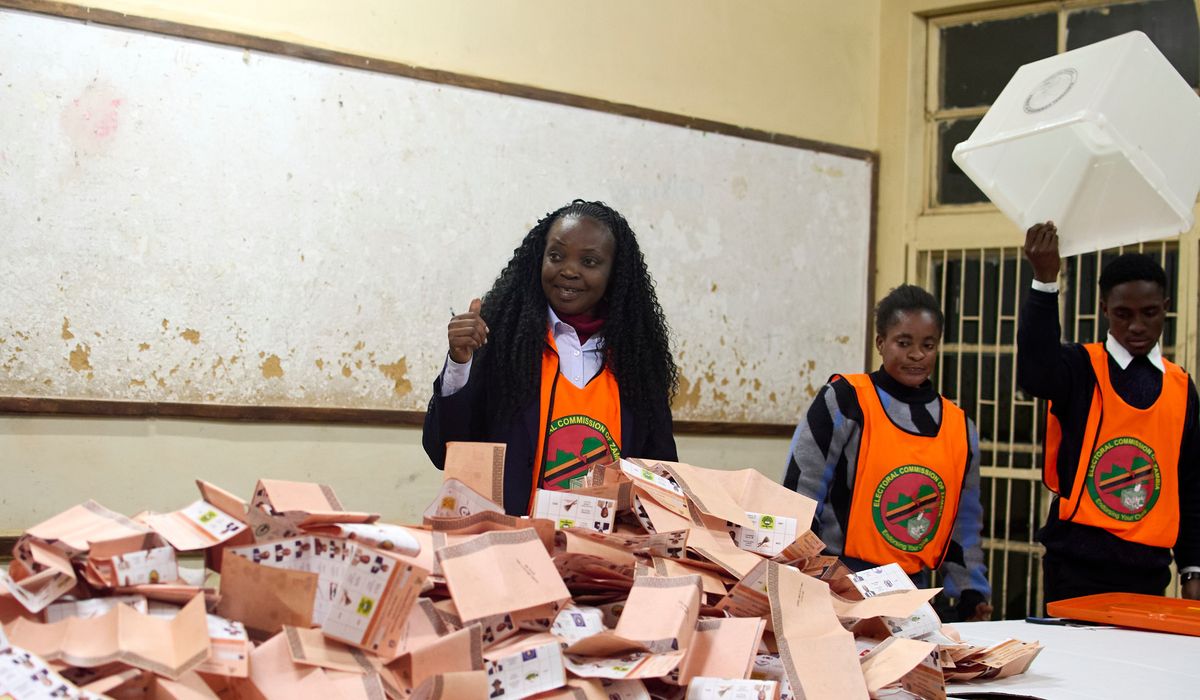
Vote counting in Zambia’s presidential election was suspended by the electoral authority Friday over reports of attacks on polling officials and the theft of some ballot papers. The suspension has raised immediate questions about the security of the process and what happens next. This article walks through the facts, the likely consequences, and how observers and leaders are reacting.
Officially, vote counting was halted after reports came in about attacks on polling officials and some ballot papers being stolen. Those basic facts are straightforward and alarming on their face, because the act of counting votes is the core of any election’s legitimacy. When counting stops under a cloud of violence or theft, people naturally ask whether results can be trusted and how the situation will be resolved.
In practical terms, suspending the count buys time for authorities to assess damage and secure remaining materials. It is not a solution in itself, and the pause invites scrutiny from opposition parties, civil society, and international observers. Every face-off over ballots is a test of institutions, and Zambia now faces that test in public view.
From a law-and-order perspective, the priority should be protecting people who work the polls and safeguarding ballot papers wherever they are stored. Attacks on officials and theft of ballots are crimes that undermine public confidence, and they should be investigated promptly. A transparent chain of custody and clear, timely updates from the electoral authority are essential to calm nerves and limit rumors.
Political actors will play this situation differently depending on their stakes. Candidates and parties that believe they gained ground might push for an immediate resumption of counting, while those that see risk may demand investigations before any results are finalized. That dynamic is predictable, but leaders should avoid escalating rhetoric that deepens division or makes peaceful resolution harder.
International observers and partners typically warn against politicizing security incidents and urge independent inquiries, and that will likely happen here. Those outside Zambia can press for a neutral, evidence-based review, but foreign commentary should respect sovereignty and avoid fueling internal tensions. Practical support, like forensic assistance or observer missions, can be useful when requested by local authorities.
Media coverage will shape public perception in the hours and days ahead, so accurate reporting matters more than ever. Sensational claims or unverified numbers will only worsen mistrust, while clear updates about what was taken, who was harmed, and what steps are being taken can steady the public. Responsible outlets should focus on confirmed facts and hold officials accountable for delivering transparent answers.
For citizens, the sudden halt is confusing and unsettling, especially for voters who showed up to participate. People deserve to know that their ballots matter and that stolen or tampered papers will be treated seriously. Rebuilding trust will require not just words but actions: independent audits, controlled recounts where appropriate, and legal avenues that are open and fair.
In the medium term, this incident will raise questions about election administration and security planning across the region. Electoral bodies should review what worked and what failed so similar lapses can be prevented in future contests. The goal should be durable improvements that make election days safer and results more resilient to disruption.
At the end of the day, voters need clarity about next steps and a timetable for when counting will resume or when any investigations will conclude. Authorities must balance speed with thoroughness, since rushing can leave problems unresolved while delay prolongs uncertainty. The integrity of the process and the safety of officials and voters should guide whatever comes next.

