

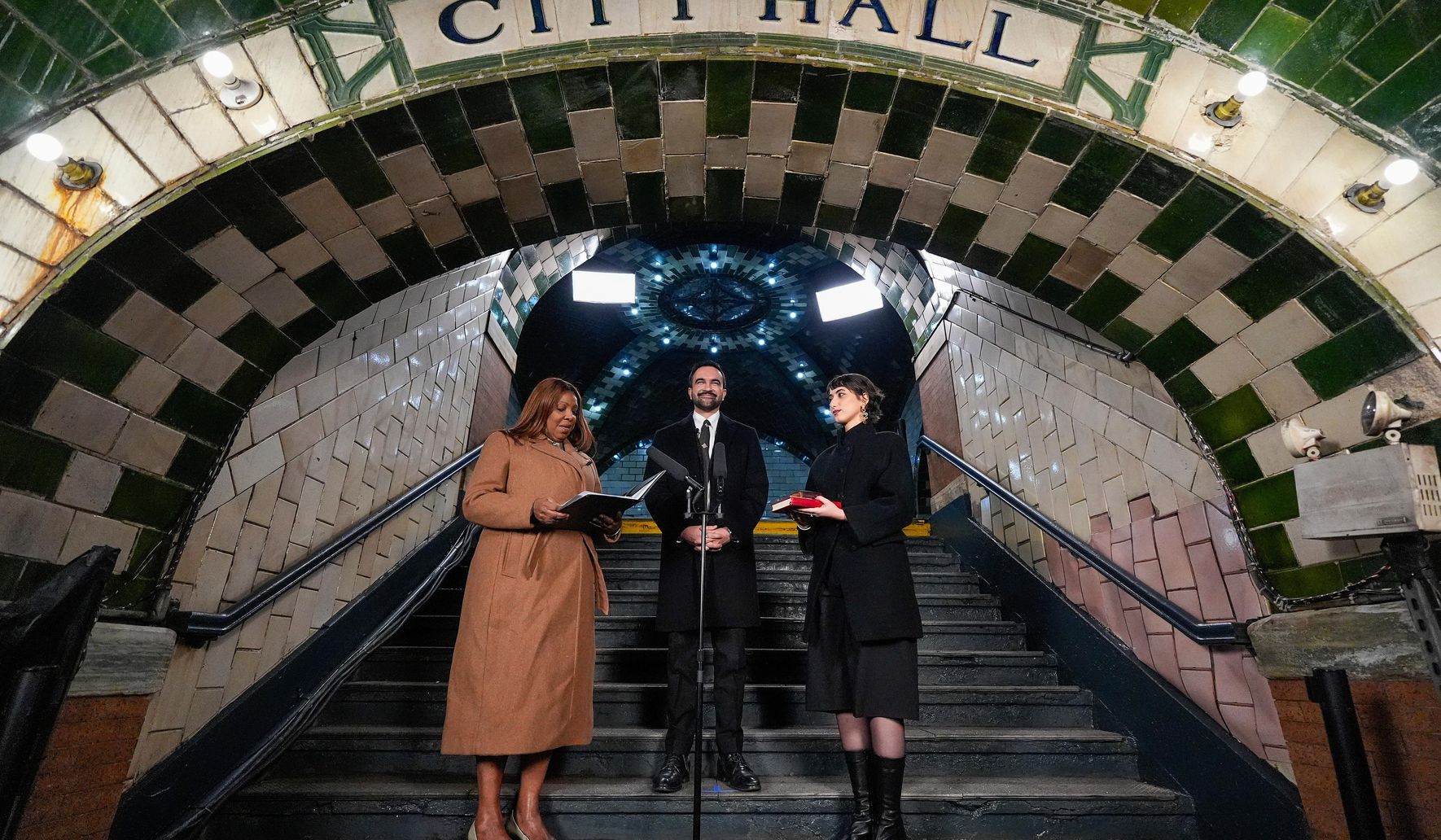
Zohran Mamdani took the oath of office just after midnight Thursday at a decommissioned Manhattan subway station, marking the official start of his term as mayor of New York City.
Zohran Mamdani stepped into office at an unusual location, a decommissioned subway station in Manhattan, and he took his oath just after midnight on Thursday. The choice of venue was symbolic, connecting the ceremony to the city’s transit history while also underscoring a desire to signal change. The late-hour swearing-in added a theatrical touch to a transition that will be judged on results, not gestures.
The early hours and the historic setting drew attention, but attention alone won’t solve the practical problems New Yorkers face. City residents expect concrete plans to address public safety, clogged commutes, and fiscal pressures, and they will measure the new mayor by outcomes rather than symbolism. A mayor who leans into accountability and clear targets can reassure voters who want to see a safer, more efficient city.
From a Republican viewpoint, the timing and backdrop are less important than the hard work of governing, and the urgency of restoring order and managing the budget cannot be overstated. New Yorkers want visible law enforcement where it matters, fast response times, and a city administration that enforces rules fairly and consistently. If the new administration focuses on practical fixes instead of purely symbolic moves, it stands a better chance of winning public trust.
Transit will be a test of competence and priorities, given the ceremony’s subway setting, and commuters expect reliable service and transparent planning. Fixing delays and improving maintenance require clear leadership and a willingness to set priorities, including efficient contracting and careful oversight of spending. Voters will watch whether the mayor pairs ambitious promises with realistic timelines and accountable teams.
Budget discipline is another area where a straightforward approach matters, and fiscal responsibility should be front and center as taxes, pensions, and service costs compete for scarce resources. The city cannot rely on hopeful projections forever, and adjustments will be necessary to align services with revenue without sacrificing core functions like public safety and sanitation. A mayor who signals a commitment to tough choices will find skeptical but supportive residents who value competence over ideology.
Homelessness and housing policy are complex problems that demand both compassion and tough management, and residents expect plans that reduce visible street homelessness while expanding real opportunities for stable housing. Solutions that ignore enforcement or lack follow-through will likely fail, so coordination across agencies and measurable benchmarks are essential. Effective policy requires both funding and administrative rigor, with a focus on outcomes rather than slogans.
Political theater has its place, but governing a city of eight million is an exercise in steady execution and accountability, not just symbolism. The midnight oath at a shuttered subway station will be a memorable image, yet history will judge this administration by whether it restores safety, stabilizes finances, and improves daily life for residents. New Yorkers deserve a mayor who prioritizes results, enforces the law fairly, and manages resources with a clear eye toward effectiveness and transparency.

