

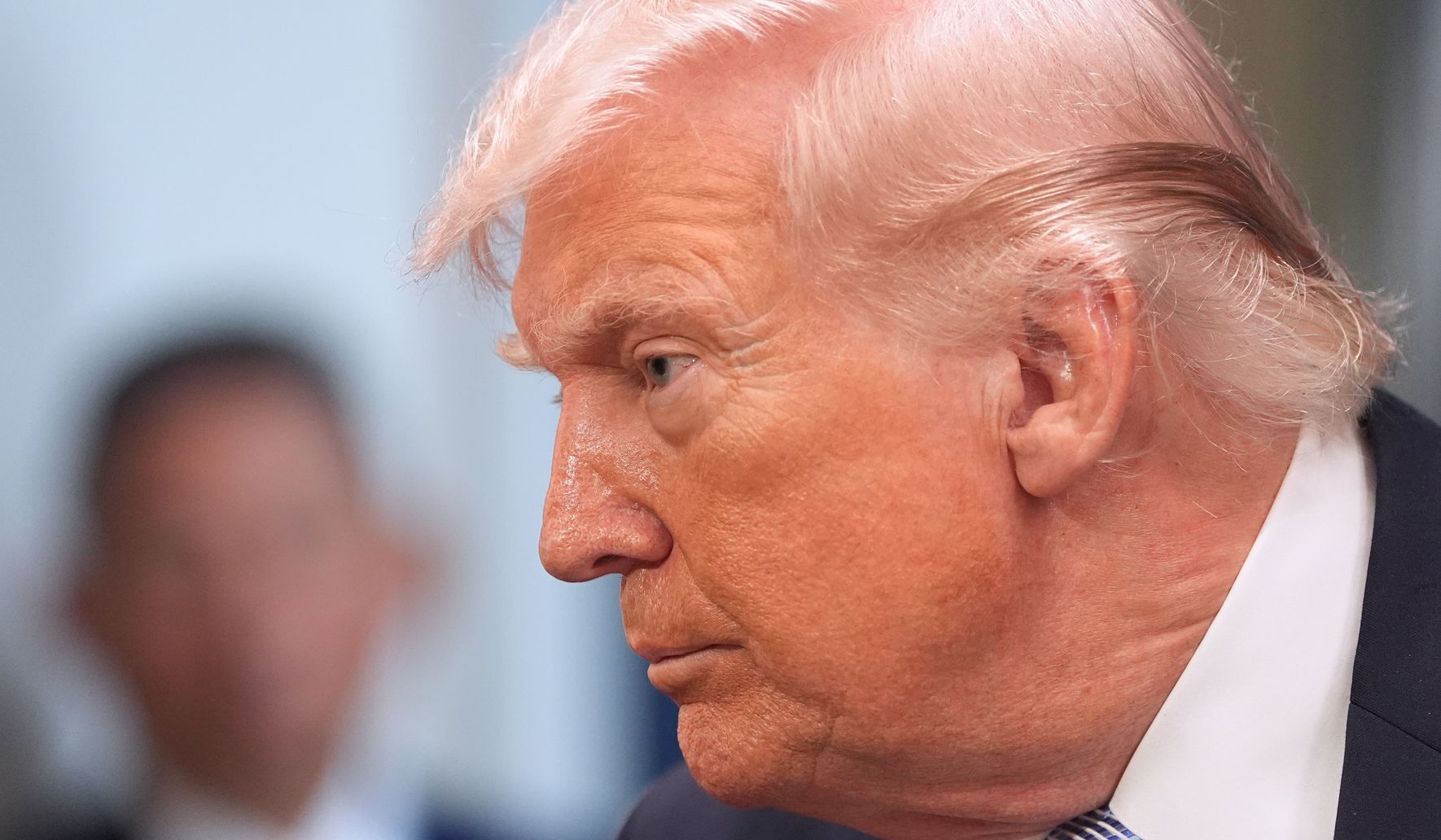
President Trump has declared that oil shipping in the Persian Gulf must flow unhindered and said it should happen “with or without” Iran’s cooperation as diplomacy starts to address the conflict in the region.
The president’s blunt message puts clear emphasis on unimpeded maritime commerce through a region that moves huge volumes of global energy supplies, and it signals a willingness to press U.S. military and economic power if necessary to keep those sea lanes open. That stance ties directly to broader priorities of national security and economic stability, where secure energy routes protect American interests and support allies. Republicans have long argued that freedom of navigation is nonnegotiable, and this remark fits that posture.
Operationally, the United States can rely on its naval presence and partnerships to deter interference, and the administration is making that deterrent posture unmistakable. Forward-deployed assets, combined with coalition patrols and intelligence sharing, give Washington options to respond to threats that disrupt shipping. The message is intended to raise the cost for any actor considering seizures, harassment, or closures of critical waterways.
At the same time, the White House is pursuing diplomacy to reduce the risk of escalation and to secure assurances from regional partners, creating parallel tracks of pressure and negotiation. Working with Gulf states, NATO partners, and like-minded countries in Asia, policymakers aim to form a web of security that discourages aggressive moves. Diplomacy here is not a substitute for strength; it is a complementary tool that benefits from credible backing.
Economic considerations are central, because any sustained interruption in Persian Gulf traffic would ripple through oil markets and raise prices for consumers worldwide. A disruption to exports and shipping routes would affect refiners, traders, and downstream industries, and could fuel inflationary pressure at home. Republicans frame firm action as both a national security imperative and a means to shield the U.S. economy from external shocks.
Sanctions remain a key lever in the toolkit, calibrated to punish bad behavior while preserving avenues for de-escalation should parties change their behavior. Targeted measures can isolate financial networks and deny resources to actors who threaten maritime stability, while leaving diplomatic channels open for negotiated outcomes. This approach allows Washington to impose costs without committing to open-ended military campaigns.
Regional partners play a vital role in sustaining maritime security, and building interoperability with Gulf navies and coast guards increases the effectiveness of patrols and escorts. Shared training, intelligence fusion, and coordinated rules of engagement make coalition responses faster and more predictable. For Republicans, investing in those partnerships is a cost-effective way to project influence and protect trade flows.
Domestically, the administration’s firmness is pitched to voters as protecting American energy interests and asserting leadership on the world stage. That narrative emphasizes energy independence and the idea that the United States will not tolerate actions that threaten the global supply chain or raise costs for working families. It also underlines a preference for decisive action backed by clear objectives and measurable results.
While the president insists on keeping oil traffic moving even if Iran is uncooperative, the simultaneous pursuit of diplomatic channels reflects a pragmatic mix of pressure and engagement that aims to avoid unnecessary escalation. The balance is delicate: deter and defend where needed, but leave space for negotiations that reduce long-term risk. In this view, projecting strength creates the leverage required to bring parties to the table without abandoning core American interests.

