

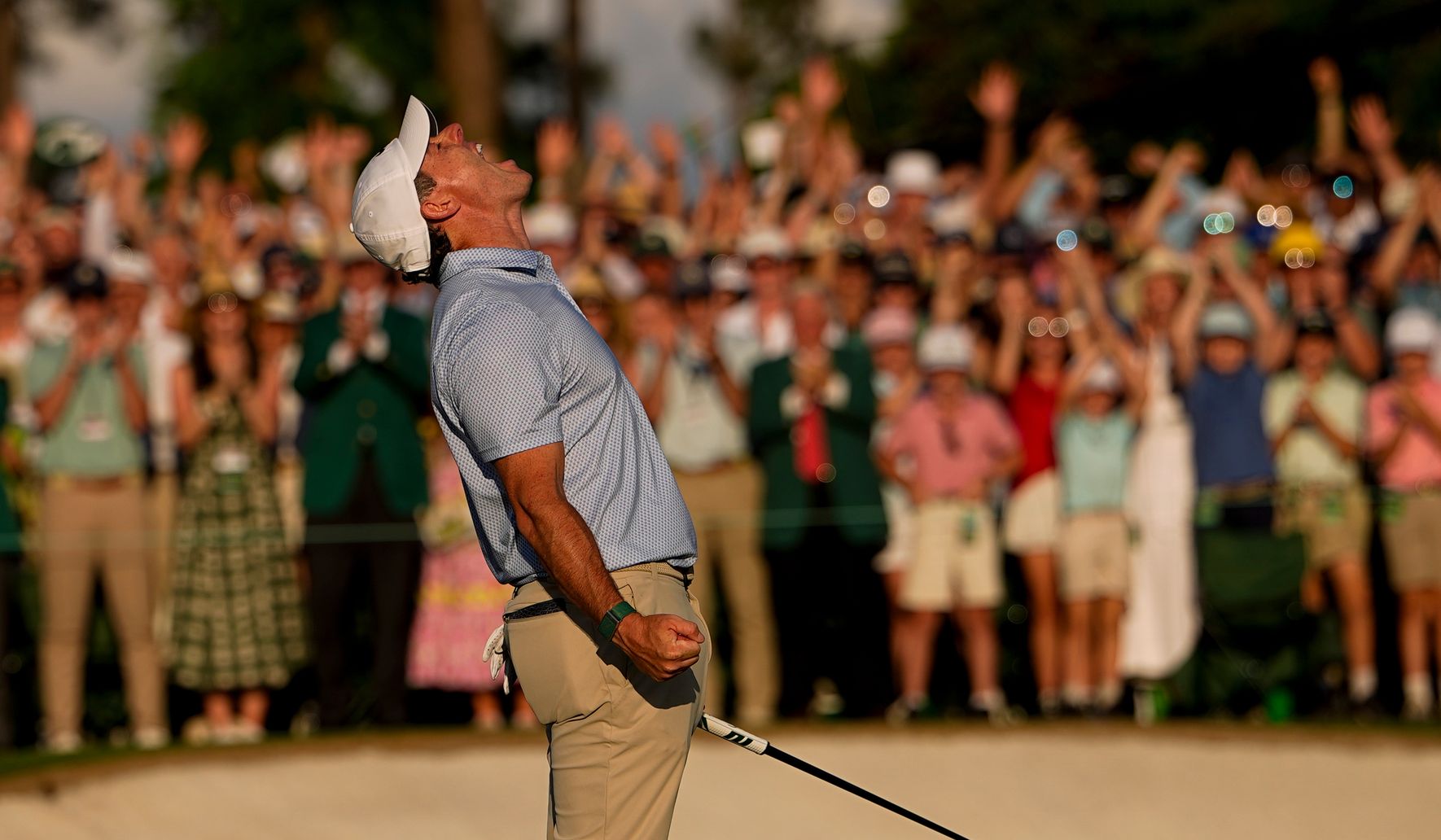
Rory McIlroy joined more elite company Sunday at the Masters when he pulled away with a pair of birdies around Amen Corner and, as usual, saved a little drama for the end before taking his place in Augusta.
Rory McIlroy made the final day at the Masters feel like a statement, not a surprise. He separated himself when it mattered, turning key holes into momentum and showing the course some respect while taking charge. Fans who expect tension still got it—he left a touch of drama at the finish—but the result felt decisive.
The swing to victory centered on a short stretch everyone talks about: Amen Corner. McIlroy produced a pair of birdies around that sequence, a tidy, game-changing flourish that forced contenders to catch up. Those holes demand nerve and strategy, and his execution under pressure underscored why he belongs at the top of the leaderboards.
McIlroy’s approach combined aggression with control, tee shots that found fairway and short-game shots that stayed calm. He didn’t need fireworks every hole; instead he manufactured the right moments and let steady play carry him the rest of the way. That balance is what separates winners at Augusta from the rest.
Mentally, he looked like someone who had been through big moments and learned from them. There were no reckless gambles, just confident lines and smart reads around the greens. When the pack pushed, he responded by tightening up and avoiding self-inflicted errors.
Watching McIlroy close felt familiar: early pressure, a timely charge, and then the signature end-of-round theater. He allowed the crowd to stay engaged with a late wrinkle, a reminder that golf at this level still serves up suspense. Even so, the late drama never masked the control he had for most of the round.
This week’s win adds another chapter to a career already full of high points and near-misses. Victories at major venues are the kind of milestones that shift how players are discussed, and this one does the same for him. It’s not just another trophy; it’s validation of an approach that mixes patience with punch.
Technically, a couple of moments stood out: smart club choices on par fives and conservative aggression on the toughest holes. Those calls turned likely pars into birdie chances and kept bogeys off the card. When the leaderboard tightened, those decisions delivered the edge he needed.
The crowd’s reaction reflected respect more than surprise—people who follow the game acknowledged the skill on display. At Augusta, that kind of reception counts: the gallery knows when someone controls both shot and temperament. McIlroy handled both like a veteran who has been in the fire and come out sharper.
Conversations after the round will focus on the signature gains and a few near-misses that kept things interesting. Analysts will point to the Amen Corner birdies as the turning point and praise the late composure. Whatever angle you prefer, the result is the same: a performance that will be talked about in the weeks to come.
Beyond the leaderboard, the week reinforced familiar themes about big-event golf: preparation matters, choices matter, and timing matters most of all. McIlroy’s week showed how all three can align into a win that looks both inevitable and well-earned. Fans and critics alike will file this one under performances that combined skill with the right moments of bravado.

