

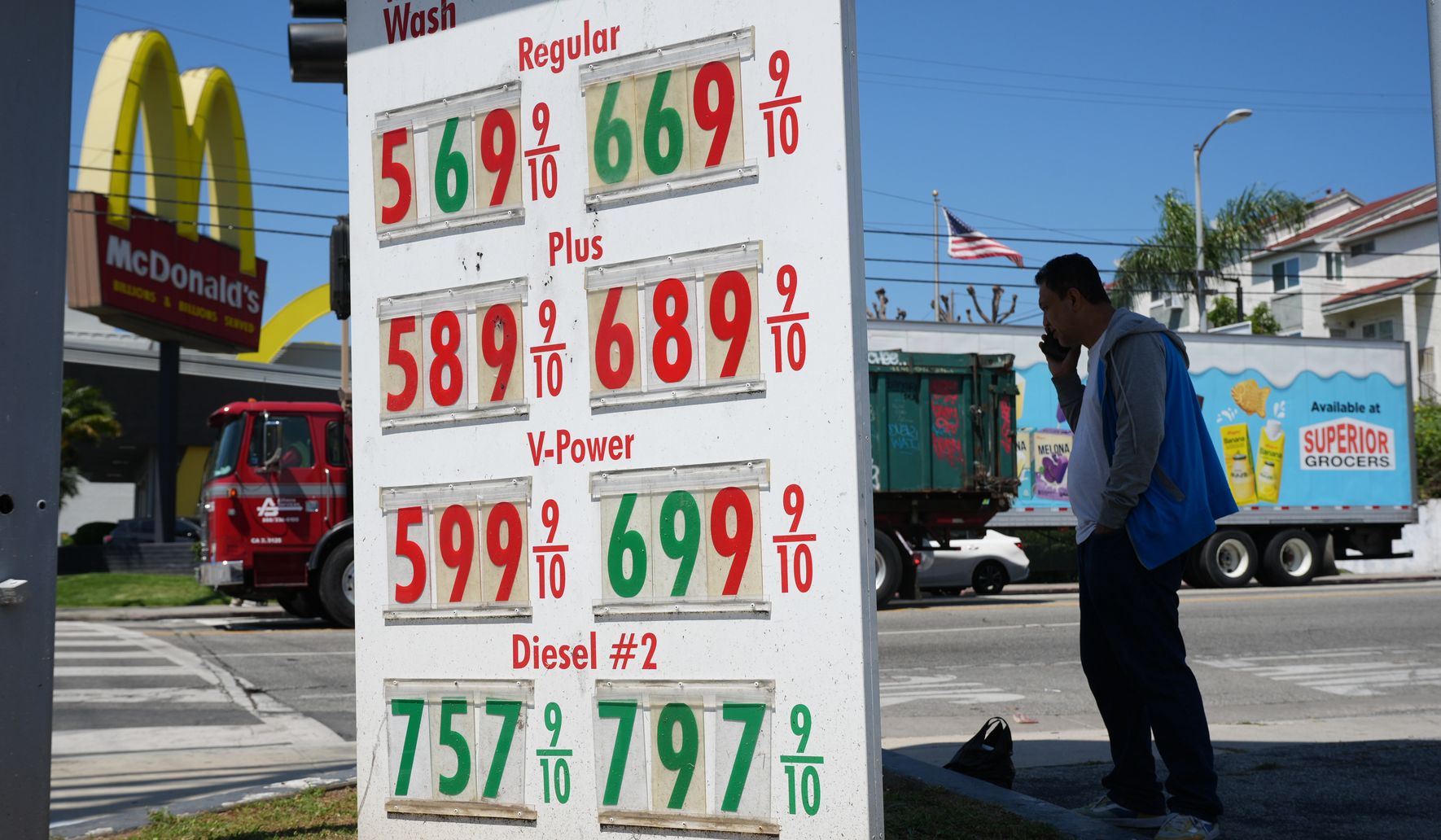
Tribal lands are exempt from state fuel taxes under more than a century of U.S. court rulings holding that states lack authority to tax Native Americans on their own land. This creates measurable price differences at pumps near reservations and shapes local economic choices. The outcome varies by state, tribal law, and the presence of compacts with state governments.
The legal foundation behind tax-free fuel sales on tribal lands rests on longstanding court decisions and tribal sovereignty. Courts have repeatedly held that states generally cannot impose their fuel taxes on tribal members purchasing on tribal land, and that principle has shaped how stations on reservations price gasoline. That framework is why you often see lower pump prices at tribal stations compared with nearby off-reservation outlets.
Savings at the pump differ widely depending on a state’s tax rates and whether the station is actually on trust land. In places where state taxes make up a large share of the retail price, the gap can be significant, especially for drivers who consistently buy from tribal stations. Where state taxes are lower, the advantage shrinks and may only be a few cents per gallon.
Tribes manage fuel sales under their own regulations and business rules, which means pricing decisions reflect local priorities, not state tax policy. Some tribal governments operate stations to generate revenue for services, while others allow private enterprises to run pumps under leasing or licensing arrangements. That variety affects both the size of any discount and how visible the tax exemption appears to motorists.
Cross-border shopping patterns follow predictable lines when price differences are meaningful, with drivers from nearby towns sometimes traveling into reservation communities to save. That behavior can put political pressure on state officials and local retailers, especially in rural areas where margins are thin. Industries and communities debate whether these patterns are an internal tribal economic boost or an unfair competitive edge.
States have several responses short of changing the courts, including negotiating compacts or agreements with tribes that share revenue or establish collection mechanisms. Those deals can reduce tensions by offering tribes predictable income while giving states some revenue. But they require negotiation and mutual consent, and results vary from state to state.
Enforcement is another practical issue, because a tax exemption tied to legal status and location requires oversight at points of sale. Transactions by non-tribal customers off reservation or in mixed jurisdictions can complicate collection and create gray areas that draw scrutiny. Retailers, tribes, and states must clarify where sales occur and who qualifies for exemptions to avoid disputes.
Beyond legal and fiscal details, the exemption has real-world effects on transportation costs for local residents and on tribal efforts to fund schools, health care, and infrastructure. Fuel revenue can be a stable income source for tribal governments when other options are limited. Conversely, it can also spur criticism that basic services are funded in ways that rest on uneven regional tax burdens.
Public discussion about tribal fuel tax exemptions often mixes legal history with current politics, but at its core the situation hinges on two facts: tribal sovereignty and the limits of state taxing power on trust lands. Any meaningful change requires legal moves, negotiated compacts, or new arrangements that respecting tribal authority. Until then, price differences at the pump will remain a visible expression of that legal boundary.

