

Information used to be locked in thick volumes and slow searches; today we summon answers in seconds and the tools that deliver them keep changing how we think and act online.
Once, research meant flipping pages and cross-referencing indexes; now a few keystrokes or a quick voice prompt can surface a dozen perspectives and a handful of headlines. That speed reshaped expectations: people want instant clarity, not slow confirmation. That demand drives the companies building the tools.
Search engines made information accessible by ranking relevance and popularity, and those systems rewired how knowledge spreads. Algorithms replaced card catalogs and ledgers, favoring sites that matched signal patterns more than scholarly rigor. That shift created opportunities for useful content and for clever gaming of the system.
Google’s innovations, like ranking by citation and user signals, turned search into an attention economy where clicks equal influence. Publishers adapted by optimizing for snippets, headlines, and keywords that machines would favor. As formats evolved, the line between information and promotion blurred in many corners of the web.
Instant answers and featured snippets speed up comprehension but can hide nuance and context that older reference works preserved. A succinct result is convenient, but brevity can also omit caveats and methodology that matter for complex topics. That trade-off forces readers to decide when depth is necessary.
Monetization added another layer: ad-driven models prioritize engagement and repeat visits, which can reward sensational or polarized content. Editors and creators chase formats that keep eyeballs long enough to convert into revenue. That dynamic influences what rises to the top of search results and social feeds alike.
Search engine optimization became a profession because the pathway to visibility is rule-based and competitive. Companies tailor content to technical signals, user intent, and platform quirks rather than relying solely on subject expertise. The result is a noisy marketplace where signal and strategy are often inseparable.
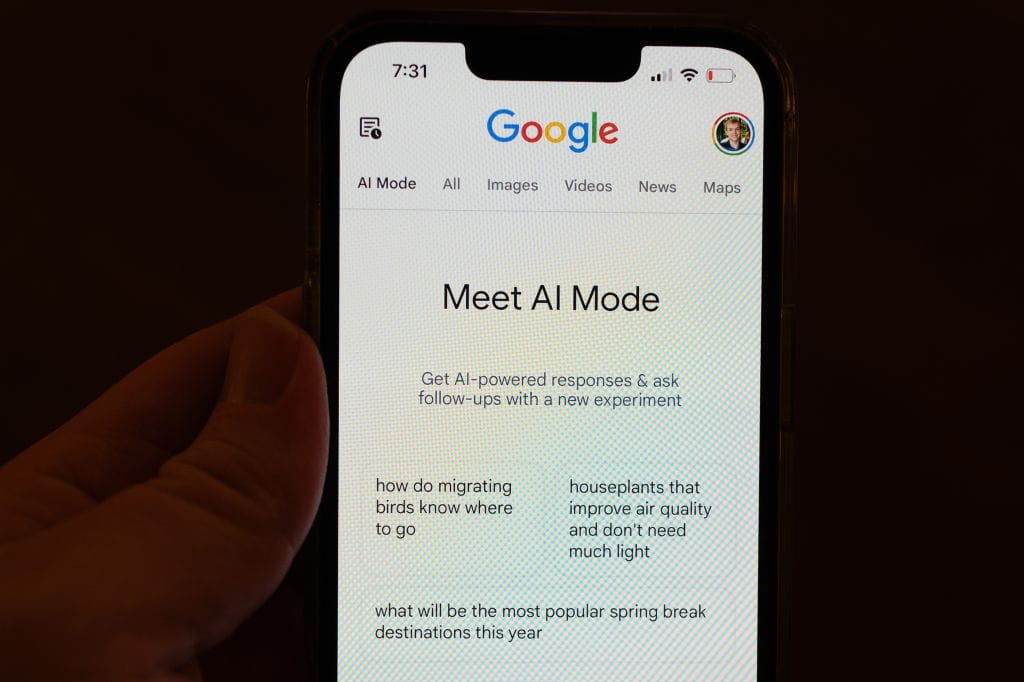
Now, AI chatbots and generative models are changing the interface again, offering conversational responses and synthesized answers. These systems can accelerate access to distilled information, but they also risk producing confident-sounding inaccuracies. Users must learn to treat machine-generated answers as starting points, not final authorities.
Privacy and control are rising concerns as platforms track queries, locations, and interaction patterns to personalize results. Personalization can be helpful, serving up relevant content faster, but it also narrows exposure to differing viewpoints and builds data profiles. That tension raises questions about who benefits from hyper-personalized search experiences.
Critical reading skills matter now more than ever because the tools that make information fast also make it easier to manipulate. Evaluating sources, checking dates, and cross-referencing claims remain essential practices in a landscape that prizes speed. Those habits help users separate durable knowledge from fleeting trends.
Developers and publishers are experimenting with verification layers, provenance tags, and clearer attribution to push back against ambiguity and bad information. Some experiments aim to combine speed with transparency, so users see not just answers but where they came from and how confident the system is. That approach could change how trust is built online without slowing the flow of information.
The next chapter will mix better on-device intelligence, clearer source signals, and interfaces that encourage scrutiny rather than passive consumption. As tools evolve, so will user expectations about accuracy, privacy, and control. That dynamic will shape how we use information well into the future.

