

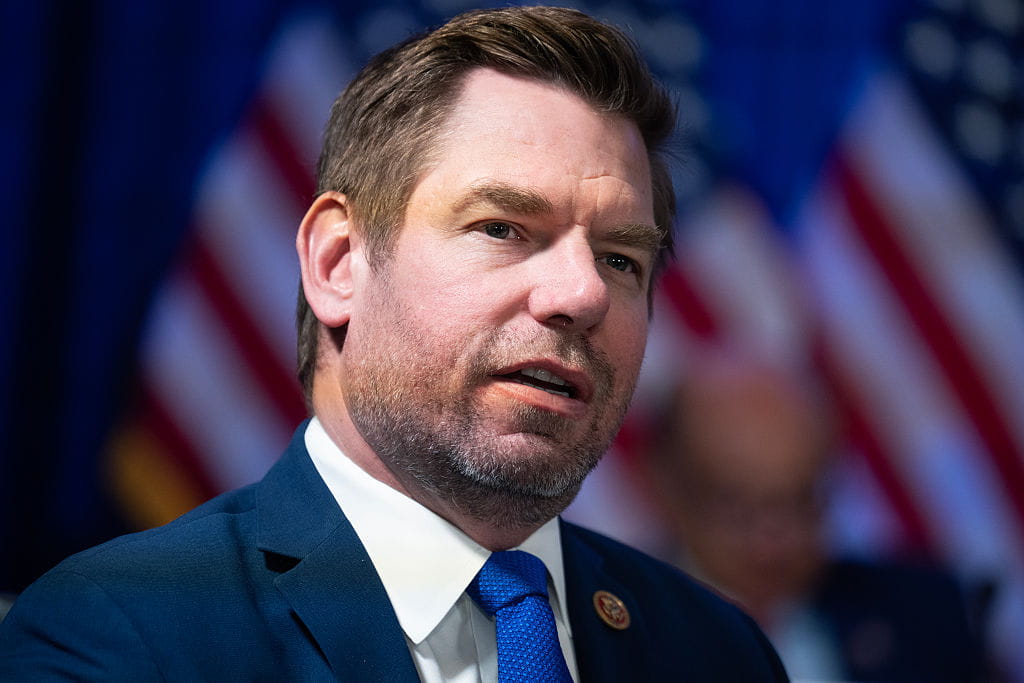
Two members of Congress from opposite parties announced their resignations within 65 minutes of each other over separate accusations from subordinates, marking an unprecedented moment in modern Capitol history.
For the first time in America’s history, two members of Congress from different parties announced their resignations within 65 minutes of each other amid separate allegations by subordinates of sexual misconduct, including assault. US Reps. Eric Swalwell (D-CA) and Tony Gonzales (R-TX) made their announcements on Monday. Both departures have been framed by observers as moves to avoid prolonged public drama and the spotlight of formal inquiries.
The timing alone raises questions about accountability and political theater inside the House of Representatives. When allegations of this nature surface, voters deserve clarity about what happened and why people in power are stepping down. From a Republican perspective, equal enforcement of standards matters more than partisan spin, and that means investigations and consequences must be evenhanded.
Swalwell’s and Gonzales’s exits highlight a broader problem: the institution has struggled to police conduct consistently across party lines. Conservatives have often argued that Washington protects insiders and treats reputations and careers differently depending on influence and ideology. That perception corrodes trust, and that distrust is exactly what these back-to-back announcements feed.
Both lawmakers are stepping away while allegations remain under scrutiny, and that choice shifts responsibility from formal investigative channels to the political calendar. When resignations happen before inquiries conclude, information that could emerge in hearings or reports may never see the light of day. The public is left with assertions, denials, and a sense that accountability has been shortchanged.
It is also worth noting how quickly both parties moved to control the narrative, which is a familiar playbook in Washington. Party leaders from both sides want to minimize collateral damage to colleagues and to their party brands, and that often leads to quiet exits rather than public reckonings. Republicans watching this pattern will push for clear rules that apply to everyone in Congress, not just when optics demand it.
There are practical consequences for districts and governance when members resign midterm under a cloud. Constituents lose representation while special elections are organized, and legislative priorities can stall as committees reshuffle and staff adapt. Beyond procedural disruption, these departures affect morale among House staffers and the public’s confidence in elected officials.
Calls for reforms routinely follow scandals, but real change has been limited and slow. From a conservative viewpoint, reforms should prioritize transparency, due process, and consistent application of rules to restore public trust. That means independent investigations with clear timelines and public reporting, so voters can see that misconduct is addressed rather than swept aside.
Finally, this episode is a reminder that character and accountability are not party issues they are American issues. The decision by two representatives to resign in rapid succession sends a blunt message about the fragility of political careers in the face of serious allegations. Lawmakers from both parties should welcome stronger, fairer systems that protect victims, respect due process, and make clear that no one is above the rules.

