

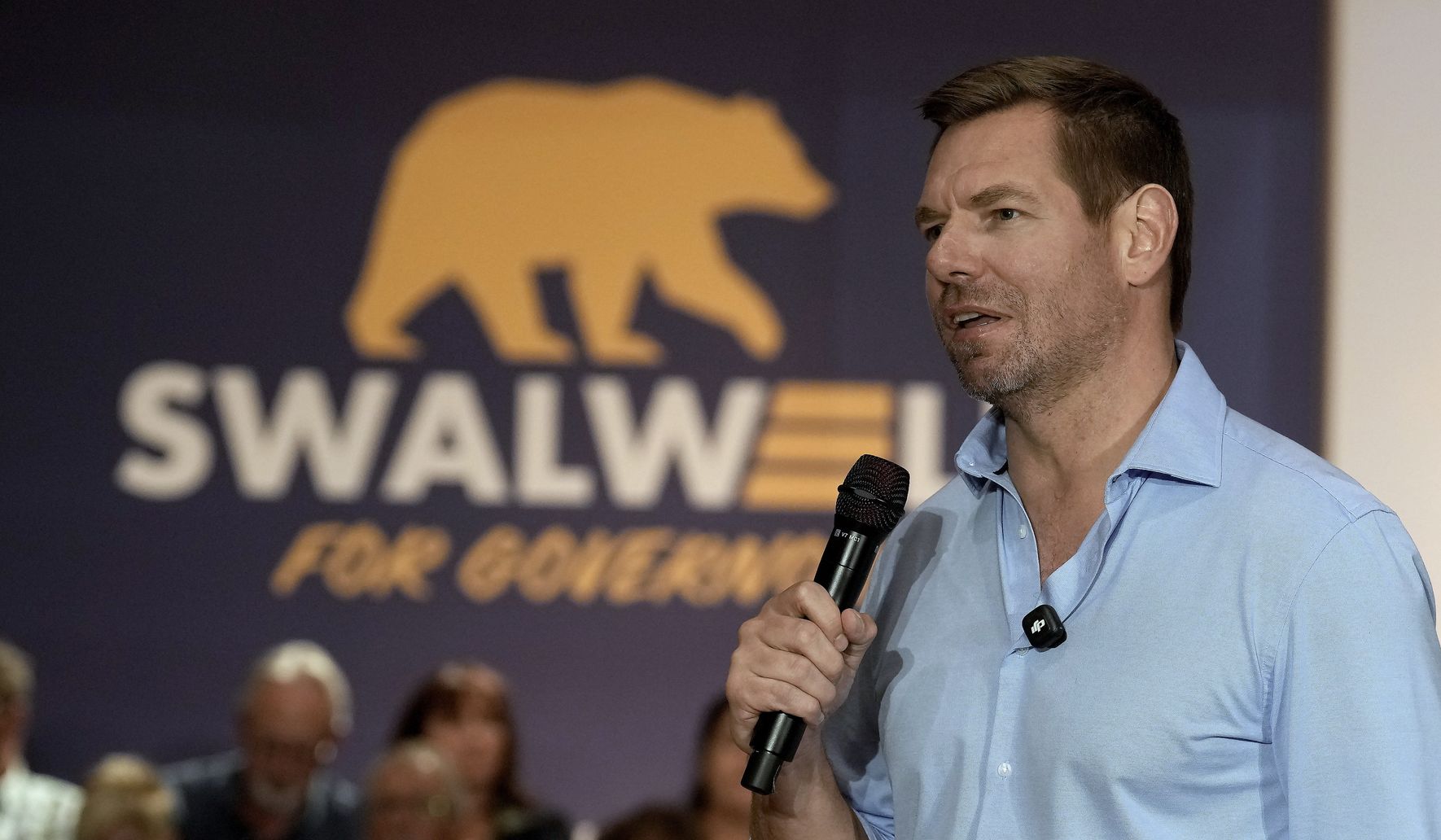
California Democrats are scrambling after Eric Swalwell’s sudden withdrawal from the governor’s primary amid sexual assault allegations, leaving a fractured field and opening questions about vetting, messaging, and political opportunity.
California Democrats woke up to a new chaos after Eric Swalwell bowed out of the governor’s primary following sexual assault allegations that shocked voters and donors alike. The abrupt exit left a gap in a once-crowded primary that now looks like it needs patching fast. Party organizers and allied campaigns are rushing to steady a race that suddenly feels unpredictable.
For Democratic operatives, the immediate task is damage control. They have to reassure donors and activists while reshuffling strategy for debates, endorsements, and voter outreach. That kind of scramble rarely looks graceful and invites questions about how candidates are vetted before jumping into high-profile contests.
Swalwell’s departure also reshapes the competitive map in ways that matter to both parties. Candidates who once focused on differentiating themselves from Swalwell now have to pivot to new rivals and new talking points. Consolidation among certain factions is likely, and that will change where campaign cash flows and which voters get courted most aggressively.
Voters are watching how the Democrats handle this moment, and many will judge the party on transparency and accountability. The swift fallout underscores a larger concern about judgment in political brands that claim moral authority. For skeptical Californians, these episodes deepen distrust and feed narratives about elite politics being out of touch with everyday standards.
Donors don’t like uncertainty, and large contributors could pause while the field stabilizes. That pause matters because money drives advertising, ground operations, and staffing at the margin. If cash dries up or moves to safer bets, lesser-known campaigns can flounder and the primary could narrow faster than anyone planned.
Republicans watching this will see an opening. A fractured Democratic field with fresh controversy creates breathing room for a well-organized opposition to make inroads. It does not mean victory is automatic, but the dynamics favor challengers who can stay disciplined, emphasize competence, and keep voters focused on governing issues rather than intra-party drama.
The exit also forces a reevaluation of messaging on both sides. Democrats must explain how they will prevent similar surprises and restore confidence in their choices, while Republicans can press the case for stability and better candidate screening. Framing matters here: voters want clear answers and tangible plans, not spin or signaling.
At the local level, the ripple effects are immediate. Endorsements shift, volunteer teams get reassigned, and counties recalibrate outreach plans ahead of mail ballots and early voting. Campaigns that adapt quickly stand to gain, especially those that can translate disruption into a focused, disciplined pitch to undecided voters.
What follows will test the resilience of California’s political class. The party that responds with clarity, accountable procedures, and a message that resonates on bread-and-butter issues will regain footing. Until then, the governor’s race remains in flux, and the fallout from Swalwell’s exit will shape tactics, alliances, and voter perceptions across the state.

