

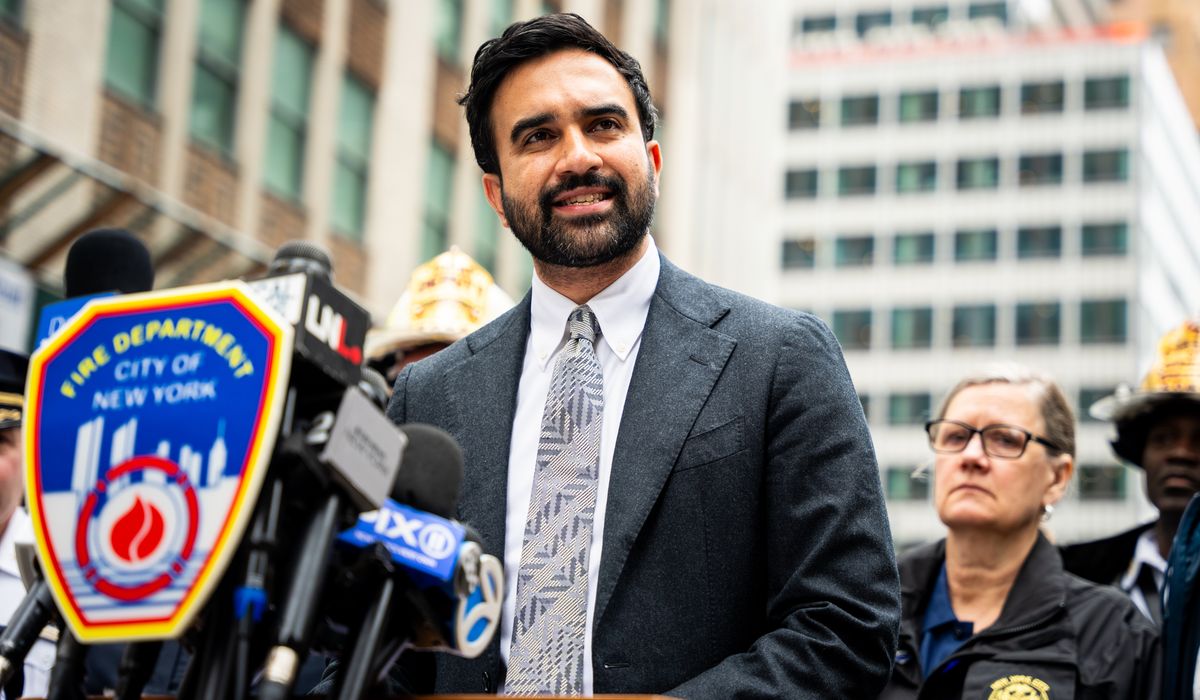
A lengthy homeless encampment stretching roughly 12 blocks along Manhattan’s West Side has become a political flashpoint, drawing sharp criticism over public safety, sanitation, and downtown commerce while forcing Mayor Zohran Mamdani into the spotlight.
The encampment’s size and visibility have made it hard to ignore for residents, workers and tourists who say the area feels unsafe and neglected. Business owners report fewer customers and higher cleanup costs, while commuters describe unpleasant and sometimes alarming scenes around transit hubs. The situation has turned local streets into a test of city leadership and priorities.
From a Republican perspective, this is a case of government failure to protect basic public order and property rights. When public spaces become occupied without effective oversight, the result is predictable: rising crime reports, sanitation problems and a decline in local commerce. Elected officials owe residents a clear plan to restore safety and dignity to the neighborhood.
Critics argue that vague promises and year-long outreach programs have not translated into measurable results on the ground. Outreach is important, but it cannot be the entire response when encampments spread block after block. Enforcement paired with humane shelter options, rapid assessments, and accountability are needed now to reverse the trend.
Local workers say deliveries are being delayed and retail workers face hostile encounters, creating a business climate that pushes companies and customers away. Tourists, who bring critical revenue, are reporting scenes that undercut Manhattan’s reputation as a safe, vibrant destination. The economic cost is not theoretical; it affects paychecks, sales taxes and the long-term viability of small businesses.
Public safety concerns include not only visible disorder but also unattended items and makeshift structures that can create fire hazards and impede emergency access. First responders need clear pathways and fewer obstacles to perform life-saving work, and residents deserve to walk home without fear. A responsible administration would prioritize those basics before rhetoric.
Shelter capacity and service coordination are legitimate problems that deserve attention, but they cannot be used as an excuse for inaction. Expanding shelter beds, streamlining intake, and partnering with faith-based and nonprofit providers would help move people indoors. At the same time, the city must make clear that occupying sidewalks and parks indefinitely is not a long-term option.
Accountability matters at City Hall. Voters want to know what metrics are being used to measure progress and what timeline is attached to any plan. If street conditions do not improve, the political cost for leaders who promised change will be real and deserved.
Practical fixes include coordinated cleanups, targeted enforcement where public safety is at risk, and fast-tracked shelter placements for those willing to accept help. Mental health and substance abuse services must be scaled up with clear referral pathways, not just promises on paper. Public-private partnerships can speed solutions and reduce the burden on municipal agencies alone.
New Yorkers need visible action that restores order while treating vulnerable people humanely, not more excuses or shifting blame. The West Side encampment has become a daily reminder that policy without results is ultimately a political liability. Residents and businesses expect decisive steps to protect neighborhoods and preserve the city’s economic engine.

