

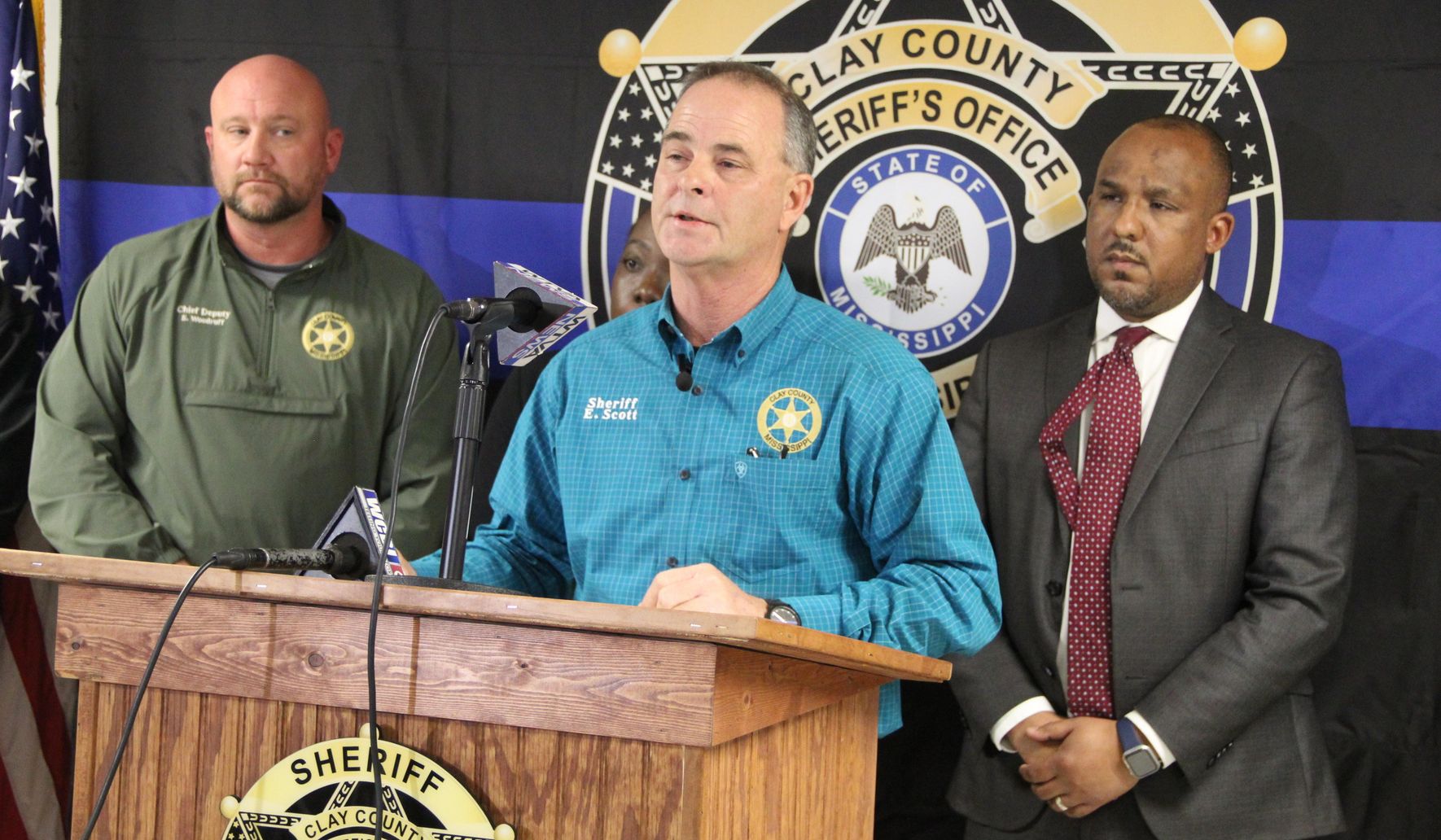
A 24-year-old Mississippi man killed six people — his father, brother, uncle, 7-year-old cousin, a church pastor and the pastor’s brother — at three locations during a Friday night rampage.
Authorities say a 24-year-old Mississippi man is tied to a violent incident that left six people dead across three separate locations on a Friday night. The victims included his father, brother, uncle, a 7-year-old cousin, a church pastor and the pastor’s brother. The scale and the family connections made this a particularly painful episode for the community.
Police arrived after multiple reports and established crime scenes at each location to preserve evidence and begin interviews. Investigators worked to piece together a timeline of events and to determine how the scenes were connected. Officials emphasized that the investigation remained active and that they were gathering facts before releasing further details.
The victims’ relationships to the suspect were immediately noted by law enforcement, underscoring how the violence touched multiple branches of the same family. Among the deceased was a young child, a 7-year-old cousin, which amplified local grief and outrage. Community members described the killings as devastating and hard to comprehend given the family ties involved.
One of the victims was a church pastor, and another victim was the pastor’s brother, making the faith community a focal point of mourning. Congregants and neighbors gathered in the days following the killings to support one another and to seek a way forward. Local leaders appealed for calm while the authorities completed their work at the scenes.
Officials said they were working through each scene methodically, collecting forensic evidence and canvassing for witnesses who might have seen what happened. Forensic teams typically look for ballistic, biological and trace evidence to establish movements and actions. That careful process can take time, and investigators cautioned against premature conclusions.
Family members and friends described a small town in shock, struggling to reconcile the faces they knew with the violence of that night. In communities where people are closely connected, a single event like this can ripple across social networks and local institutions. Grief counselors and faith leaders often step in to provide immediate support during those early, chaotic days.
Law enforcement sources declined to release certain operational details while the inquiry was ongoing, noting that public safety and preserving the integrity of the investigation were priorities. That stance is common in active criminal matters where evidence and witness statements are still being collected. Officials did promise more information would be provided as they could responsibly disclose it.
Public records and routine checks often follow incidents like this to establish background information, ownership of any weapons involved and recent contacts or complaints. Those checks are part of broader investigative steps that can inform charging decisions and court filings later on. Prosecutors typically receive investigative packages once police have completed the immediate work at the scenes.
Residents described increased police presence in the aftermath as officers secured areas and conducted follow-up interviews. Patrols and visible law enforcement can offer some reassurance even as neighbors process what happened. Community leaders urged anyone with information to come forward to help fill in details of the night.
Local officials also face the task of addressing the needs of those directly affected by the deaths, including surviving relatives, friends and congregants. Services such as death notifications, victim-witness assistance and mental health referrals are standard parts of the response. Nonprofits and religious groups often coordinate to provide meal trains, memorials and other practical support.
The loss of a pastor and his brother resonated beyond the immediate family, touching congregations and faith-based organizations that rely on spiritual leadership. Churches frequently become centers for memorial gatherings and community healing after such tragedies. Leaders in those spaces typically focus on offering comfort while navigating legal and practical next steps.
As the investigation continued, officials reiterated the importance of letting trained professionals handle evidence collection and witness interviews. Premature speculation can hinder an active inquiry and complicate later legal proceedings. Patience, coupled with persistent investigative work, helps ensure a clearer picture emerges over time.
Neighbors reported being stunned by the violence and expressed concern for the broader implications for safety and wellbeing in their town. Conversations about community resources, mental health support and preventive measures often follow high-profile incidents. Those conversations can be difficult but are part of how communities try to rebuild after loss.
In the days that followed the killings, the focus remained on supporting grieving families, completing the investigation and ensuring that the legal process could proceed based on solid evidence. Criminal investigations into multi-location incidents demand careful coordination among local law enforcement, forensic teams and prosecutors. Officials pledged to continue updating the public as more verified information became available.

