

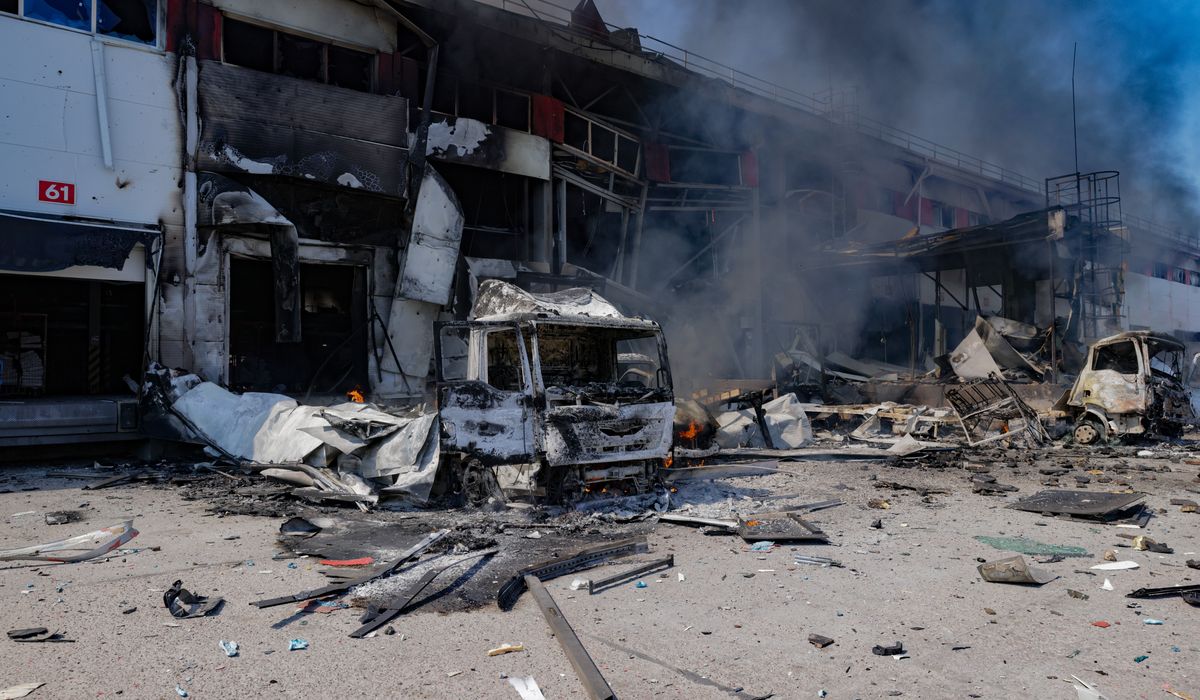
Russian planes dropped eight powerful glide bombs in a span of 90 minutes on residential districts of the southern Ukrainian city of Zaporizhzhia, killing one person and wounding dozens of others.
The attack on Zaporizhzhia was brutal and calculated, striking homes and neighborhoods where civilians live. Eight glide bombs in 90 minutes is not random; it is designed to terrorize and inflict maximum civilian harm. Local emergency services were overwhelmed by damage and casualties, and pictures from the scene showed mangled buildings and frantic rescue efforts.
This kind of strike makes clear that the Kremlin continues to use long-range precision munitions to hit population centers. Glide bombs can be guided and released from stand-off range, allowing attackers to strike with grim efficiency while avoiding close engagement. The result is predictable: civilian deaths, injured families, and infrastructure torn apart.
From a Republican perspective, this assault underlines the strategic stakes for the United States and its allies. Weakness or hesitation signals permissiveness that emboldens Moscow to escalate. A clear, robust response—diplomatic, economic, and military support for Ukraine—is the best way to deter further attacks on civilians and to uphold international norms.
Sanctions that bite, targeted economic pressure, and denial of the tools that enable such strikes should be central to policy. At the same time, practical military aid and air defense systems must be prioritized to protect Ukrainian cities. The aim is not to provoke a broader war, but to increase the costs of aggression and reduce Russia’s ability to strike civilian areas with impunity.
On the ground, Ukrainians face the human consequences every hour: families displaced, hospitals treating blast injuries, and critical services interrupted. Humanitarian relief needs to flow without political gamesmanship so that emergency medicine, shelter, and food reach those in need. Support for civil defense and local rescue teams also pays immediate dividends by saving lives and stabilizing communities.
The strategic picture extends beyond a single city. Zaporizhzhia is in the south and sits near key supply routes and industrial centers, making it a recurring target. If Moscow can regularly pound southern Ukrainian population centers, it shifts the balance by degrading morale and infrastructure. That makes a strong defensive posture essential for long-term stability in the region.
Ukrainian forces have shown resilience and skill, but equipment shortages and gaps in air defense remain a critical vulnerability. Supplying modern interceptors, radars, and munitions, along with training to use them effectively, will blunt future strikes. The goal is simple: prevent glide bombs and other precision weapons from reaching civilian neighborhoods in the first place.
Diplomacy should run in parallel with deterrence. Coordinated international pressure, expulsions of propaganda channels, and legal work to document war crimes all matter. Democracies that stand together not only impose costs on offenders, they also provide a moral and political counterweight to authoritarian violence.
Domestic preparedness inside the United States matters as well, because strategic clarity translates into political will. Lawmakers who refuse to back decisive measures against repeated attacks on civilians will find themselves on the wrong side of history. A vigilant, united policy—backed by funding, strong alliances, and clear messaging—gives Ukraine the best chance to defend its people and push back against future aggression.

