

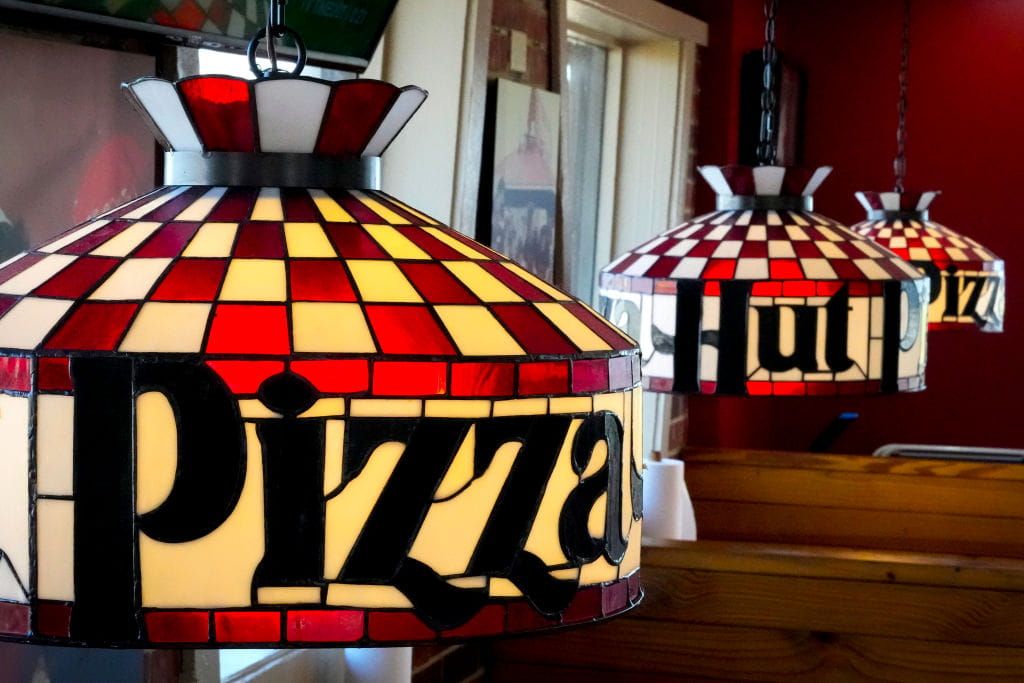
Pizza Hut is leaning into 1990s nostalgia with a revival that mixes vintage design, menu throwbacks, and pop culture callbacks to nudge lapsed customers back through the door.
There’s a comfortable logic to bringing a decade back to life through pizza: food is memory-rich and easy to package. This revival taps into familiar sights and tastes from the ’90s, aiming for warm recognition rather than radical reinvention. The question that keeps getting tossed around is simple and evocative: “What about bringing back Blockbuster?”
The practical moves are low-tech and loud: think old-school booth seating, bright red signage, and menu items that read like a mixtape of comfort hits. Pan pizzas, stuffed crust experiments, and limited-run flavors are all ways to recreate the sensory shorthand of a past decade. Design cues that once made Pizza Hut instantly recognizable are back on the table, and they’re meant to perform in photos as much as on the plate.
Marketing for this kind of revival isn’t subtle. Retro packaging, throwback logos, and merch drops create collectible value while limited-time offers create urgency. Cross-promotions and nostalgic tie-ins turn each purchase into a small ritual, and the goal is to make sharing the experience feel inevitable. Social feeds fill with side-by-side comparisons, and that organic buzz becomes a low-cost amplifier for the campaign.
There’s also a clear business argument behind the sentiment: nostalgia sells, and strategic revival can convert curiosity into quick traffic. Short-term menu experiments let the brand test what really resonates without overhauling the core business. If a throwback pizza or a retro interior plan drives higher check averages and repeat visits, the investment looks smart rather than sentimental. It’s less about pretending the past was perfect and more about using familiar cues to lower the barrier for trial.
Consumers react differently depending on age and habits, which means the revival has to work on multiple levels at once. For people who remember the ’90s clearly, the design and menu are a warm reboot of a known favorite. For younger customers, the retro styling reads as novelty and theater — an experience worth trying. That split can be an advantage: nostalgia hooks attention while experiential design drives in-person sales.
Bringing back icons and aesthetics also opens the door to cultural partnerships that broaden the appeal beyond pizza purists. Film nights, vintage soundtrack playlists, and themed promotions offer ways to extend the revival into events and media. There’s even a place for visual callbacks and editorial content that connects the brand to a broader conversation about what people miss and what they want to revive.
Not every element needs to be literal; reinterpretation often works better than imitation. A modern kitchen can execute an old classic with higher consistency, and smart ops mean the retro menu doesn’t have to be operationally disruptive. The trick is to deliver an authentic-feeling product in a contemporary framework so that the nostalgia doesn’t feel gimmicky but instead feels like a deliberately curated moment.
At the same time, there’s a risk of relying too heavily on sentiment without offering contemporary value. Promotions and design can bring people in once, but long-term growth requires more: menu innovation, clean execution, and a brand voice that can move between fond memory and today’s expectations. If the revival becomes an ongoing lane, it needs clear signals of quality and relevance beyond the throwback visuals.
Media coverage and video commentary have already started to frame the story, and platforms like Liberty Nation TV are part of that ecosystem of conversation. Visual storytelling helps translate nostalgia into reasons to visit, and it’s where aesthetics meet talkable moments. The campaign’s success will show whether retro branding can be a lasting lever or simply a fleeting boost.
There’s something satisfying about brands mining their past without getting stuck there, and this Pizza Hut revival is a case study in balancing affection with appetite. The approach leans on familiar triggers, but its fate will depend on whether the experience tastes as good as it looks and whether the memories it summons turn into regular foot traffic. (Brett Coomer/Houston Chronicle via Getty Images)

