

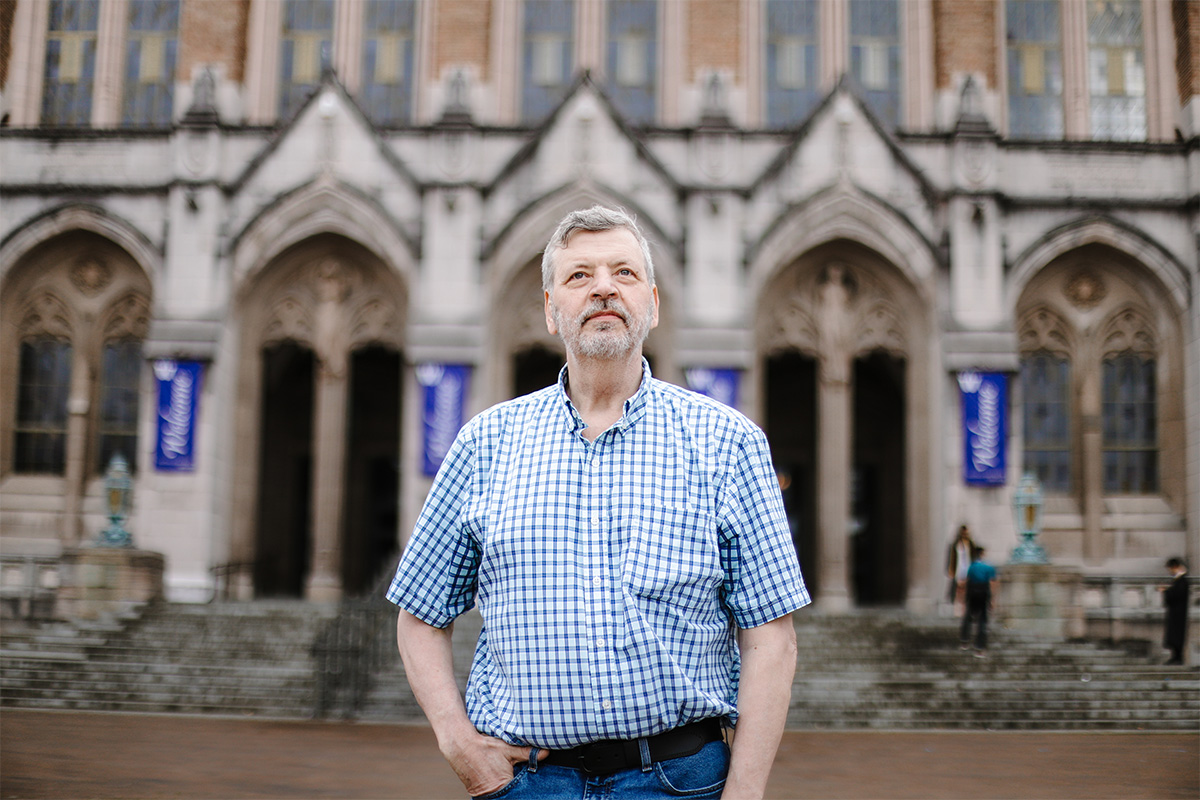
The appeals court reversed a lower ruling and said the University of Washington could not discipline a professor for mocking the campus practice of land acknowledgments, finding the punishment violated free-speech protections.
The U.S. Court of Appeals for the 9th Circuit ruled Friday that the University of Washington is not allowed to punish a professor for making fun of the “land acknowledgments” they tried to force on their staff. The win at the circuit level comes after the district court sided with the school. “A public university […]
The professor had satirized the ritual of reading land acknowledgments, which many institutions now use to recognize indigenous territories before events. At issue was whether a public university can discipline a faculty member for ridicule aimed at an institutional practice. The appeals court answered that a public institution cannot punish speech that falls within protected First Amendment bounds, especially when the speech is not part of official duties.
The decision rested on familiar constitutional principles: public employees and professors retain free-speech rights when speaking on matters of public concern outside their official duties. The court emphasized that universities, as government actors, cannot target speakers simply because administrators dislike the message. That legal protection is what flipped the case on appeal and overturned the district court ruling that had favored the university.
The ruling highlights the tension between institutional policies and individual expression on campuses. Land acknowledgments have become widespread, and some universities treat participation as part of cultural sensitivity or training. But the appeals court treated compulsion and retaliation differently, drawing a line between voluntary institutional practice and punishments aimed at expression that critiques or mocks campus norms.
From a conservative perspective, this is a clear defense of academic freedom and free speech over coercive campus rituals. Public universities must not blur the line between encouraged habits and mandatory ideology. When administrators move to sanction dissenting voices, the courts will step in to protect faculty members who speak outside their official job duties on matters that the public cares about.
The case will matter beyond the parties involved because it reaffirms that public institutions cannot weaponize employment rules to silence criticism. Faculty who raise objections, make jokes, or engage in satire about campus practices have legal protections so long as their speech is not part of job performance and does not disrupt essential functions. Expect faculty-rights advocates to point to this ruling when opposing policies that demand ideological conformity.
The university now faces practical choices: it must align its policies with the court’s interpretation or risk further litigation. Administrators who want participation in cultural rituals can encourage and educate, but they cannot discipline dissenters for public commentary. That constraint pushes colleges and universities to rely on persuasion and training rather than penalties when they seek broader buy-in for symbolic practices.
This ruling also sets the stage for additional battles over campus speech and compelled rituals, and it reminds public institutions of the constitutional limits on administrative authority. The appeals court opinion strengthens the position of those who argue that universities should be marketplaces of ideas, not places that require ideological conformity through employment sanctions. The decision will likely resonate wherever public colleges try to turn cultural observances into mandatory compliance.

