

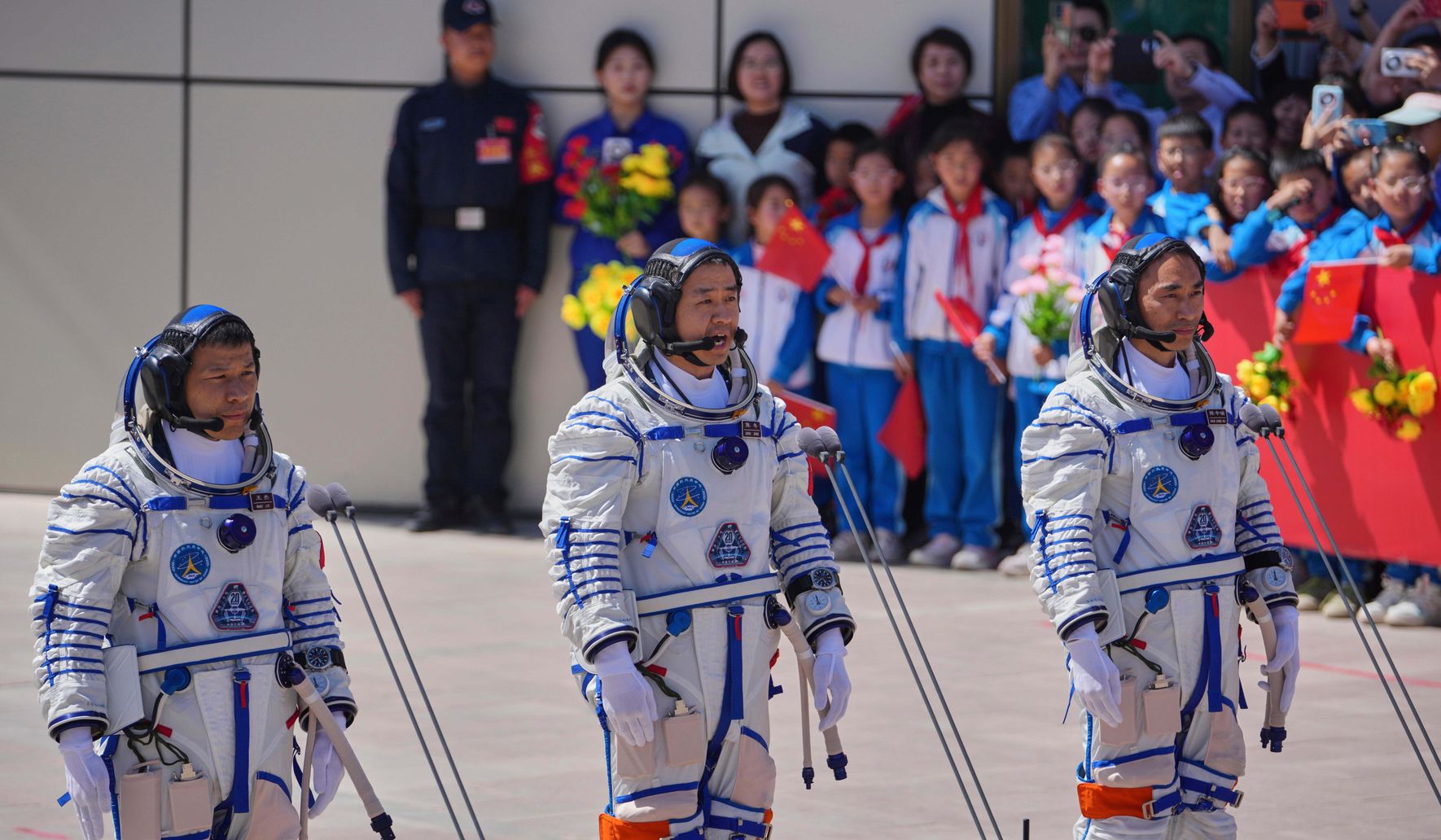
The stranded crew of a Chinese space mission has been reported in stable condition by official sources.
The Chinese space mission that became stranded has drawn attention, and officials have offered a brief, direct update to calm immediate concerns. “In good condition, working and living normally,” China’s Manned Space Engineering Agency said Tuesday, using the exact words that will carry through ongoing briefings. That terse confirmation is the foundation for how authorities and analysts are framing the current situation.
Ground teams are said to have maintained regular telemetry and communications with the crew, which helps explain why the statement emphasized steady living and working conditions. While the phrase itself is short, it signals that life support, power, and routine operations remain functional for now. For families, engineers, and observers, that single line is a focal point for trust in procedures and equipment.
Spaceflight agencies plan for contingencies, and the response pattern here looks standard: monitor, assess, and communicate at measured intervals. The agency’s public line helps prevent speculation while buying time for mission control to run diagnostics and plan any needed maneuvers. That same restraint in messaging also limits what outside analysts can reliably assert about the root cause or the timeline for resolution.
Onboard routines in such missions typically include maintenance checks, experiment management, and daily life tasks that keep the crew occupied and systems exercised. Maintaining normal work and living patterns is good for both hardware testing and crew mental health, which is likely why the statement underscored those elements. Keeping a routine reduces unnecessary risk and preserves options for controllers back on Earth.
Engineers on the ground would be parsing telemetry for subtle signs: thermal margins, attitude control authority, consumables rates, and communication link quality. Those parameters tell the story of whether a stranded status is temporary and fixable or if it will require more complex intervention. Public officials prefer to wait for a clearer engineering picture before sharing technical specifics.
International observers and domestic analysts will watch for follow-up updates, official or technical, as a way to judge how the mission is proceeding and how transparent the program will be. In past incidents, staged briefings and periodic data releases keep stakeholders informed without overwhelming the public with raw telemetry. For now, the central fact is the crew’s condition and the agency’s assertion that day-to-day life aboard the spacecraft remains unchanged.
Risk management in crewed spaceflight leans heavily on redundancy and tested procedures, and those principles are why crews can often remain safe even when a mission deviates from plan. Ground teams can execute contingency scenarios remotely if systems allow, and the crew can perform onboard troubleshooting steps if the timeline requires it. Those layered defenses are the practical reason officials can make confident, concise statements about crew condition.
Expect the next phase to involve targeted technical updates and possibly imagery or data that clarify the situation without revealing sensitive operational details. Officials will likely balance public appetite for information with the need to avoid premature conclusions about causes or fixes. Meanwhile, the most important piece remains the same: the crew has been reported as “in good condition, working and living normally,” and that status will shape how the story unfolds in the hours and days ahead.

