

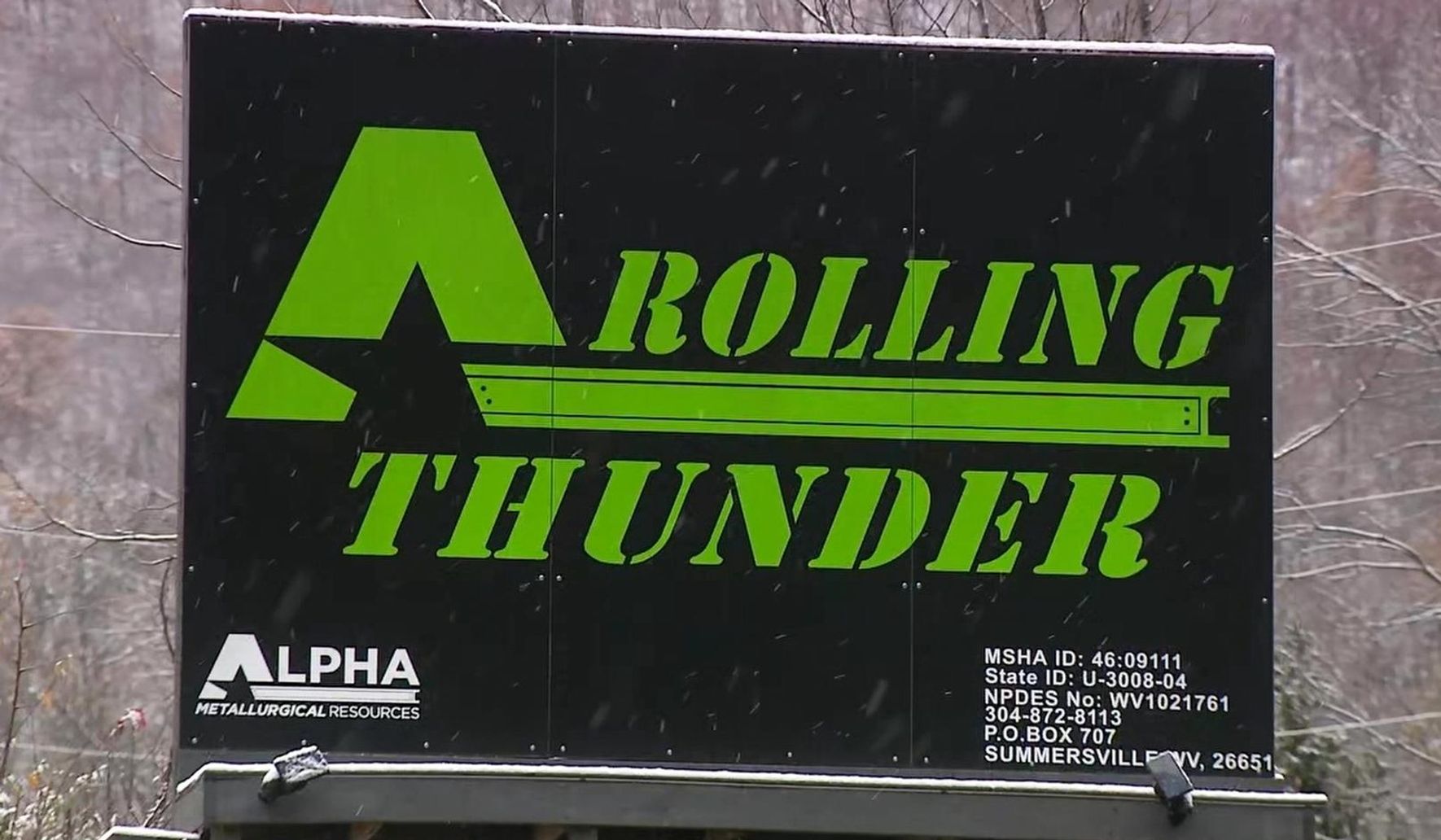
Rescue teams worked around the clock in a prolonged effort to find a miner after a sudden inundation left him isolated underground, prompting an ongoing multi-day response and careful planning to manage extreme flooding and safety risks.
Crews desperately continued removing massive amounts of water in an effort to locate a trapped worker inside a flooded coal mine in West Virginia as the work entered a fifth day Wednesday. Teams rotated shifts to keep pumps running and to monitor changing conditions inside and around the mine. Local and regional responders focused on stabilizing the site before any direct recovery attempt could be made.
Initially, the response centered on establishing a clear picture of the mine’s interior through maps, air samples and surface readings to judge how stable the workings remained. Engineers evaluated the most effective pumping strategy while crews organized equipment staging and logistics at the portal. Safety coordinators emphasized that rushing into the shaft would increase risk for both the trapped worker and the rescue teams.
Pumping massive volumes of water required high-capacity units and redundant power sources to keep them operating under continuous load. Operators adjusted flow rates based on shifting water levels and debris that threatened to clog intakes, and divers were on standby where access allowed. The work often slowed when pumps needed inspection or when weather or terrain hindered repositioning heavy gear.
Rescuers also focused on life-support contingencies for the trapped miner, considering air supply, potential pockets of breathable atmosphere and paths to deliver supplies if direct physical contact was not yet possible. Surface teams prepared to rig temporary ventilation and make narrow bore communications attempts through remote drilling if conditions permitted. Every intervention was weighed against the danger of further destabilizing the flooded workings.
Community members watched anxiously as the operation extended into a multi-day effort, and local officials coordinated accommodations, food and family liaison services near the incident site. Conversations with residents stressed patience and hope, while emergency managers provided regular updates on progress and safety considerations. The prolonged response tested local resources and highlighted the need for careful incident command and mutual aid.
Officials documented each step to maintain an accurate record for later review, both for understanding what happened and for improving future responses. Data from pumps, water chemistry analyses and atmospheric monitors were logged to track trends and to guide decisions about when it might be safe to attempt entry. That documentation also plays a role in any subsequent regulatory or investigative work.
Technical teams consulted mine rescue experts, electrical specialists and structural assessors to determine the safest sequence for recovery operations. Alternative access routes were explored, including remote inspection cameras and small-diameter boreholes, to locate the miner while minimizing the need to send personnel into unstable areas. Each proposed method required trade-offs between speed, visibility and safety.
Weather conditions and surface topography continued to affect the pace and tactics of the operation, complicating deployment of heavy pumps and the routing of hoses and power lines. Maintenance crews worked overnight to clear debris and to shore up gear against rain and runoff. Rescue leaders said environmental and logistical obstacles could extend timelines, so planning accounted for extended operations.
Throughout the effort, officials emphasized transparency on what was known, what remained unclear and what steps were being taken to reduce risk. The focus remained on sustaining a safe, methodical search while protecting both the trapped worker and the responders engaged in the work. Families and neighbors stayed close to the command area, awaiting further developments as crews continued their careful and persistent effort.

