

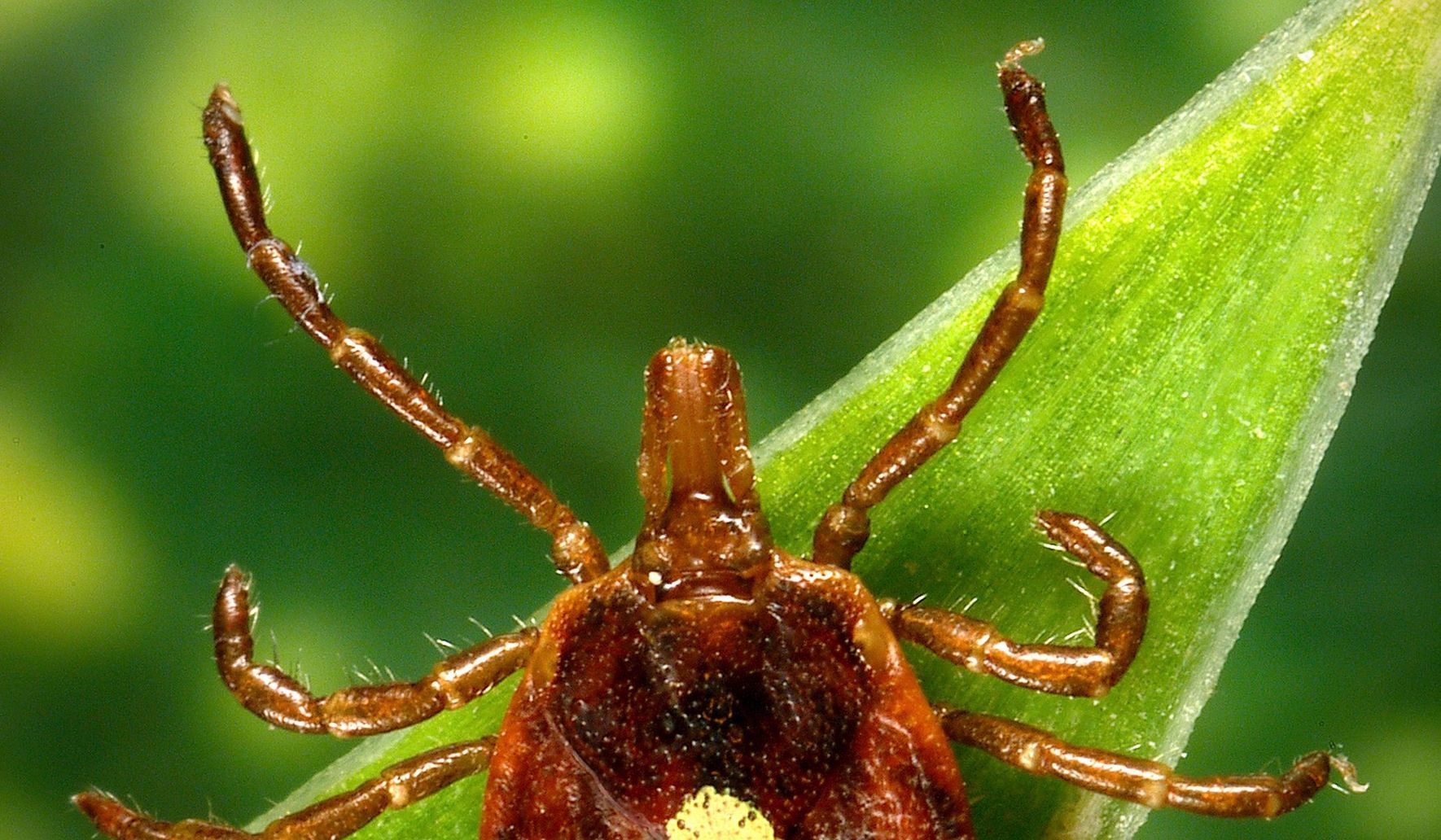
A recent medical case ties a sudden, fatal reaction to a red meat sensitivity triggered by tick bites, bringing fresh attention to a little-known immune condition.
The death of a 47-year-old New Jersey man last year is now thought to be the first to stem from an “allergy” to red meat caused by bites from ticks. Clinicians investigating the case found that the man developed a delayed, severe allergic response after eating mammalian meat following tick exposure. That connection has pushed this condition into the spotlight for both doctors and the public.
That red meat sensitivity is caused by antibodies to a sugar molecule called alpha-gal, which some ticks can transmit. The immune system, once sensitized, can react hours after eating beef, pork, or lamb, producing anything from hives to full-blown anaphylaxis. Because symptoms are delayed and can mimic other conditions, diagnosis is often missed or delayed.
Doctors say recognizing the pattern is critical, because the delay between ingestion and reaction can confuse patients and emergency staff. Patients may not link a late-night collapse or sudden low blood pressure back to a midday hamburger. Labs can test for alpha-gal antibodies, but clinicians must suspect the syndrome before ordering the right tests.
In the New Jersey case, investigators reconstructed the timeline and discovered the man had reported tick bites in the weeks before his fatal episode. His clinical progression matched severe allergic shock, not a classic cardiac or infectious cause. That retrospective diagnosis raises questions about how many milder cases go unrecognized.
Health professionals warn that the condition is underdiagnosed because it crosses disciplines: infectious disease, allergy, emergency medicine, and primary care all encounter elements of the problem. Education at the clinician level is still catching up with emerging evidence linking tick exposure to alpha-gal sensitization. Public health messaging traditionally focuses on Lyme disease, but there is a broader suite of tick-related risks to understand.
Management after diagnosis is straightforward in concept: avoid mammalian meat and carry emergency medication for severe reactions. Patients advised to stop eating beef, pork, and lamb often see marked improvement in symptoms and reduced antibody levels over time. Still, behavior change can be difficult when the trigger is a common food staple.
For emergency responders, awareness that anaphylaxis can present hours after eating is vital to life-saving care. Treatment protocols remain the same: early epinephrine, airway management, and intensive monitoring. But recognizing the alpha-gal link can inform longer-term prevention and specialist follow-up.
Researchers are still piecing together which tick species and which geographic patterns most strongly correlate with sensitization. Reports have clustered in parts of the United States where certain ticks are common, but travel and changing ecosystems complicate the map. Ongoing surveillance and targeted studies are needed to map risk more precisely.
Patients with suspected alpha-gal are encouraged to work with allergists experienced in the syndrome to confirm diagnosis and develop a practical diet plan. Some find they tolerate dairy or gelatin, while others must be stricter about any mammalian-derived ingredients. Personalized guidance helps avoid unnecessary dietary restriction while reducing risk.
On the prevention side, classic tick-avoidance steps still apply: protective clothing, repellents, and careful skin checks after outdoor activity. Prompt removal of attached ticks may reduce the chance of transmission of various pathogens and could potentially lower sensitization risk. Public awareness campaigns should broaden their focus beyond a single tick-borne disease.
Laboratory tools are improving, and more clinicians now have access to alpha-gal antibody testing than a few years ago. Still, false negatives and variable antibody levels mean tests are only part of a clinical picture. A careful history of tick exposure and timing of reactions remains central to accurate diagnosis.
The New Jersey fatality acts as a sobering reminder that allergic responses can be lethal when not recognized and treated promptly. Medical teams, patients, and public health officials each have roles to play in improving detection and prevention. As awareness grows, the hope is that similar tragedies will become far less likely.
Ongoing research aims to clarify how long antibodies persist and whether repeated tick bites amplify risk, which could inform both individual advice and community prevention strategies. Until the science is settled, practical steps—awareness, testing when indicated, and avoidance of known triggers—offer the clearest path to reducing harm. Clinicians are encouraged to include alpha-gal in differential diagnoses when symptoms align with its delayed pattern.
Beyond clinical care, this story highlights how a small environmental exposure can trigger a complex immune response with wide implications. Recognizing and responding to those links quickly can save lives and spare patients long-term disability. The evolving picture of tick-related illness deserves attention from anyone who spends time outdoors or treats people hurt by unexplained allergic reactions.

