

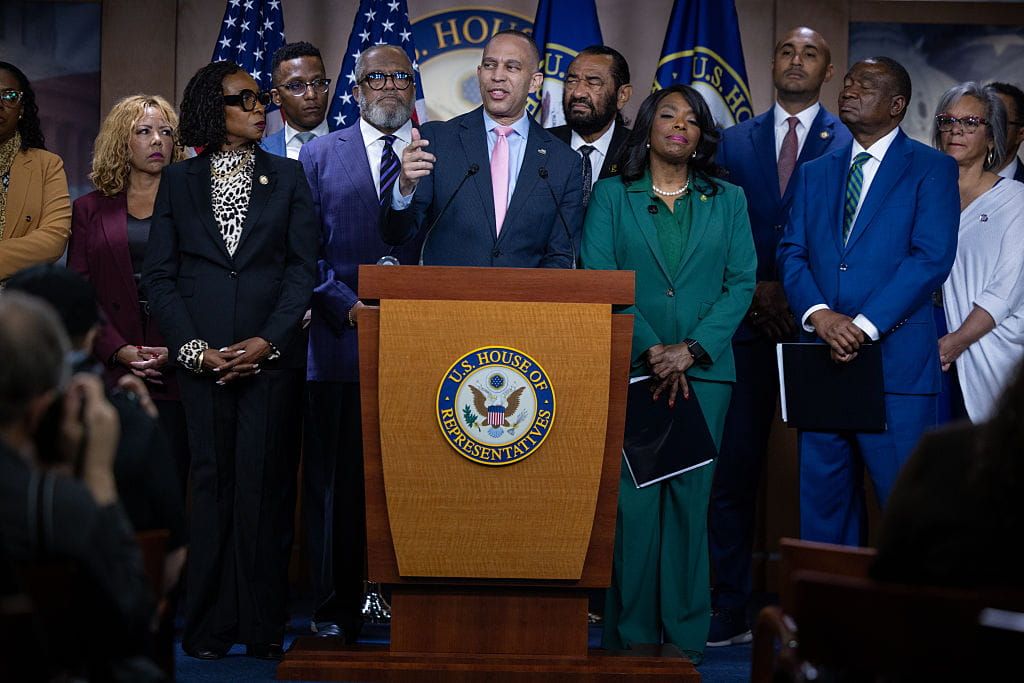
Winning control of the House can look like a political victory, but it brings its own risks: intense investigations, headline-grabbing fights, budget battles, and the chance of alienating voters who are tired of Washington’s constant drama.
Controlling the congressional agenda may actually boomerang on the Trump-deranged left. When one party holds the gavel, it also inherits the full attention of voters, the media, and opposition lawyers who are happy to amplify every misstep. A narrow majority magnifies that risk, turning ordinary oversight into a high-stakes spectacle that can backfire politically.
On May 2, 2026 the political math is brittle and public patience is shorter than headlines suggest. If Democrats take or keep the House with slim margins, they will face pressure to act aggressively — launching probes, pushing sweeping policy changes, and using committee power to shape narratives. That kind of nonstop combat can wear down even sympathetic voters and feed a Republican message about chaos and overreach.
Heading into an election cycle, the temptation to pursue dramatic investigations is strong, but the results are unpredictable. Aggressive oversight can expose real problems, yet it can also appear vindictive when it focuses on rivals or repeats old controversies without new evidence. In the eyes of many voters, persistent Washington fights look like partisan theater rather than responsible governance.
Budget battles are another trap. Holding the House means a party must face appropriations, spending fights, and the reality of trade-offs. Pursuing a big spending agenda or trying to cut every popular program invites backlash; making tough but unpopular choices risks alienating core constituencies who expect practical results instead of pure symbolism.
On issues like immigration, energy, and the economy, control creates ownership — and ownership brings accountability. Voters notice when outcomes don’t match promises, and they blame the party in charge first. For Democrats, that means any perceived failure to improve daily life on border pressure, rising costs, or local economic worries will stick harder than in opposition.
There is also the judicial and enforcement angle to consider. Control of the House amplifies subpoena power and the ability to demand documents, which can be useful when there are clear malfeasances. But weaponizing oversight risks public fatigue and can provoke legal fights that bog down governance for years, with courts deciding the shape of investigations instead of lawmakers delivering solutions.
Messaging matters as much as motions and subpoenas. When a party looks consumed by internal vendettas or endless hearings, swing voters tune out. Republicans can capitalize on that weariness by framing Democrats as out of step with everyday priorities and focused on Washington drama instead of pocketbook issues or public safety.
The practical choice for any majority is to balance accountability with discipline and to pick fights that advance clear, popular goals. Winning the House gives power, but it also hands over the scoreboard; every policy and every probe will be tallied by voters. That means political success depends less on headline acts and more on steady, results-oriented governance that voters can feel where it matters.

