

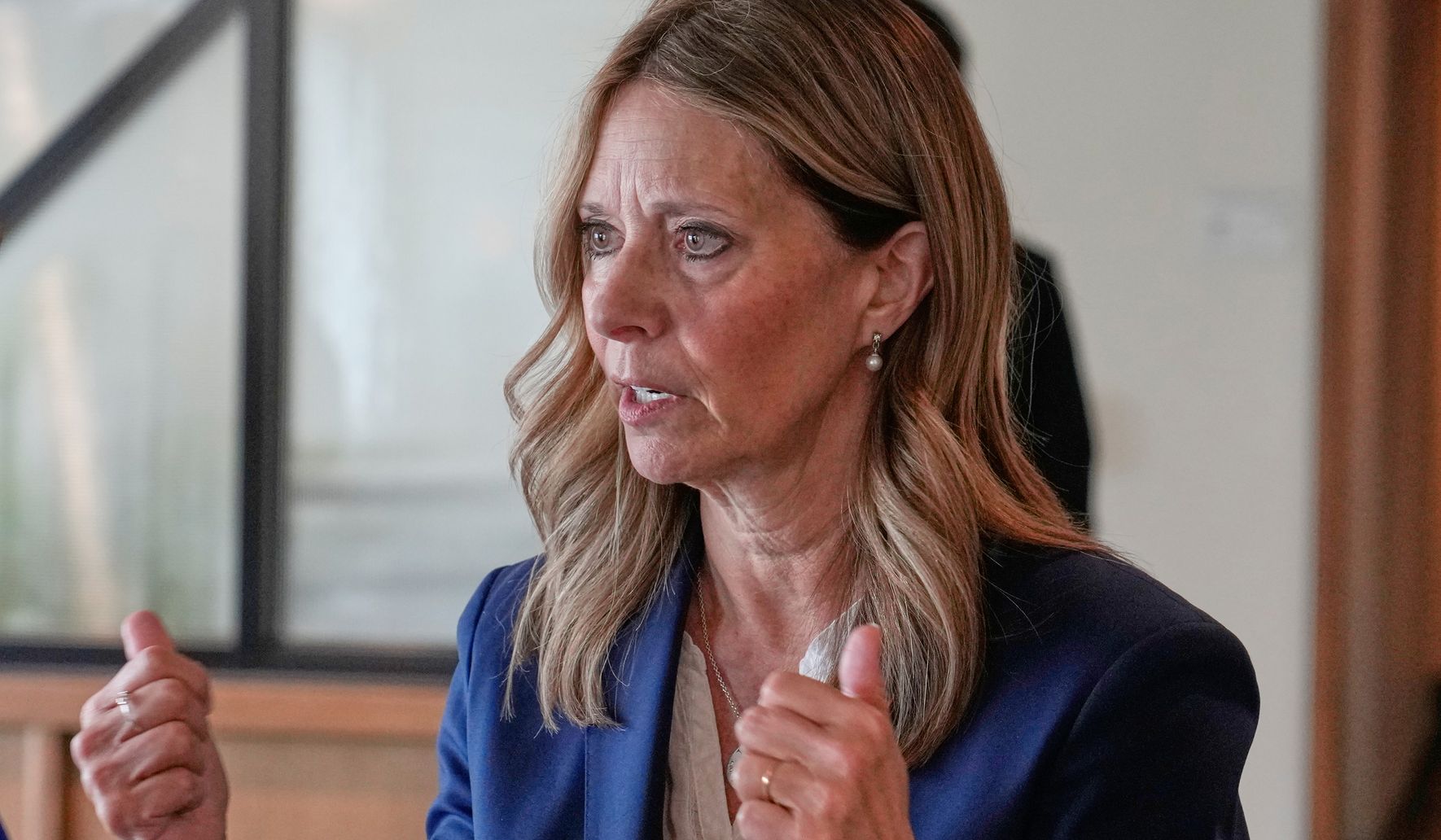
Dr. Amy Acton, a Democrat running unopposed in her party’s primary for Ohio governor, is heading into a general election where her record and political liabilities will shape a tough contest.
Dr. Amy Acton is already clear at one thing: she has the Democratic nod without a primary challenger, which gives her time to focus on the bigger fight ahead. As a former state health director, she carries a well-known public profile that will be both an asset with some voters and a target for opponents. Being unopposed inside her party removes immediate intraparty pressure but does not erase questions Republicans plan to raise about her public decisions.
Her tenure in state government during a crisis is central to the conversation voters will have, and Republicans will frame that tenure as a series of policy choices with real consequences. Many voters still remember school closures, business restrictions, and mandates from that period, and those memories are politically potent in swing and rural areas. Campaign debates will likely revisit those policies in sharp, straightforward terms rather than polite hedging.
Ohio’s political map is not friendly terrain for a candidate who national Democrats hope will flip a governor’s seat, because the state has leaned conservative in recent statewide contests. Republican strategists will focus on local issues and the cost of policies they associate with pandemic-era interventions, and they will emphasize economic worries and individual liberty. That strategy plays to the base and to undecided voters concerned about government overreach and economic recovery.
Fundraising dynamics matter here; an uncontested primary can preserve campaign cash, but it also can mask a lack of fresh donor enthusiasm if the candidate fails to broaden appeal beyond the core. Acton will need to convert name recognition into sustained financial backing from both inside and outside Ohio to compete on the airwaves and in key media markets. Meanwhile, Republican opponents will use targeted messaging to force her to spend early and defend past choices rather than set the agenda for the race.
Message discipline will be crucial on both sides, but Republicans tend to benefit when the story is framed around tangible outcomes: jobs, taxes, school performance, and public safety. Casting the campaign as a choice about post-crisis priorities gives Republican nominees a clear lane to run in, especially in working-class suburbs and small towns where voters weigh practical impacts over ideological purity. Acton’s team can try to redirect the conversation toward health care access and community resilience, but those themes must overcome a deeply skeptical electorate on pandemic policy.
Voter turnout patterns will be another deciding factor, with GOP-leaning regions often setting the margin for statewide winners in Ohio. Republicans will push to maximize turnout in counties where conservative gains have been steady, while also appealing to moderate voters uneasy with a return to broad government mandates. Acton will need to craft messages that reassure those moderates while still firing up the Democratic base, a balance that has tripped up many candidates in high-stakes contests.
Beyond messaging, ground organization and county-level operation will determine whether the race stays competitive or tilts decisively to one side, and Republicans typically invest heavily in local infrastructure that drives consistent turnout. Expect the general election to be fought on familiar lines: past policy decisions, localized economic concerns, and straightforward appeals to voter priorities rather than abstract arguments. Those are the conditions under which the campaign will unfold, with Acton facing a challenge that looks very different from the uncontested primary she just walked through.

