

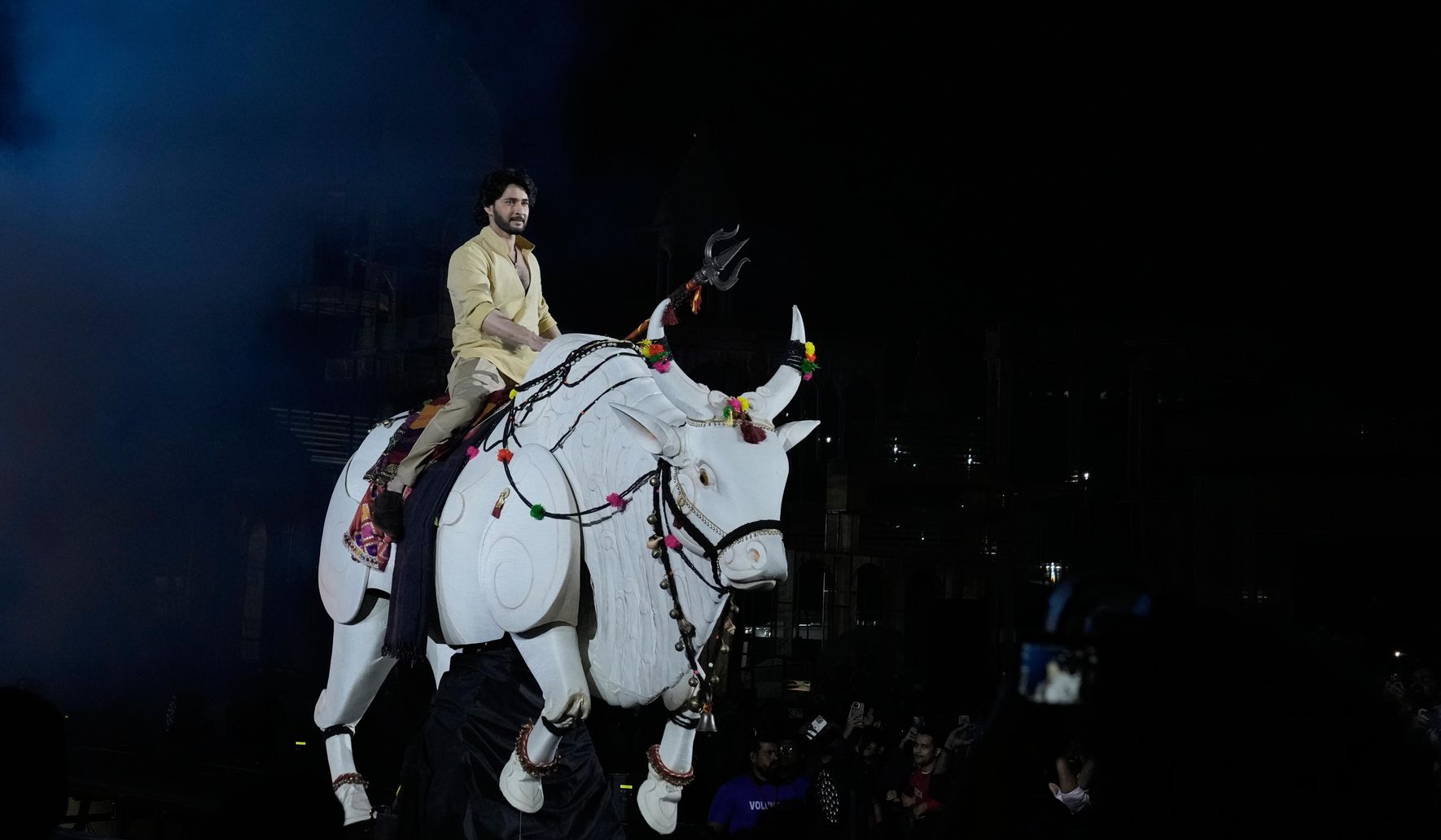
Filmmaker S.S. Rajamouli has become a global name through massive, visually driven blockbusters like “RRR” and “Baahubali,” reshaping the perception of Indian cinema with ambitious scale, technical craft, and crossover appeal.
S.S. Rajamouli rose from regional storytelling to worldwide recognition by stacking spectacle on strong, crowd-pleasing narratives. His films blend mythic beats with modern production values, turning local tales into cinematic events. Audiences both in India and abroad now expect nothing less than grand set pieces and meticulously staged action from his projects.
The director’s approach centers on scale and clarity, making every sequence readable even amidst chaos. He treats spectacle as a storytelling tool rather than ornamentation, so visual bravado always serves the emotional core. That discipline helped “Baahubali” become a benchmark for Indian epic filmmaking and paved the way for “RRR” to cross international boundaries.
Production values are a recurring headline with Rajamouli’s movies, and that isn’t accidental. He collaborates with top-tier technicians—cinematographers, VFX teams, editors, and composers—to push technical limits while keeping the narrative tight. The result is cinema that looks global but remains rooted in local rhythms and cultural specificity.
Music and choreography play an outsized role in his storytelling toolbox, often defining tone and boosting momentum in key sequences. Songs and dance are integrated into the plot mechanics rather than feeling like optional embellishments. That synthesis of movement and melody helped “RRR” and earlier works land emotional punches that resonated across cultures.
Rajamouli’s films also show a sharp sense of audience dynamics, balancing star power with ensemble work and crowd moments. He constructs sequences that reward collective viewing—big reveals, choir-like reactions, and sequences that generate shared astonishment. Those communal beats fueled massive box office returns and robust word-of-mouth momentum for theatrical releases.
International recognition followed, not because he chased Western tastes, but because his films amplified universal emotions through exceptional craft. Hollywood took notice as his box office numbers and festival buzz made clear there’s global appetite for epic storytelling from India. The interest has opened conversations about cross-border collaborations and distribution strategies beyond conventional circuits.
Critically, Rajamouli’s success has altered expectations within the Indian industry itself, encouraging larger budgets, more ambitious stunt work, and an emphasis on technical departments. Filmmakers and studios now treat scale as a viable creative and commercial lever rather than a risky vanity project. The industry shift also prompted investments in post-production and VFX talent across the region.
Looking ahead, audiences are watching for how Rajamouli balances spectacle with fresh narrative risks, and whether his next projects will innovate within the framework he has popularized. Whatever comes next will be measured against a high bar: emotionally punchy storytelling, technical excellence, and those unforgettable set pieces. That combination is what transformed his name into a shorthand for event cinema at home and abroad.

