

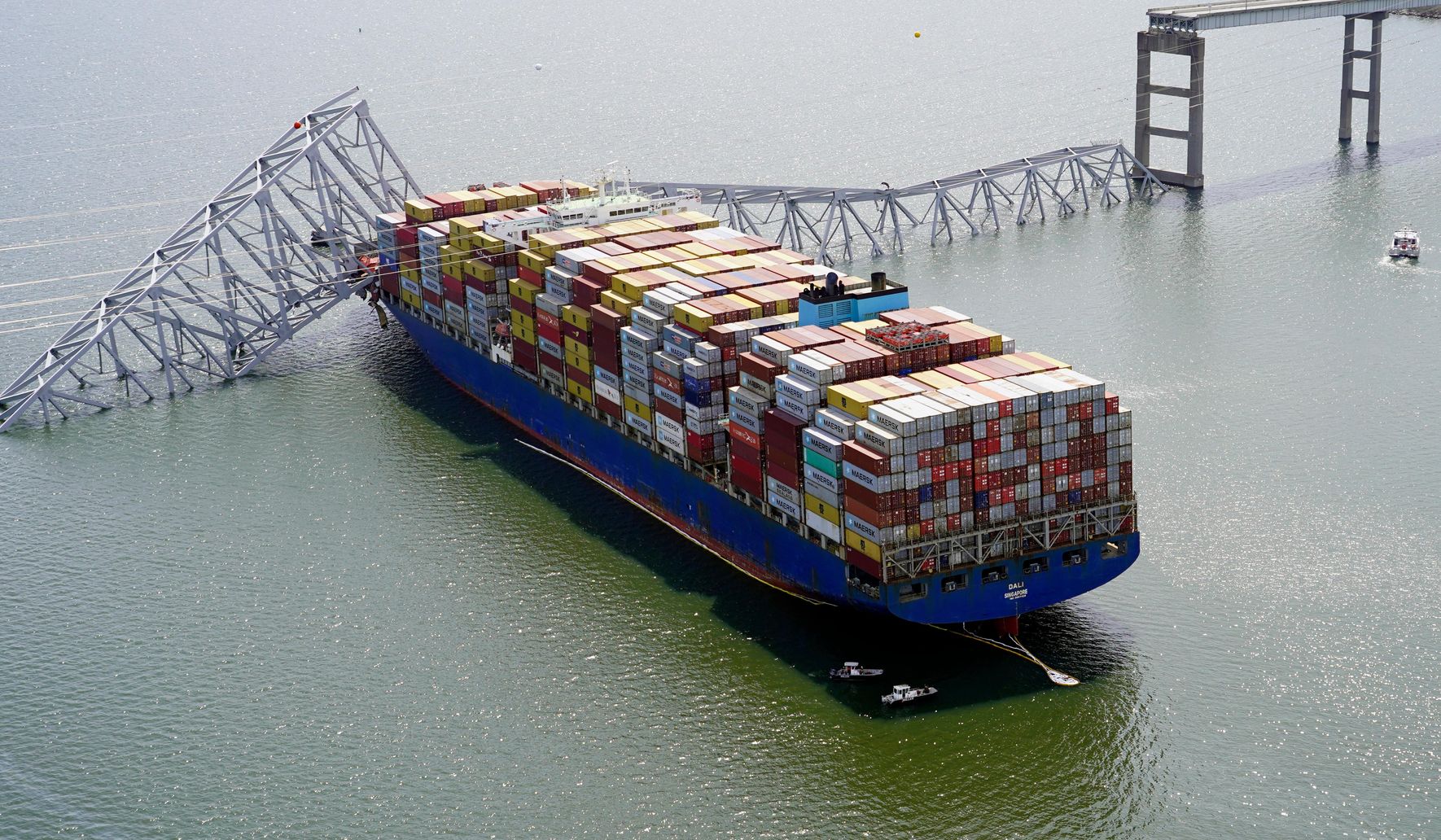
Maryland now expects to pay more than double the prior estimate to replace Baltimore’s Francis Scott Key Bridge after its collapse that killed six construction workers last year.
The state says the price tag to rebuild the Francis Scott Key Bridge has climbed sharply, more than doubling the earlier projection. That shift forces officials to rethink budgets, schedules, and how to keep traffic and commerce moving while construction plans are revised. Local communities and businesses are watching closely as leaders discuss funding options and timelines.
The human cost is still front and center, because six construction workers lost their lives when the structure came down last year. Those losses have shaped public sentiment and added urgency to safety reviews and worker protections tied to the reconstruction. Families and colleagues continue to demand clear answers and reliable steps to prevent another tragedy.
The jump in replacement cost reflects a mix of technical, logistical, and market realities that often hit large infrastructure projects. Rising material prices, expanded design requirements, and new engineering assessments can add up quickly. Officials also face the challenge of rebuilding under close public scrutiny, with any change in scope or specification drawing more attention and sometimes more expense.
Planning a full replacement of a major river crossing means balancing durability with speed, and that balance pushes costs. Engineers are weighing options on foundations, spans, and materials to ensure the new bridge lasts for decades and meets modern standards. Longer service life demands higher upfront investment, but it also promises fewer repairs and lower operating costs over time.
Traffic patterns and supply chains around Baltimore are a practical concern while reconstruction moves forward. Detours, lane reductions, and shifts in commercial shipping create ripple effects for commuters and freight operators alike. That economic friction factors into the overall calculus, because restoring reliable access quickly helps reduce broader costs and community disruption.
Accountability and oversight will be important as budgets grow and timelines shift, with state and local leaders responsible for keeping the public informed. Transparent procurement and close management of contractors can limit waste and keep the project focused on clear milestones. Independent reviews and audits often follow when estimates rise sharply, and those checks can help reassure taxpayers that dollars are being spent wisely.
Safety upgrades are likely to be built into the new design, influenced by lessons learned from the collapse and from modern bridge practice. Those upgrades can include more robust structural redundancies, improved monitoring systems, and construction-site protections to guard workers during the rebuild. Each enhancement contributes to the long-term goal of a safer crossing that supports both people and commerce.
Communities near the bridge will face both short-term inconveniences and long-term consequences tied to any replacement plan. Local leaders are pressing for clear schedules and fair compensation where disruptions affect businesses and residents. The conversation now is less about blame and more about practical steps to complete a resilient, safe replacement that honors the lives lost and restores a critical transport link.

