

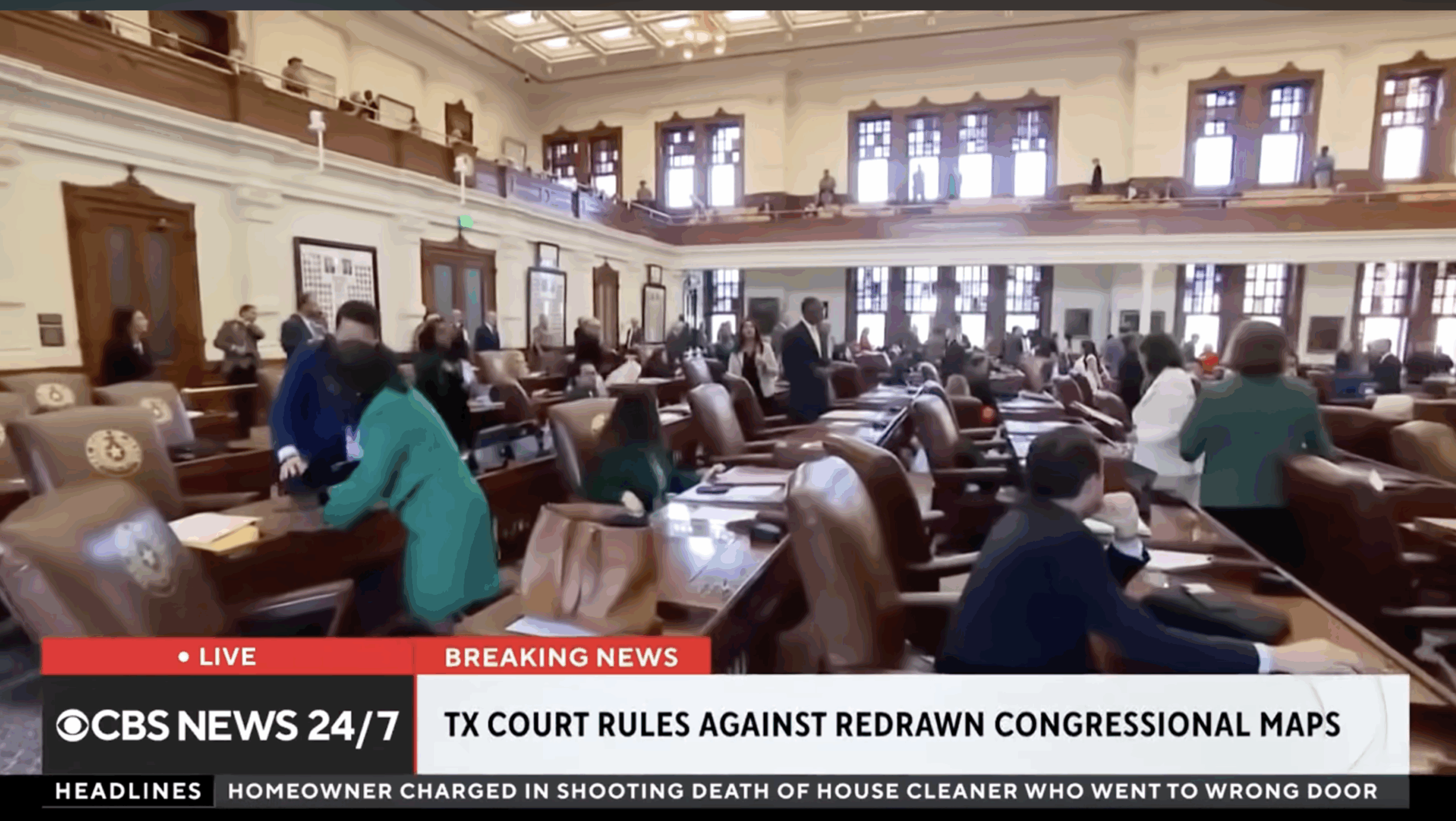
Republicans in red states have to get serious now: win better candidates, sharpen the message, and shore up turnout if we want to keep the House from slipping away for good.
Republicans in red states must step up or risk losing the House to Democrats permanently. That plain sentence captures the urgency, but urgency alone won’t save seats. It takes strategy, discipline, and leaders willing to make the hard calls.
Complacency is the enemy. When party officials assume red equals safe, candidates get lazy and local organizations wither, and Democrats exploit every opening with targeted spending and messaging.
Candidate quality matters more than party registration. Too many primaries reward flashy rhetoric over competence, and that hands Democrats easy targets in swing districts where voters care about results not tribal loyalty.
Fundraising and ground game are not optional. Big national war chests help, but the real advantage belongs to the team that can put boots on the ground, run disciplined digital programs, and respond to local issues fast.
Messaging should focus on tangible wins, not abstract culture battles alone. Citing record on the economy, crime reduction, and school choice in clear, concrete terms connects with persuadable voters who decide House races.
Turnout is a battle you fight every election, not an expectation you assume will hold. Red state leaders need to invest in long-term voter contact programs that maintain relationships rather than waiting for panic months before Election Day.
Primary reform gets attention for a reason. Open primaries and vetting processes that favor electable conservatives over fringe candidates reduce the chance of handing seats to Democrats in general elections.
State parties must act like professional organizations. That means data-driven targeting, transparent candidate support criteria, and consistent standards for discipline when a nominee undermines the party’s chances.
Local races feed into federal outcomes. School boards, county commissions, and state legislatures shape voter perception and infrastructure for higher-turnout cycles, so investment there pays real dividends for House campaigns.
Republicans need to own the future on policy not nostalgia. Promoting practical solutions for families, energy independence, and public safety beats reactive arguments and draws suburban voters back into the tent.
Messaging has to be disciplined across platforms. When every candidate speaks a different language about basic issues, the party loses coherence and gives Democrats easy lines to exploit in advertising and debates.
Recruitment is a full-time job, not a last-minute scramble. Finding candidates with community ties, clean records, and the ability to explain conservative principles clearly should be a top priority for state leaders.
Protecting election integrity must be done with transparency and legal rigor. Skepticism without proof damages credibility, but strong, clear processes for secure and transparent voting build trust with the center and the base.
Donors should be pushed to fund long-term infrastructure, not just headline-grabbing endorsements. Sustained investment in training, field staff, and local offices pays off by creating reliable maps of persuasion and turnout.
State leaders must be willing to hold each other accountable. That means backing candidates who can win and replacing gatekeepers who protect special interests over electability, even when that causes short-term friction.
Finally, this is a fight centered on people, not press cycles. The party that treats voters like a constant project rather than a series of crises will lock in support, protect House majorities, and keep governing power where conservative reforms can be implemented.

