

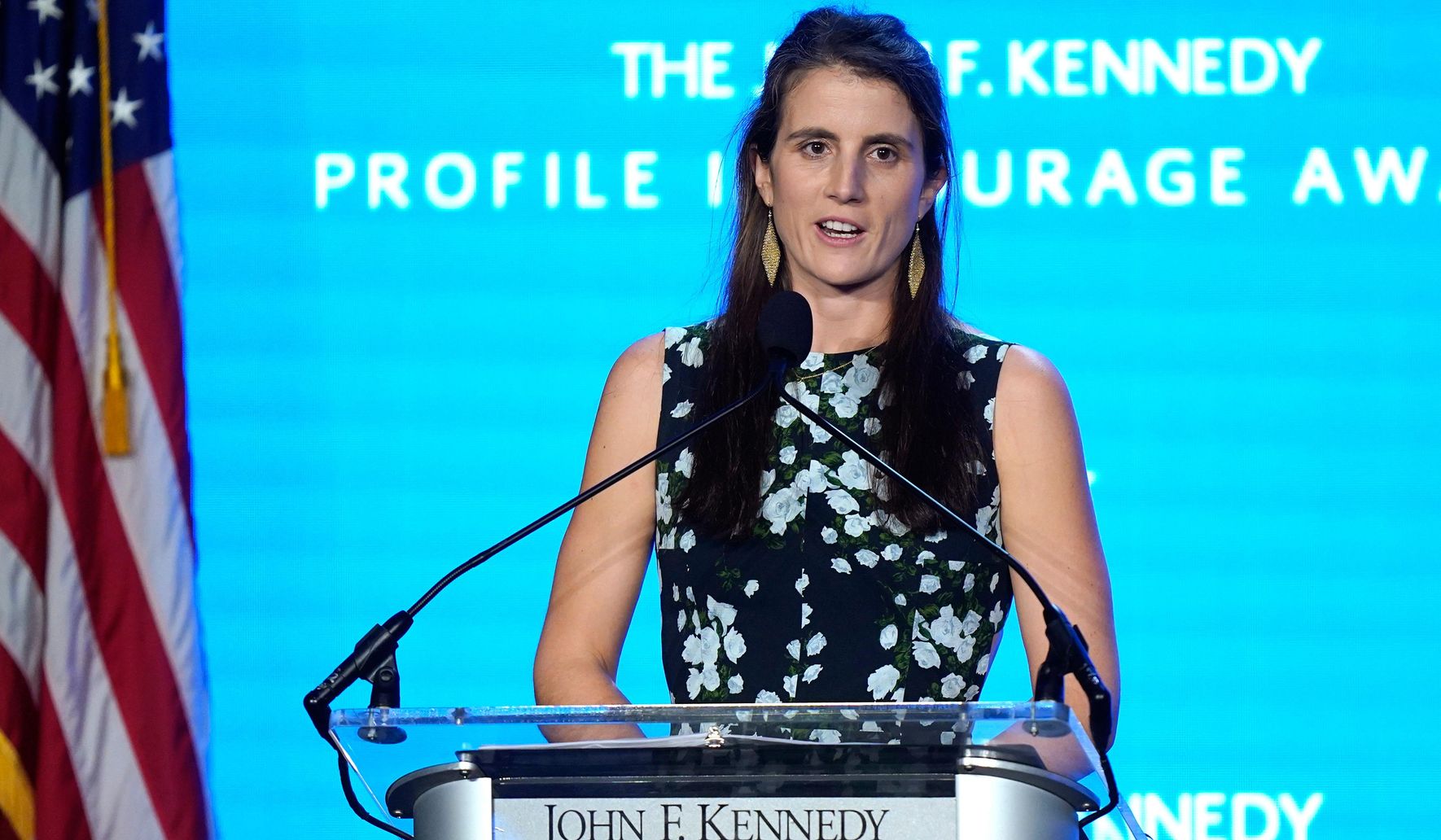
John F. Kennedy’s granddaughter revealed in a public essay that she is facing terminal cancer, writing in “The New Yorker” and sharing a stark medical estimate about her prognosis.
She chose a long-form piece to make the announcement, taking the conversation beyond a short statement and into personal detail. The essay format allowed her to set the tone and control parts of the narrative, offering readers a closer look at what she is living with. This approach turned private grief into a public moment that many have noticed and reacted to.
In the piece she wrote in “The New Yorker” that one of her doctors said she might live for about another ye, a line that underscores how patients sometimes relay partial or provisional medical estimates. That fragment reflects how clinical forecasts can land in public accounts, sometimes abruptly and without full context. It also shows the rawness of communicating prognosis while still processing what that prognosis means personally.
Family legacy naturally shapes how the news travels, and a Kennedy surname guarantees attention from a wide audience. That attention brings both support and intense scrutiny, and people close to the situation must navigate sympathy alongside unwanted intrusions. The granddaughter’s choice to speak publicly suggests she weighed those trade-offs and decided the benefits of communicating her reality outweighed the costs.
Readers responded with a mix of compassion, curiosity, and questions about how public figures handle illness. Many messages focused on practical concerns, like access to care and quality of life, while others reflected on the symbolic meaning of illness within a famous family. Public reaction often mirrors broader conversations about medicine, privacy, and the responsibility of public figures to share hard truths.
Medical reality in terminal diagnoses can be murky, with ranges and uncertainties rather than clear deadlines. Clinicians offer best estimates based on the information they have, but individual outcomes vary, and prognoses evolve with treatment and new information. The public often struggles with that nuance, expecting definite answers where none exist.
Her essay also drew attention to the emotional labor involved in telling this kind of story in a public forum. Choosing words, timing, and the medium matters when someone makes a private health crisis part of public record. That labor extends beyond the writer to the family and medical team who must align on how much to share and when.
Members of the public, media outlets, and advocates now face the task of responding with care and accuracy rather than speculation. Responsible coverage means avoiding sensationalism and respecting the person behind the headlines, while still discussing the broader issues this disclosure brings into view. The conversation touches on medical ethics, the role of celebrity in health narratives, and how communities support people through serious illness.
The announcement also prompted a range of conversations about end-of-life planning, treatment options, and how loved ones cope with prognostic uncertainty. Those practical concerns often surface after such disclosures, as families and friends seek resources and clarity. The piece opened a space for those real, often overlooked questions to be asked publicly.

