

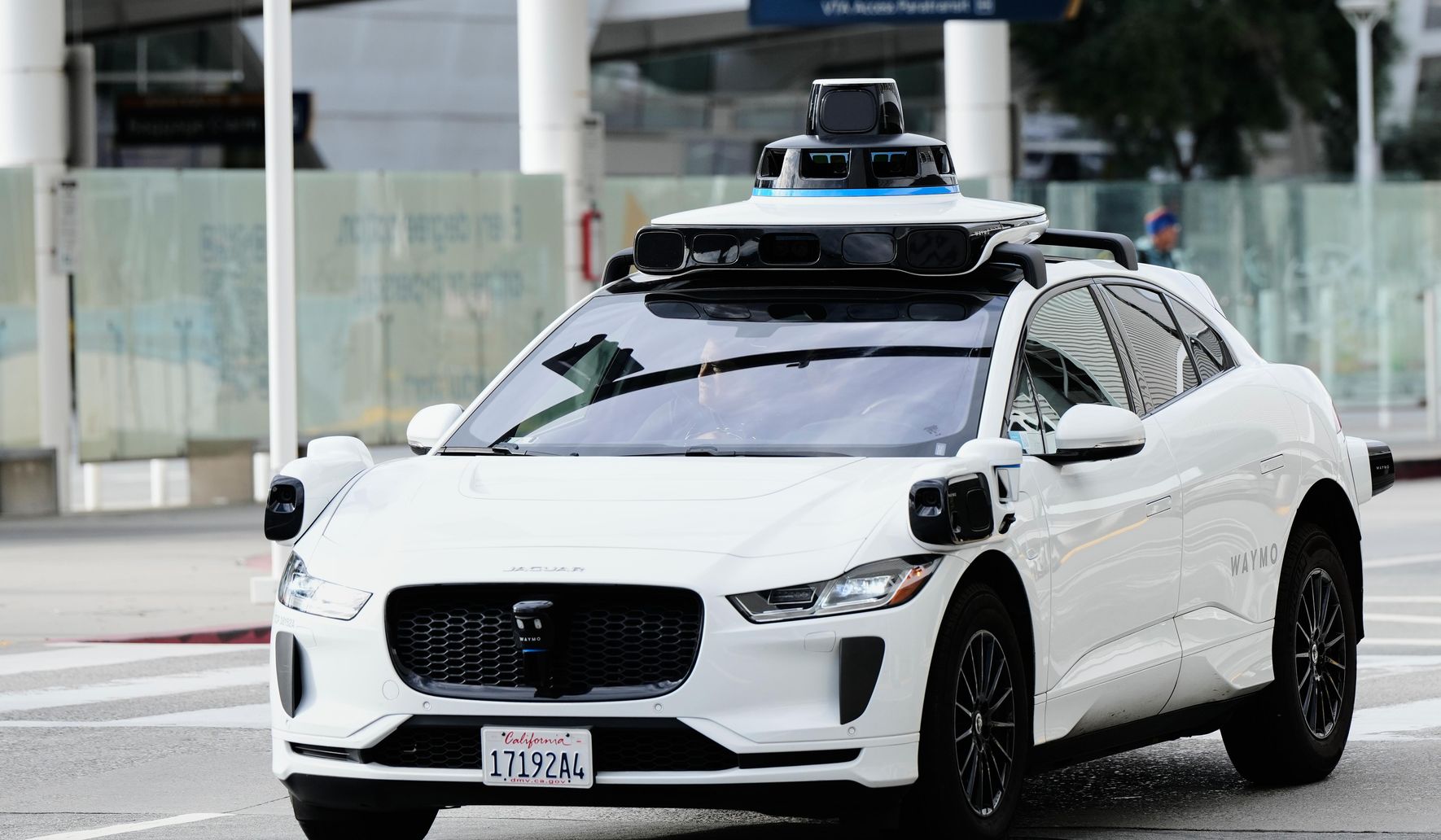
Waymo pulls a software update after Austin officials say its self-driving cars failed to stop for school buses, sparking safety and oversight questions.
Waymo, a subsidiary of Google parent company Alphabet, is recalling the software of its self-driving vehicles after officials in Austin said the vehicles did not stop for school buses. That single fact has already triggered regulatory attention and public concern about how autonomous systems handle basic safety rules. City officials flagged the behavior, and the company moved to withdraw the software while it investigates what went wrong. The decision to recall software is a signal that the issue was taken seriously by both local authorities and the company.
The company behind the cars is well known: Waymo develops full-stack autonomous driving systems and operates robotaxi services in a handful of cities. Alphabet’s support gives Waymo deep technical resources and a high public profile, but it also raises expectations for flawless performance in streetside situations. When an AV system misses something as standard as a school bus stop, the optics are sharp and immediate. That’s why the response from both the city and the company was swift and visible.
A software recall usually means rolling back a recent change, pushing a corrected update, and running additional tests before putting the code back into live service. Engineers will review logs, sensor data, and decision trees to trace why the cars failed to react appropriately. In practical terms, recall work can be distributed remotely or require vehicles to be taken out of service temporarily. Those technical steps are routine in software development, but in mobility they carry public-safety weight.
Stopping for school buses is a basic safety expectation that most drivers—and laws—treat seriously. Vehicles are required to stop for buses loading or unloading children in many jurisdictions, because the risk of a child running into traffic is real and clear. Autonomous systems have to be designed to understand and prioritize those scenarios. When they don’t, even a single incident can erode public trust in the broader technology.
City regulators typically investigate claims like this by collecting dashcam, traffic camera, and vehicle telemetry data to reconstruct what happened. Local officials in Austin flagged the behavior, which prompted Waymo to act quickly on its software. That coordination matters: regulators want to see companies handle safety lapses transparently and take corrective action without delay. The exchange between public agencies and companies shapes how future oversight will be enforced.
For riders and the general public, a recall can mean interruptions in service or reduced vehicle availability while the issue is fixed. Waymo’s operational teams may restrict the affected cars to controlled environments or implement temporary safeguards until the updated software is validated. For a company operating paid services or public pilots, those short-term impacts are weighed against the need to prove the system is safe before resuming normal operations.
The industry watches these episodes closely because they influence policy and investor sentiment. Incidents that touch on straightforward safety rules tend to attract more scrutiny than edge-case failures, and regulators often respond by tightening testing requirements or demanding more detailed reporting. For startups and established players alike, the lesson is familiar: robust validation for routine behaviors is as important as demonstrating rare, hard-edge maneuvers.
Waymo’s recall also raises questions about how autonomous systems interpret roadside cues like flashing lights, stop signs on buses, and human crossing behavior. Designers must balance conservative behavior that avoids risk with the need to keep traffic flowing safely and predictably. Engineers will likely revisit perception models, decision thresholds, and scenario prioritization to prevent a repeat of this kind of miss.
Officials and companies will continue to trade data and updates as the investigation proceeds, aiming to restore confidence without glossing over the facts. As software-driven mobility becomes more common, expect stricter documentation of how companies certify safety for critical behaviors. For now, the immediate focus is technical: identify the root cause, deploy a tested fix, and ensure vehicles drawn on public roads follow the rules meant to protect vulnerable people.

