

A brief look at a rare transplant-transmitted infection and the questions it raises about screening, diagnosis, and public health response.
A Michigan man died of rabies in January after receiving a kidney transplant from someone infected with the disease. The case has drawn attention because rabies is an uncommon diagnosis in modern transplant medicine, and it exposes gaps in how infections are detected and communicated in organ donation systems. Health officials and clinicians are now revisiting procedures used when donor infections are suspected or later discovered.
Rabies is a viral disease that attacks the nervous system and, once symptoms appear, is almost always fatal without immediate prior treatment. In the United States, human rabies cases are rare thanks to pet vaccination and wildlife control, but the virus persists in wild animals such as bats, raccoons, skunks, and foxes. That rarity can make clinicians less likely to suspect rabies, especially after a transplant when many other complications are more common.
Diagnosing rabies before symptoms appear is difficult, and standard donor screening does not routinely test for the virus unless there are clear signs or risk factors. Organ procurement organizations rely on medical history, family reports, and limited laboratory testing to assess donors, which creates a window of risk when an infected donor looks healthy at the time of donation. The Michigan case suggests that window can sometimes be fatal for recipients.
Transplant-transmitted infections are rare but serious because organs bypass many natural barriers and deliver pathogens directly into recipients. When an unexpected infection is identified in a donor, quick communication becomes essential to check other recipients and give timely care. Public health teams often scramble to trace contacts, notify other transplant centers, and recommend postexposure measures when needed.
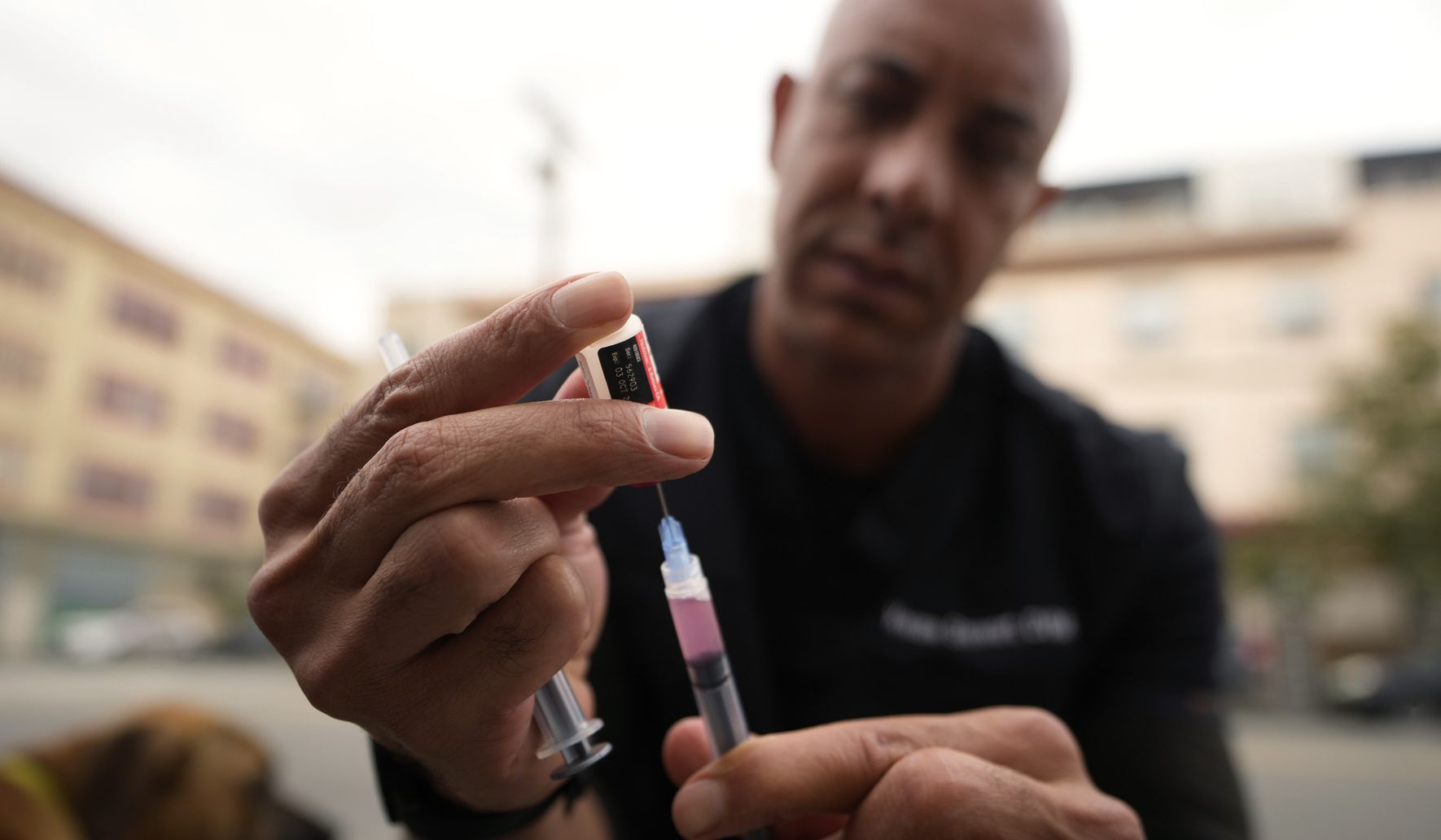
Postexposure prophylaxis for rabies—vaccination plus immune globulin—works well if given before symptoms start, but it is not effective once the disease is established. That narrow window means early detection in any donor or recipient is critical to preventing additional cases. In transplant medicine, timing and information are everything; delays in recognition or notification can close the door on lifesaving prevention.
Clinicians say this kind of event calls for clearer protocols that balance urgency with practical limits on testing every donor for every rare pathogen. Some experts favor targeted testing when donors have neurological illness of unknown origin or unexplained behavioral changes prior to death. Others point to the need for better history-taking from families and a faster path to specialized tests when red flags appear.
From a systems perspective, the episode highlights the need for robust communication channels between organ procurement organizations, transplant centers, and public health authorities. Rapid alerts about a donor’s later-confirmed infection should trigger immediate evaluation of all recipients and exposed staff. That coordination can mean the difference between preventing secondary cases and dealing with a cascade of treatable exposures that were missed.
Laboratory capacity also matters. Confirmatory rabies testing can take time and may require samples sent to specialized labs, which slows decision-making. Faster access to advanced diagnostics and quicker turnaround times would help clinicians decide on prophylaxis for exposed recipients and caregivers. Improving that chain from suspicion to result is a practical way to reduce risk without screening every donor for every rare disease.
The personal toll is stark: a transplant that was meant to save one life instead ended in a tragic loss, and recipients and families face the psychological and medical fallout. Health systems aim to learn from these rare events and adjust protocols so risk is minimized in future donations. Cases like this push the field to refine how it weighs the urgent need for organs against the slim but deadly possibility of undetected infection.
Officials will review this incident, update guidance as needed, and likely recommend targeted changes to donor evaluation and postdonation communication. For transplant programs, the takeaways include sharper attention to unexplained neurological symptoms in donors, faster pathways for specialized testing, and stronger, faster notification practices when a concerning diagnosis emerges. The goal across the board is to keep transplantation both lifesaving and as safe as possible for all recipients.

