

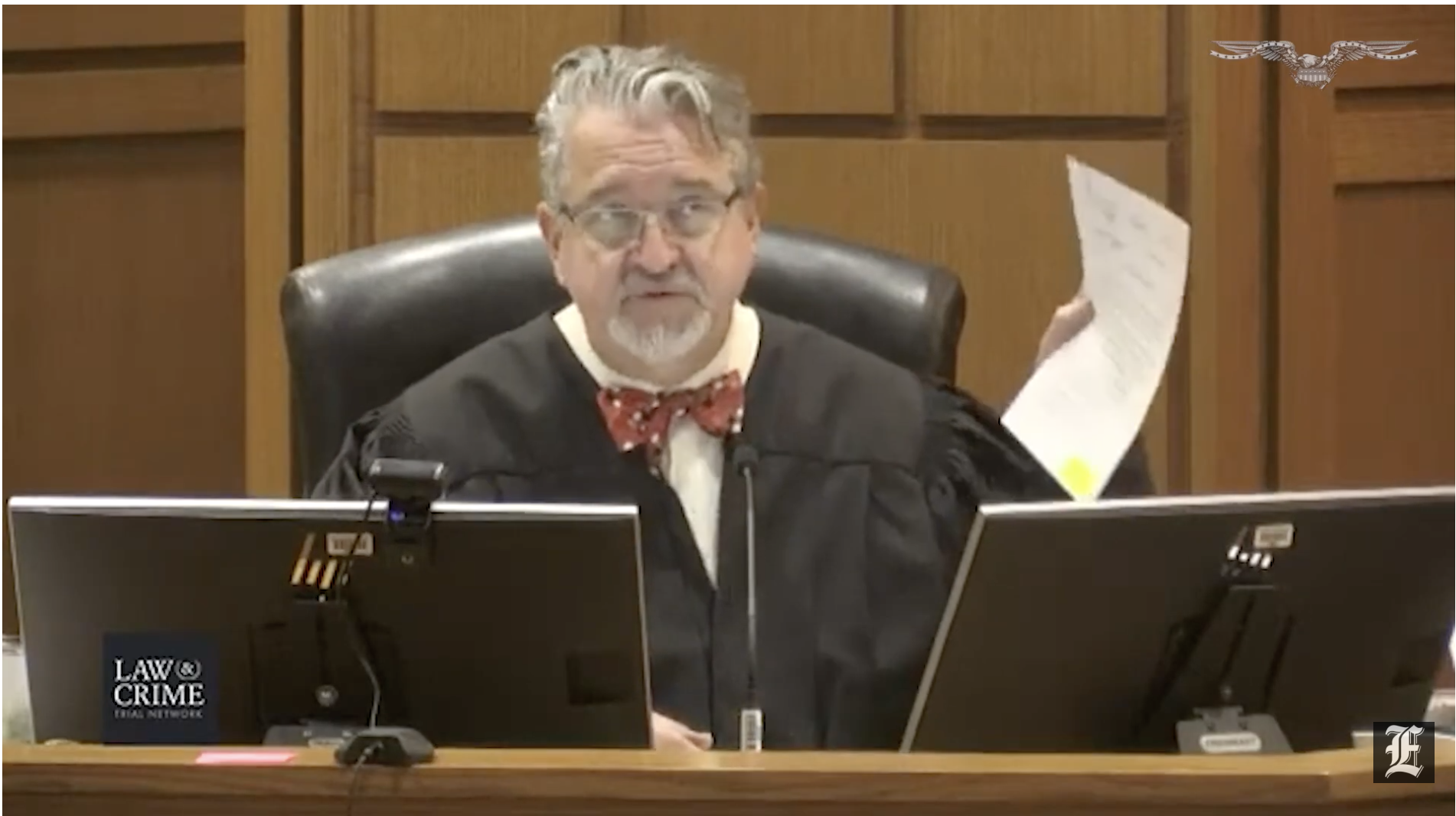
A judge with a ‘grudge’ against one of the defendants allegedly ghostwrote Wisconsin Judge John Hyland’s August order denying a dismissal motion, raising questions about impartiality and process.
The claim that a judge with a “grudge” ghostwrote the August order from Wisconsin Judge John Hyland landed like a bomb in a case already under intense scrutiny. It is a straightforward allegation but one that cuts to the core of judicial fairness and public confidence. When outside influence or personal animus enter courtroom papers, the integrity of every decision in that case is called into doubt.
Allegations of ghostwriting are not minor procedural gripes; they challenge whether the judicial process is being manipulated. If the anonymous drafting of an order reflects a vendetta, it undermines the neutral role a judge must play. Courts depend on trust and predictable rules, and a claim like this threatens both.
Legal ethics set high bars for judges because their decisions carry finality and massive consequences. The allegation here is that the order denied a motion to dismiss, which means the case moved forward despite questions about whether it should have. That outcome matters for defendants and the public alike, and any hint of a biased pen behind it deserves careful review.
From a Republican perspective, this is about accountability and the rule of law, not partisan theater. Judges must be held to the same standards every other official is held to when misconduct is alleged. If a judge used their position to advance a personal grudge, the appropriate oversight mechanisms should act swiftly and transparently.
Courtroom integrity also affects appeals and later rulings. An order tainted by improper influence can become the subject of collateral litigation, motions to recuse, or challenges on appeal. Those additional proceedings cost time and money, and they delay final resolution for everyone involved, which is unfair to victims, defendants, and taxpayers.
The practical fixes are not complicated: investigate the claim, reveal any authorship trail, and apply disciplinary rules if misconduct is shown. Judicial councils and oversight bodies exist to protect the bench’s reputation and to restore confidence when it falters. Doing so protects the institution and reassures the public that no one is above the law.
At the same time, scrutiny must be careful and measured. Accusations are serious, and people deserve due process, including the judge implicated. An inquiry should balance thorough fact-finding with respect for legal norms so that conclusions rest on evidence rather than innuendo. That approach preserves fairness while addressing the problem head-on.
Whether this allegation ends in exoneration, rebuke, or something stronger, the episode highlights a basic point: courts must look and be impartial. Any sign that personal feelings dictated courtroom writing undercuts that mandate. Restoring trust after such a charge requires clear answers, decisive action, and a commitment to equal justice under the law.

