

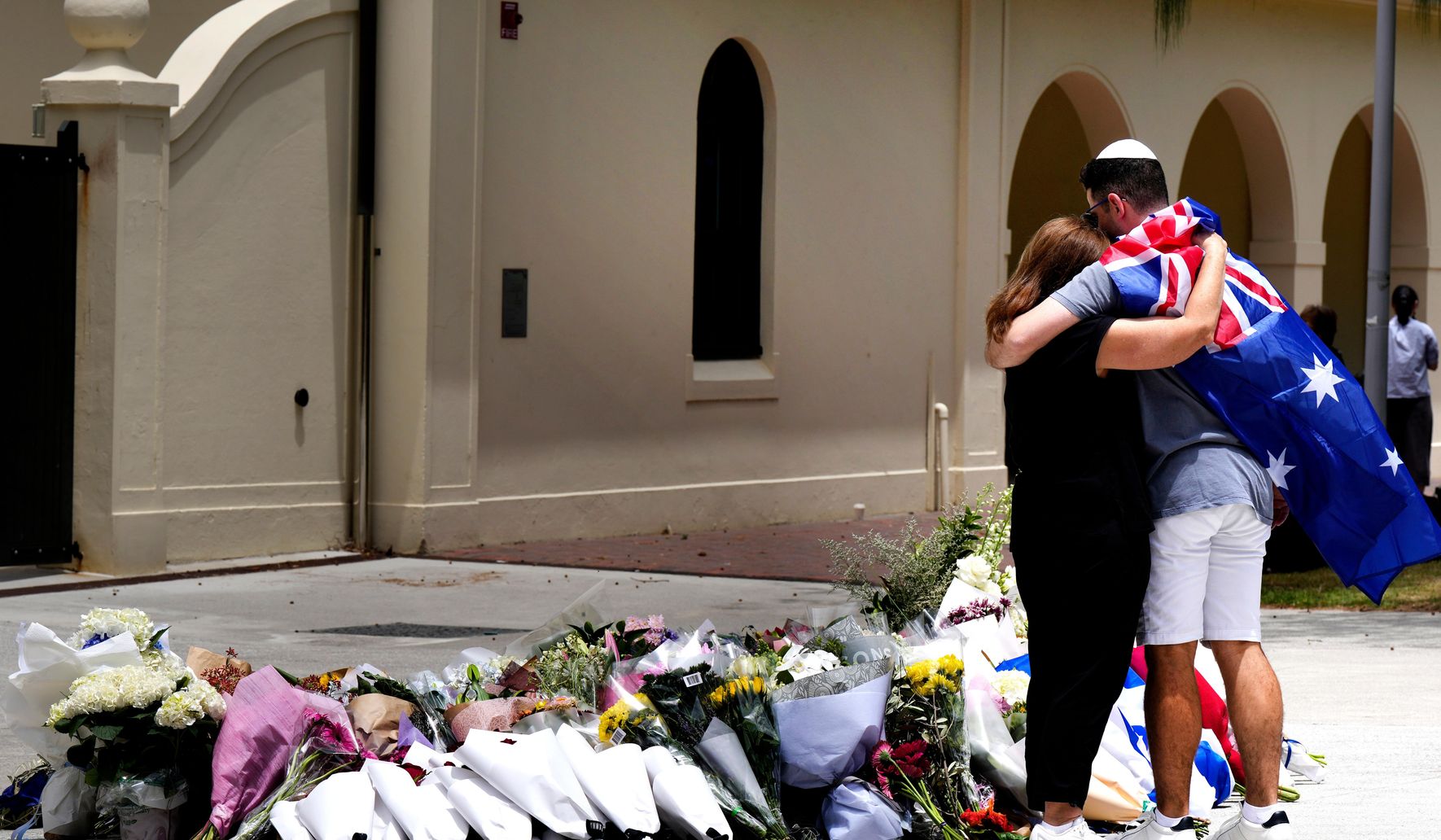
Australian leaders say stronger national gun rules are on the table after a deadly attack in Bondi, and the conversation has already shifted toward policy changes and public safety responses.
Australian Prime Minister Anthony Albanese on Monday proposed tougher national gun laws after a mass shooting on Sydney’s Bondi Beach left at least 15 people dead. That sentence captures the raw political response that follows tragedies like this: immediate proposals, national debate, and promises of action. People expect decisive steps, but the details and trade-offs matter and deserve scrutiny. The victims and their families need answers faster than political theater can provide.
From a Republican viewpoint, policy responses must focus on real-world fixes rather than symbolic gestures that undermine lawful citizens. Law-abiding owners and communities should not be painted with the same brush used for criminals and deranged assailants. Tougher rules that simply restrict access for responsible people rarely stop determined offenders who ignore the law. Any new laws should target illegal markets, criminal networks, and enforcement gaps that let dangerous weapons flow where they should not.
Policing and rapid response need urgent attention in moments like these, and that includes better coordination between local and federal units. Faster intelligence sharing, targeted surveillance of known threats, and improved situational awareness at high-density public spaces can blunt attacks. Investing in training, equipment, and communication systems brings immediate gains without curtailing civil liberties. The priority should be preventing violence through action, not only promising regulation after the fact.
Mental health and social intervention must be central to any long-term plan, since many attackers show warning signs before they strike. More funding for crisis services, clearer pathways for families to report worrying behavior, and better support systems in schools and workplaces can intercept potential killers. That does not absolve perpetrators of responsibility, but it recognizes that prevention often happens before a weapon appears. Policies should measure success by lives saved, not by how restrictive paperwork becomes.
Border security and illegal import controls deserve scrutiny because illicit weapons often move across borders and shadow markets, not through legal retail stores. Strengthening customs enforcement and targeting smuggling routes hits the real suppliers who feed crime. International cooperation and sharper intelligence on trafficking networks will reduce availability of dangerous weapons on the streets. This approach keeps lawful possession intact while squeezing the illegal market that empowers criminals.
Courts and sentencing play a role that too often gets overlooked in the noise after mass shootings. Swift, certain, and strong consequences for violent offenders deter repeat behavior and send a clear message to organized criminal groups. Lawmakers should consider tightening penalties for those who traffic weapons and for violent crimes that involve illegal firearms. Accountability for criminals matters more in the long run than additional red tape for everyone else.
Community resilience and public safety design can reduce casualties without reshaping whole cultures of ownership. Better lighting, visible policing, hardened protective measures at crowded venues, and clear evacuation plans save lives. Public awareness campaigns that teach situational awareness and how to report suspicious activity give citizens practical tools. These are low-controversy, high-impact steps that complement any legal reforms.
When leaders rush to ban or restrict broadly, they risk alienating citizens who respect the law and want to help build safer neighborhoods. Constructive policy mixes enforcement, prevention, and targeted restrictions on clearly defined illegal activity. The debate should focus on who poses the real risk and what policies will measurably reduce that risk. Political theater that substitutes slogans for solutions only deepens divides at a time when unity is needed.
Respect for victims remains paramount in any discussion, and reform ideas must proceed with empathy and evidence. Victims deserve prompt action that actually lowers the chance of another attack, not legislation aimed at signaling virtue. Policymakers should measure success by fewer tragedies, fewer loopholes for criminals, and stronger public safety — not by how dramatic a headline sounds. Concrete, enforceable steps that protect people and uphold rights are the responsible path forward.

