

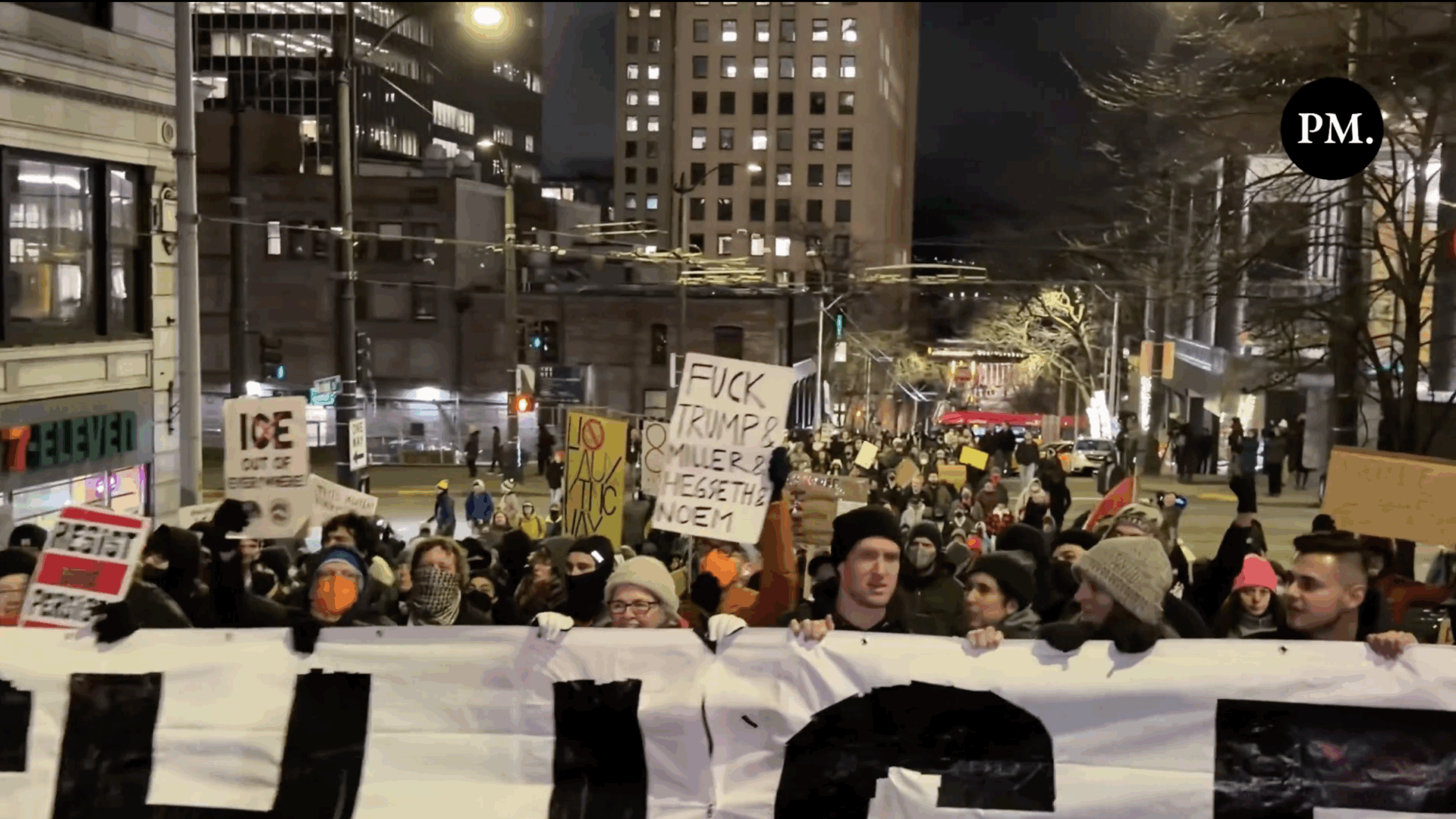
Democrats rushed to call a Wednesday shooting involving ICE “murder” and “state sanctioned execution,” a rush that risks fanning flames in an already tense environment. The woman who died, Renee Good, was fatally shot Wednesday after accelerating her vehicle toward an ICE agent who was standing in front of it during an encounter.
Words matter in moments like this, and calling a chaotic scene “murder” or “state sanctioned execution” in the first hours can shape public response before facts are known. Political actors prefer the loudest labels because they galvanize supporters, but when officials leap to blame, the result can be more violence, not less. We need clear facts, even as we insist on accountability.
There has been a steady drumbeat of attacks and harsh rhetoric aimed at ICE and its officers for months, and that context matters. When public figures demonize enforcement personnel, some listeners may hear a tacit approval for vigilante action. Holding leaders responsible for their words is not censorship; it is insisting they understand the consequences of what they say.
ICE agents perform a difficult job that often sees them in dangerous situations, and they deserve measured scrutiny rather than immediate condemnation. Law enforcement encounters turn deadly in a fraction of a moment, and thorough, impartial investigations are the right response. Rushes to judgment risk undermining public safety and fail the people who need answers.
Renee Good’s death is tragic, and acknowledging that pain does not require sacrificing truth or rule of law. The basic facts reported so far — that she accelerated her vehicle toward an ICE agent who was standing in front of it — should prompt a careful reconstruction of events. Determining what happened and who bears legal responsibility belongs to investigators, not partisan talking points.
There is a pattern emerging where political narratives precede the facts, and that pattern drives behavior on both sides. Supporters of enforcement see a double standard when officers are labeled cruel or murderous without a full accounting. Critics feel their outrage is justified by systemic problems they have long decried, but sweeping accusations thrown into a raw moment only fuel more division.
Public officials who stoke anger while promising justice should be held to the same standard they demand of others: produce evidence, not slogans. Law and order matters because it protects peaceful protest and public safety alike. When leaders trade careful judgment for rhetorical points, they put ordinary citizens and officers at greater risk.
We should demand transparency through an independent inquiry that lays out timeline, witness statements, forensic evidence, and body camera footage if available. That kind of methodical review gives the public the information needed to evaluate conduct on both sides. Anything less creates fertile ground for rumor, retaliation, and worse.
Accountability must apply across the board, including to those who incite or cheer violence indirectly with inflammatory language. Condemning illegal vigilantism is not the same as defending mistakes if they are shown to have occurred. A measured response preserves credibility for genuine reform and keeps the focus on corrective action rather than spectacle.
Communities need leadership that de-escalates tensions and prioritizes safety for everyone, including government employees who are simply doing their jobs. That means resisting the temptation to declare verdicts in the media cycle and instead asking tough questions about procedure and training. It also means supporting mechanisms that improve outcomes, from policy fixes to better oversight.
Legal processes exist for a reason, and they should run their course without being hijacked by political theater. If wrongdoing is proven, it should be punished to the full extent of the law; if not, those who sparked false claims should answer for the harm those claims caused. Both justice and stability depend on that balance.
Renee Good’s death should prompt sober reflection, not opportunistic accusations. The nation deserves straight answers delivered by investigators, not a reheated political playbook that risks making the next violent act more likely. Americans want safety, fairness, and the truth — and our institutions must deliver on all three.

