

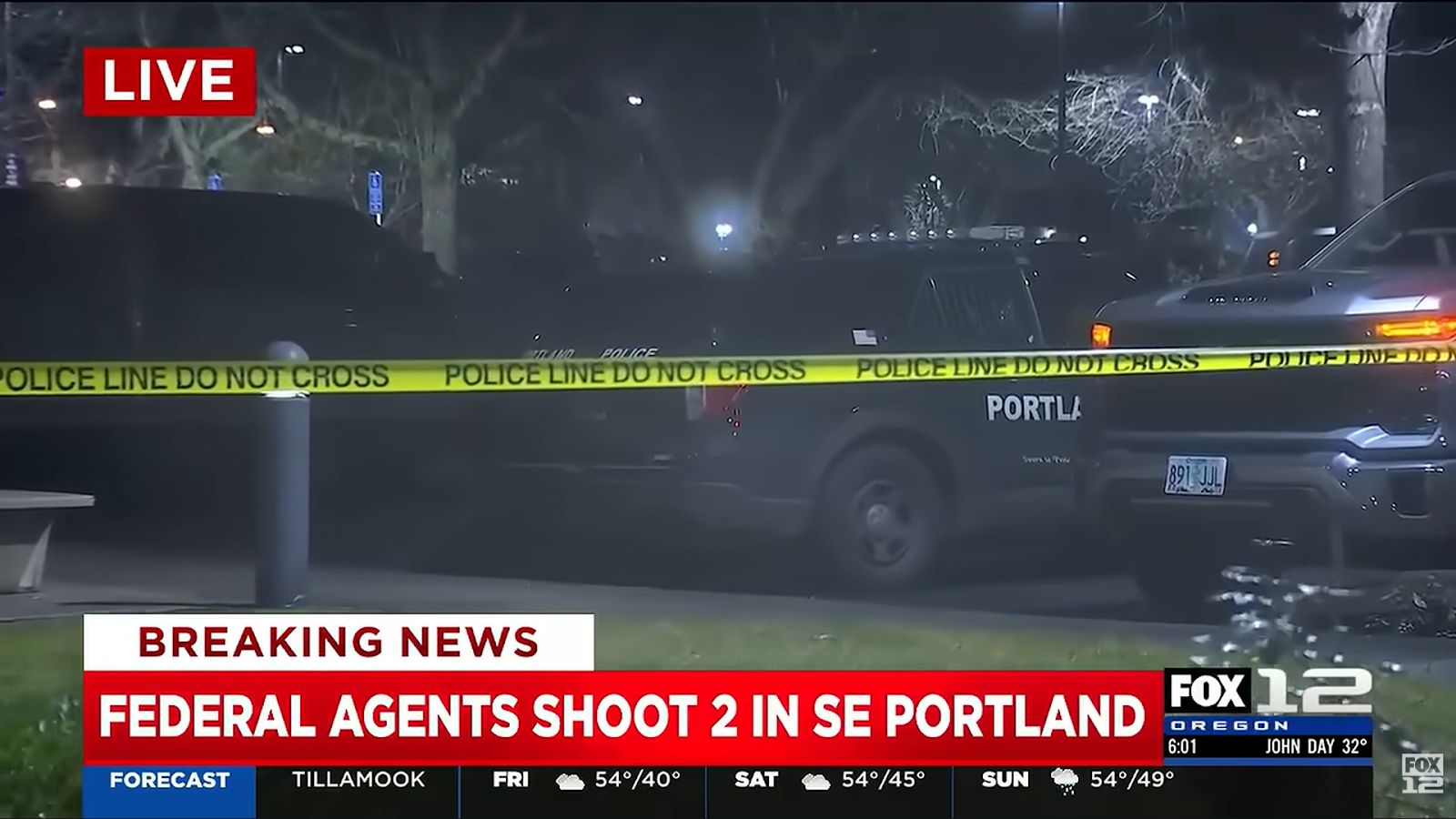
DHS says two suspects shot after allegedly weaponizing a vehicle against a Portland-based Border Patrol agent, and the men have been identified as affiliates of the Venezuelan gang Tren de Aragua.
The Department of Homeland Security revealed late Thursday that the two suspects shot in the Portland incident are linked to the Venezuelan gang Tren de Aragua. The shooting followed reports that a vehicle was being used as a weapon against a Border Patrol agent stationed in Portland, Oregon. Local and federal authorities are handling the matter while details continue to emerge.
Initial reporting made clear that two individuals were shot during the encounter involving U.S. immigration officials, and DHS confirmed the gang affiliation as part of its update. Officials described the situation as a response to an apparent attempt to weaponize a vehicle against the agent, prompting the use of force. Those facts have driven swift attention from law enforcement and policy circles alike.
Tren de Aragua is named in the DHS announcement because the agency tied the suspects to that Venezuelan organization. The identification raises immediate questions about transnational criminal influence inside U.S. cities and the pathways that allow such actors to operate here. For citizens concerned about public safety, that identification changes the conversation from an isolated incident to a border and immigration security issue.
From a Republican perspective, this incident highlights ongoing gaps in how we control and defend our borders and interior spaces. When federal agents encounter individuals with foreign gang ties on U.S. streets, it points to failures in screening, detention, and removal processes that should be tightened. The practical result is unnecessary risk to frontline officers and to communities that expect their governments to keep them safe.
Reports indicate Border Patrol officers acted to stop an immediate threat after the vehicle was allegedly used as a weapon, resulting in the two suspects being shot. Use-of-force questions and after-action reviews are standard, and those reviews should be transparent and timely. Still, the priority must be protecting agents and the public while preserving due process for suspects.
The DHS disclosure itself creates a responsibility for clear communication: the public needs accurate, confirmed information as investigations proceed. Vague or delayed updates fuel speculation and political posturing, which only distracts from solving concrete security problems. Federal agencies should coordinate with local law enforcement to ensure facts are shared quickly and responsibly.
Portland’s role in this episode also matters because city policies and cooperation with federal authorities vary across the country. Where local political decisions limit enforcement or restrict information sharing, federal officers are placed in more difficult positions. It’s reasonable to expect an honest assessment of how local policies affected this response and whether changes are needed to prevent similar confrontations.
Lawmakers and local leaders will debate the right balance between civil liberties and public safety in the weeks ahead, and that debate should include hard facts about cross-border criminal networks and enforcement gaps. Investigations will determine the full sequence of events, the justification for force, and whether any procedural failures occurred. Meanwhile, taxpayers and residents deserve straightforward answers about who was involved and how federal and local agencies plan to prevent future threats.

