

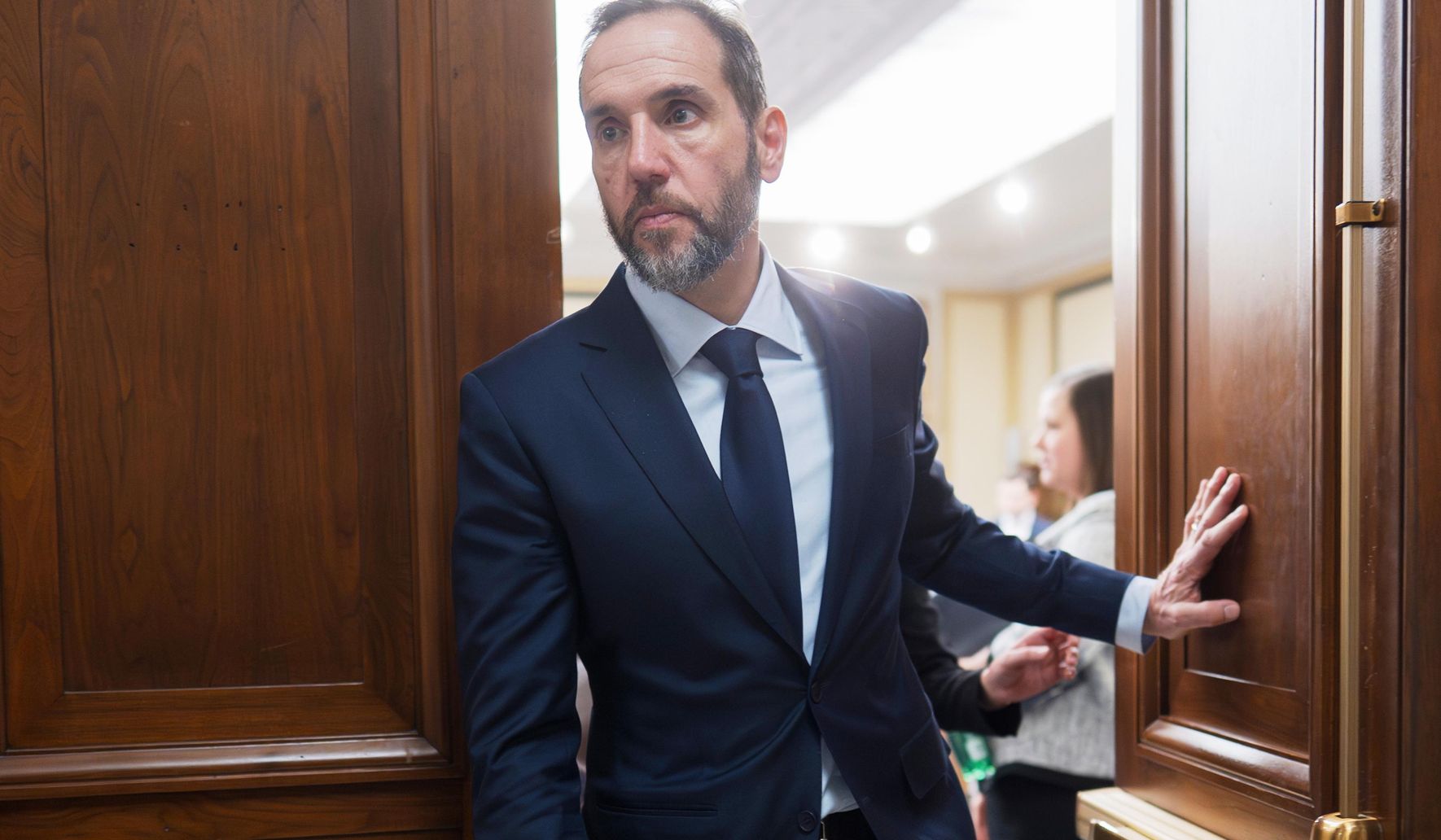
Former Special Counsel Jack Smith, who pursued two criminal cases against President Trump during the Biden administration, will testify publicly about the prosecutions later this month.
Jack Smith’s upcoming public testimony puts a spotlight on a pair of high-profile prosecutions that shaped the political landscape over the last few years. The subject matter touches on prosecutorial choices, timing, and how justice and politics intersect when cases involve a sitting or former president. For Republicans, this hearing is more than procedural; it’s a chance to push for answers about fairness and the integrity of the Justice Department.
Smith was named special counsel to handle two separate criminal cases against President Trump, a move critics said concentrated extraordinary authority in a single prosecutor. Those prosecutions became central talking points about whether federal power was applied evenhandedly or used selectively. Republicans argue that the public deserves a clear, unvarnished account of how and why those decisions were made.
Expect Republicans to focus on specific decision points: why charges were pursued when they were, what evidence was relied on, and whether the rules applied to everyone equally. Lawmakers will likely ask about communications between the special counsel’s team and other federal officials during the Biden administration. The aim will be to test whether political considerations ever influenced prosecutorial judgment.
The hearing also raises questions about the standards and practices that govern special counsels. Republicans will press on whether internal guidelines were followed, how grand jury materials were handled, and whether any exculpatory information was fully disclosed. Scrutiny will extend to both procedural safeguards and the broader accountability mechanisms inside the Justice Department.
There’s a legal texture to these inquiries as well: testimony could clarify the scope of prosecutorial discretion and the thresholds for bringing charges in novel or politically sensitive contexts. Republicans want to know whether precedent was respected or reset. They will use the testimony to argue for reforms if they see gaps in transparency or checks on prosecutorial reach.
Politically, Smith’s testimony could shape narratives heading into election season by feeding media cycles and congressional oversight efforts. Republicans will frame this as a test of whether institutions held to equal standards, and they’ll press the point that perceived bias corrodes public trust. How the testimony lands in public opinion will depend as much on the answers given as on how aggressively lawmakers pursue follow-up evidence.
Beyond the immediate hearing, Republican leaders are likely to weigh next steps based on what emerges publicly, including potential referrals, additional oversight, or legislative fixes aimed at limiting future politicization. The session itself will be watched for admissions, gaps, or inconsistencies that can be used to build a case for change. Whatever else happens, the testimony will be treated as a critical moment to examine how high-stakes prosecutions are handled when politics and law collide.

