

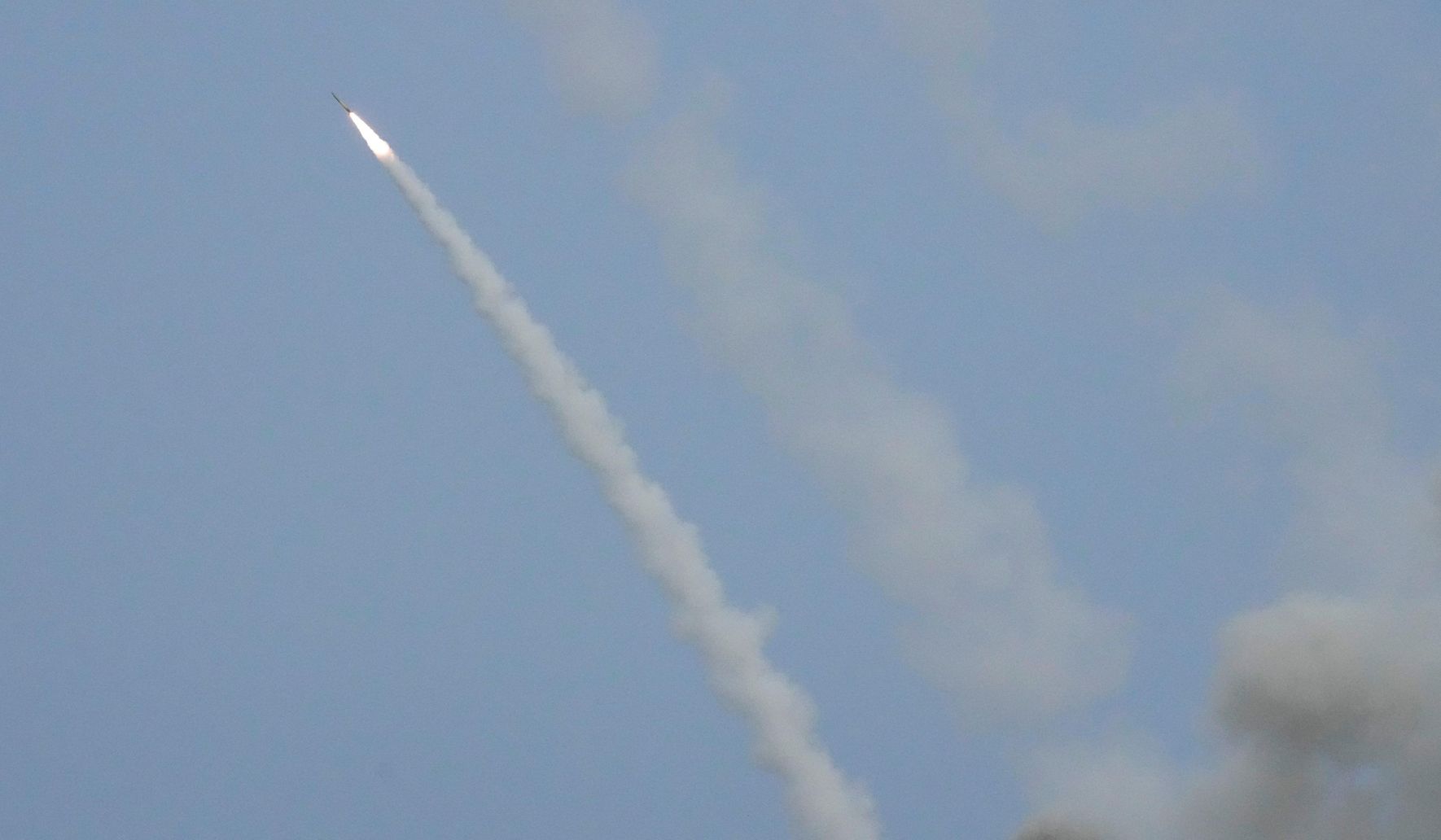
The United States is moving to place more advanced missile systems in the Philippines to strengthen deterrence in the South China Sea and back up its treaty ally amid rising tensions with Beijing.
The deployment plan signals a clear U.S. intent to make deterrence tangible and immediate rather than a distant promise. Officials frame the move as a practical step to protect maritime routes, defend Philippine sovereignty, and stabilize a region where competition has grown more aggressive. For Republicans, this is about restoring credible American power and keeping commitments that matter.
Stationing high-tech missile systems close to contested waters changes the operational calculus for anyone tempted to coerce smaller neighbors. A robust posture discourages reckless escalation by raising the costs of aggressive moves and protects the freedom of navigation that underpins global trade. The message is straightforward: alliances must be backed by capability and presence, not just words at a podium.
For Manila the arrangement is both strategic insurance and a sign that partnership with Washington remains strong. The Philippines gets enhanced defensive capacity and integration with U.S. forces, which improves surveillance, targeting, and rapid response options. Filipinos who worry about Beijing’s island-building and maritime patrols see a practical check on coercion without surrendering their sovereign rights.
Critics will call out risks of provocation, but deterrence is inherently about preventing conflict through strength, not inviting it. Properly calibrated deployments prioritize defense, situational awareness, and clear lines of communication to avoid misunderstandings. Maintaining a posture that is unmistakable yet controlled reduces the chances that miscalculation or local incidents spiral into something bigger.
The move also underscores a broader Republican argument about national power: deterrence requires modern tools, persistent presence, and credible willingness to act. Investments in missile defense and precision systems are investments in peace of a sort, because they keep adversaries from concluding that coercion will pay off. If the goal is a stable Indo-Pacific, then readiness and interoperability with allies are the practical levers to get there.
At the same time, policymakers must balance visibility with restraint, making clear these deployments are defensive and tied to treaty commitments. Clear rules of engagement, regular diplomatic channels, and joint exercises help ensure these capabilities safeguard rather than inflame regional order. Coordination with regional partners beyond just bases—intelligence sharing, logistics, and exercises—reinforces the deterrent in practical ways.
There are operational realities to handle: basing agreements, host-nation consent, sustainment, and the political optics both at home and abroad. Those details matter, but they should not obscure the strategic point that allies need dependable backing when faced with systemic pressure. This is a test of will and organization, and it’s one where demonstrating capability can prevent crises before they start.
Ultimately, the planned deployments reflect a policy choice: face down coercion with clear, accountable force posture rather than hope for change through passive appeals. Strength backed by law and partnership protects smaller states, preserves trade routes, and deters dangerous gambits. For those who want a secure, orderly Indo-Pacific, credible deterrence is the policy that actually delivers it.

