

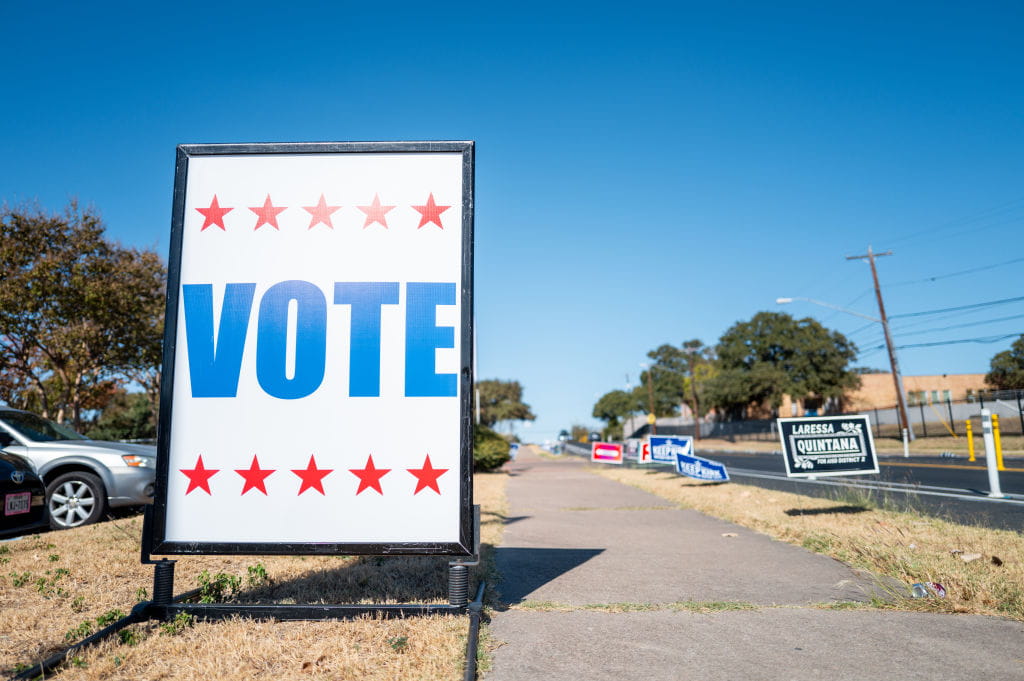
Early voting in the Texas primaries has begun, with March 3 marking the practical start of the midterm season as attention zeroes in on high-stakes US Senate contests amid Democratic momentum from a recent special election win in the state.
Early voting kicked off and the calendar now points toward a packed primary period, with local, statewide, and federal races all drawing interest. March 3 is being treated as the de facto kickoff for this midterm cycle, and campaigns are already setting narratives. The mood on the ground mixes cautious optimism from Democrats with a focused, disciplined effort from Republican organizers.
The headline prize everyone is watching is the US Senate slate, where control and influence in Washington hang in the balance. Republicans see this as a test of message discipline, turnout strength, and the ability to sell conservative solutions on the economy, border security, and energy. Democrats, energized by a recent special election win in Texas, are trying to translate that momentum into sustained gains across the state.
Local and statewide races may not grab national headlines, but they matter for building infrastructure and shifting the political map. County offices, judgeships, and state legislative seats shape policy in ways that directly affect everyday Texans. Republican strategists point out that success down-ballot is essential to maintaining a long-term governing majority and protecting conservative priorities at the state level.
The special election victory that lifted Democratic spirits is real, but it’s only one data point in a broader picture where turnout, candidate quality, and organizing matter most. Republicans argue that recent national policies and economic concerns give conservatives an advantage in persuasive arguments about leadership and fiscal responsibility. Meanwhile, Democrats are banking on energized bases and shifting suburban trends to keep them competitive in traditionally red areas.
On the ground, the GOP message is sharpening around a few clear themes: secure borders, predictable energy policies, lower taxes, and safer communities. Campaigns have been emphasizing performance and results over rhetoric, aiming to remind voters which party best aligns with their daily priorities. That pragmatic tone is intended to appeal to a wide range of Texans, from small-town families to suburban professionals.
Democratic messaging has leaned into the momentum narrative and targeted turnout among younger and urban voters, hoping to expand their coalition. They’re also spotlighting national issues where they believe they can make inroads, like healthcare affordability and democratic norms. The interplay between national themes and local realities will be decisive, since Texas is big enough that one strategy rarely fits every district.
Operational muscle — volunteers, field offices, early mail programs, and data-driven outreach — will likely decide more races than pundit predictions. Republicans emphasize that a disciplined ground game and steady turnout among core constituencies can blunt Democratic enthusiasm. Conversely, Democrats aim to convert recent gains into consistent voting patterns across multiple election cycles, hoping a single special election win becomes a trend rather than an outlier.
Media spin and nightly headlines will try to shape perceptions, but the campaigns that win will be those that show up where voters live and work. For Republican leaders, the challenge is to maintain unity and keep the focus on tangible results rather than inside-the-beltway debates. For Democratic operatives, sustaining energy and expanding the map requires patience and persistence in states once considered safe for the GOP.
As the clock advances toward March 3 and beyond, expect a tight, competitive atmosphere across Texas politics. The Senate contests will be watched closely for what they signal about national control, while local outcomes will quietly alter the balance of power in ways that matter to policy at every level. Whatever the immediate results, the primaries will set the tone for the longer fight over governance and priorities across the state.

