

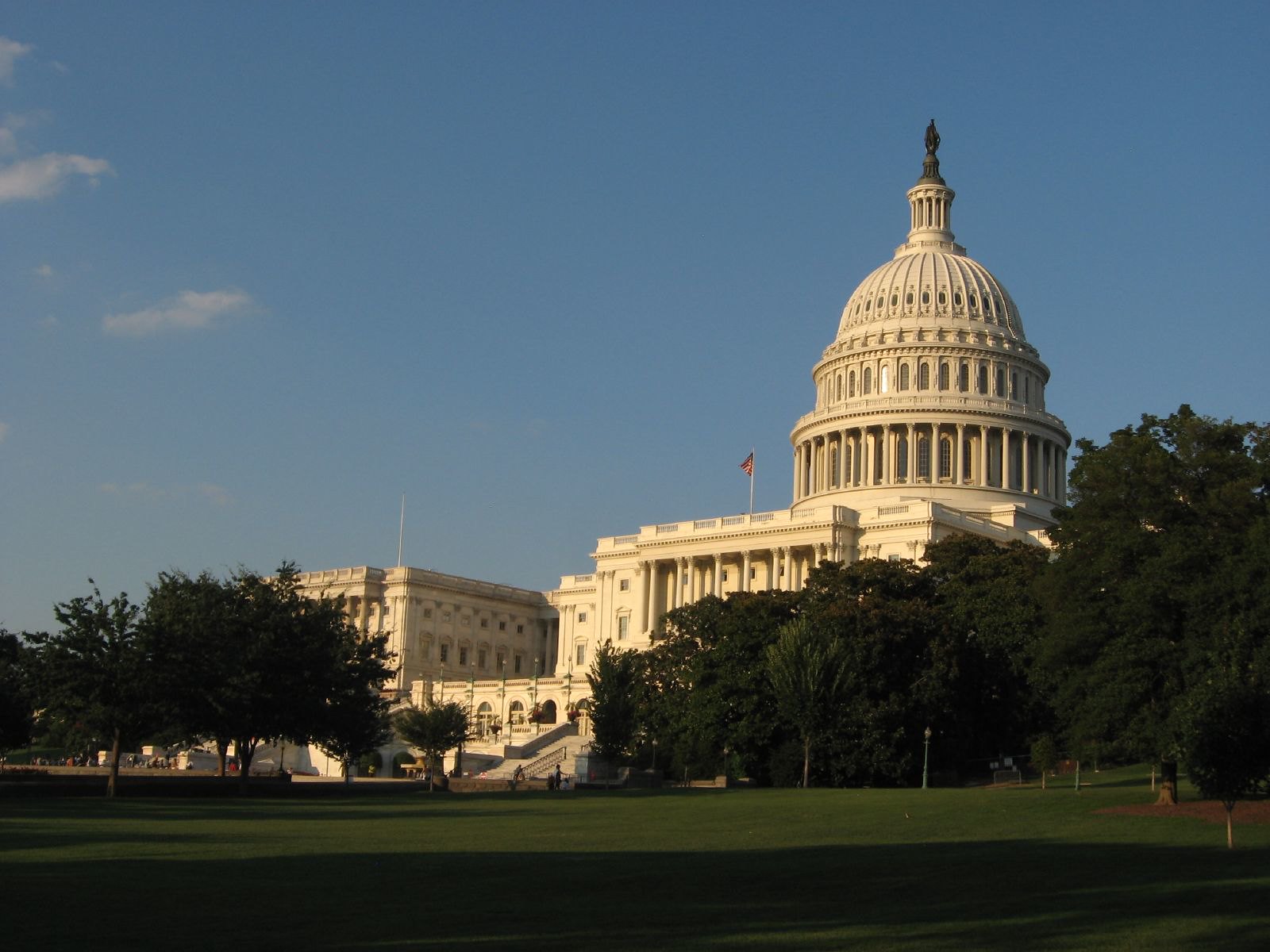
The talking filibuster deserves a fair shot as a tool to force public debate, test Senate majorities, and give voters a clear record of whether this Senate will fulfill its responsibilities to the American people.
The talking filibuster is worth trying. It is worth a public accounting of whether this Senate, in this moment, for this American people, can deliver on its duties.
Let’s be blunt: institutions matter and so do norms. The talking filibuster brings both into the light by requiring senators to stand and speak, or at least to make the Senate work under more visible rules rather than letting votes disappear behind procedural shortcuts.
Republicans, even when out of majority, should support mechanisms that expose choices and make lawmakers explain themselves. Forcing debate and public statements creates accountability the voters can actually see, and it puts responsibility squarely on those who vote for or against consequential measures.
There’s a practical edge here too. The talking filibuster reintroduces deliberation into a chamber that often runs on unanimous consent and closed-door deals. That sort of openness matters because it lets voters learn what their representatives believe and why, instead of watching policy get pushed through without explanation.
Consider the risk the other way: when the majority sidesteps meaningful debate, it risks hollowing out the Senate’s role as a deliberative body. A trial run of the talking filibuster tests whether the majority will govern through persuasion and public argument or whether it will prefer maneuvering behind the scenes to force outcomes without scrutiny.
Political fights will happen no matter what rules are in place, but rules shape how those fights play out. If senators must explain their positions on the record and in public, constituents get a true sense of who stands where and why, which strengthens representative government and sharpens electoral choices.
The talking filibuster also protects minority rights in the sense of preventing simple majorities from steamrolling complex, long-term policy with bare votes. That’s not obstruction for obstruction’s sake; it’s a guard against sudden, sweeping changes made without the buy-in or full debate a republic demands.
There’s an argument that the talking filibuster can slow necessary action. That’s fair, but we should weigh delay against the cost of driving policy without public debate. When changes are significant, the public deserves to hear the arguments first and to see who stands with the change and who opposes it.
At the same time, senators must use the tool responsibly. A talking filibuster shouldn’t be a permanent roadblock; it should be a procedural way to force conversation and clarify positions. If it’s used as intended, it won’t stop governance; it will improve the quality of decisions and the clarity of political responsibility.
What voters often punish is not debate but secrecy and sudden, unexplained shifts. The talking filibuster makes secrecy harder and forces clarity, which helps voters hold elected officials to account in the next election. That clarity benefits the entire political system by making consequences traceable back to specific votes and speeches.
We’re not naïve about partisan conflict. This will be messy, loud, and at times theatrical. That’s actually part of the point: democracy is messy and loud, and requiring senators to stand and speak puts the mess in public where it belongs instead of tucked away into procedural silence.
Finally, trying the talking filibuster is itself a test of confidence. If a majority truly believes its agenda is right for the country, it should be willing to defend it in the open. If it prefers to avoid defense, that says something powerful to voters about how that majority plans to govern.

