

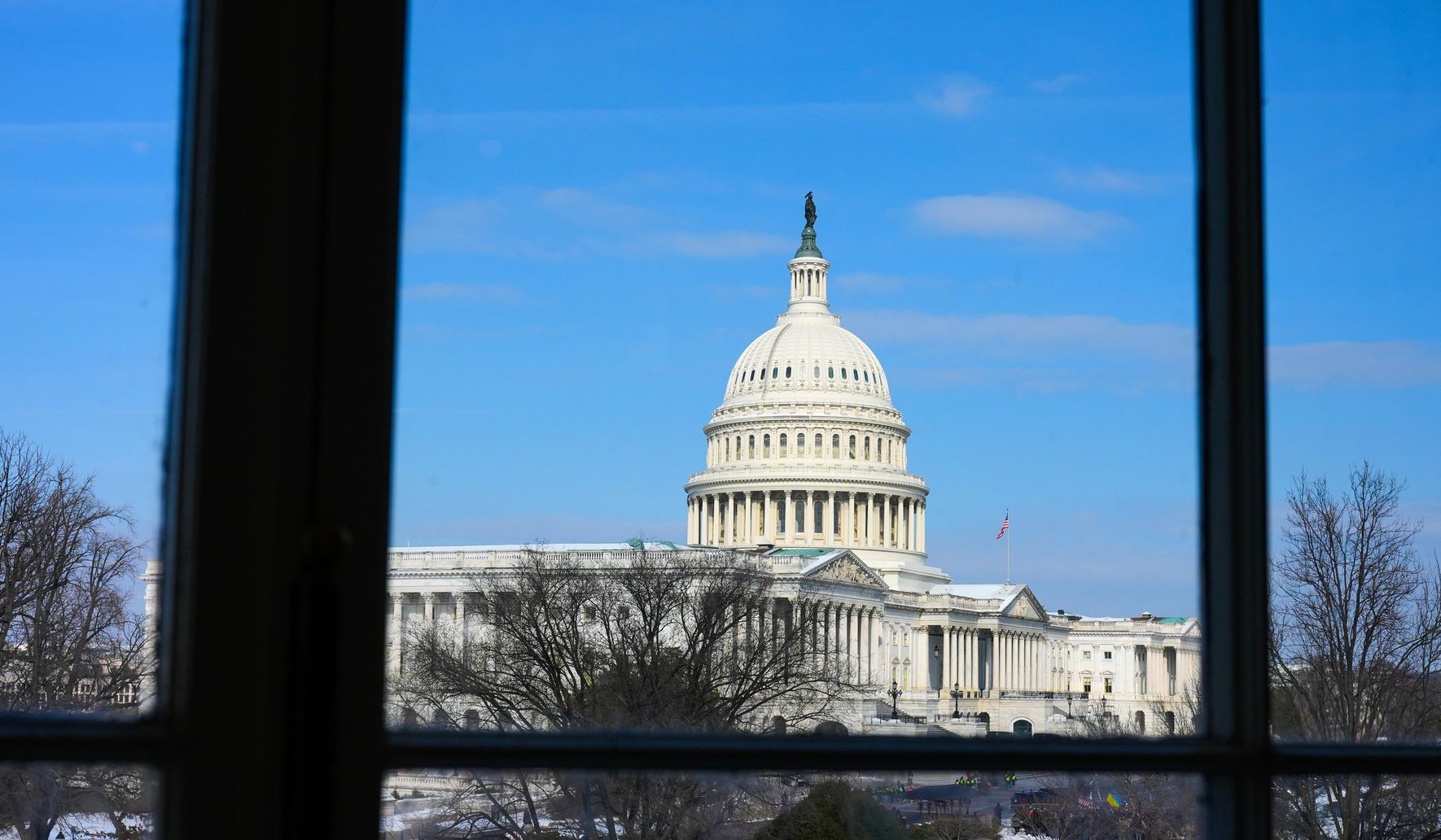
The House and Senate pushed their first votes of the week from Monday to Tuesday, giving members an extra day to return to Washington as a winter storm is forecast to affect the region.
Lawmakers learned that the first votes scheduled for the week were moved back a day, shifting action from Monday to Tuesday and creating breathing room for travel and preparation. The change is a practical response to weather forecasts and to the logistical realities of getting members and staff back to the Capitol. That single shift can ripple across committees and calendars without altering the overall legislative workload.
Leaders in both chambers typically make these adjustments when weather poses a safety concern or when a significant portion of membership faces travel disruptions. Pushing votes by 24 hours reduces pressure on flight and road schedules and gives offices time to rework briefings and talking points. For legislative teams, an extra day also helps finalize amendments and coordinate strategy on pending measures.
From a procedural perspective, moving votes early in the week is a straightforward tool for managing risk without cancelling work entirely. Committees can continue to meet remotely or reschedule markups as needed, and floor managers can reshuffle the list of priorities. While a single-day delay rarely changes the outcome of major measures, it can affect the timing of roll calls and the sequence of business.
Staff and security details must also adapt quickly when the calendar shifts, rerouting housing arrangements and transportation for arriving members. Capitol Hill operations rely on tight coordination among administrative offices, Sergeant at Arms personnel, and agency liaisons to keep everything running. Those behind-the-scenes changes are often invisible to the public but essential to making sure votes proceed smoothly once lawmakers reconvene.
For lawmakers representing states hit hardest by winter weather, the extra time can be crucial for constituent services and local coordination. Offices may need to cover storm response in their districts while also preparing for votes back in Washington. That dual demand on staff time underscores why modest schedule changes can have outsized practical benefits.
Weather-related postponements are not unusual, and Congress has a record of adjusting its calendar to match conditions on the ground. When storms or other disruptions arise, the leadership teams in the House and Senate weigh public safety, attendance, and the legislative agenda before announcing a change. Those decisions aim to balance the need to conduct government business with the responsibility to protect members, staff, and visitors.
As the forecast evolves, members and their teams will be watching travel advisories and updating plans accordingly, coordinating with leadership offices about priorities and logistics. The goal is to ensure votes proceed with informed participation once conditions permit, while minimizing last-minute surprises. Staffers will keep lines of communication open so the House and Senate can resume work as soon as it is safe and practical.

