

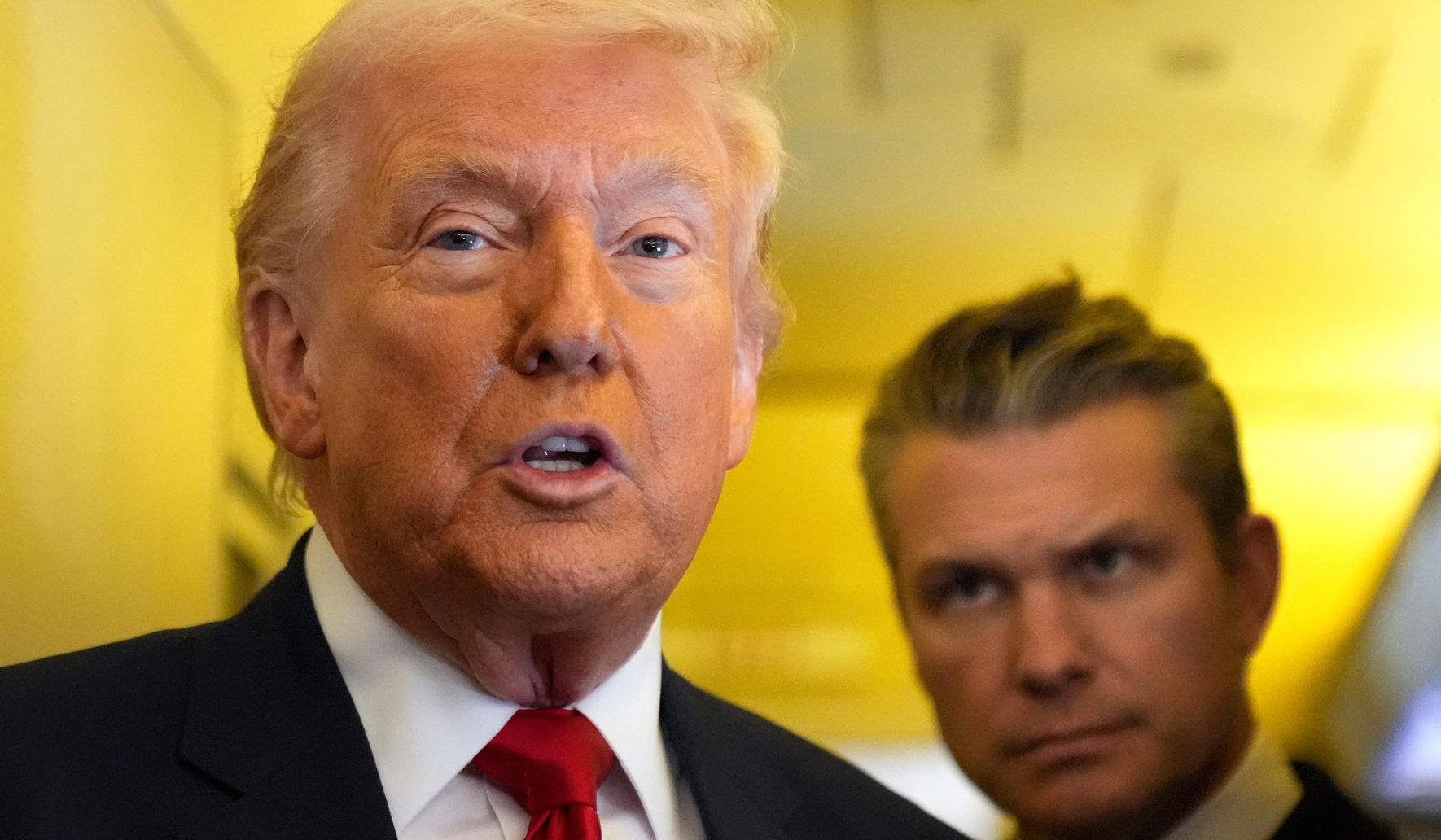
Oil surged past $100 a barrel on Monday, the first time in four years, and President Trump is telling Americans the pain at the pump is worth it as part of a broader stance on energy and national priorities. That shift in prices is reshaping conversations about supply, policy, and what voters should expect at gas stations this year.
Markets reacted sharply when benchmark crude climbed above $100 a barrel on Monday, signaling renewed strain in global supply and faster demand in some regions. Traders pointed to tightening inventories and geopolitical frictions that have trimmed available barrels on world markets. The price move immediately filtered down to retail stations, where consumers see the change in real time.
From the White House, President Trump framed the higher prices as an acceptable tradeoff for larger strategic goals and domestic policy wins. He argued that short-term pain at the pump supports longer-term advantages, including stronger domestic production and leverage over hostile regimes. That message lands differently across the political spectrum, but it is clear the administration is willing to stomach sticker shock for perceived gains.
Republican talking points around the spike focus on energy independence and market-driven responses rather than tax hikes or price controls. The party line emphasizes boosting U.S. production, removing regulatory bottlenecks, and relying on private investment to stabilize supply. Those approaches are presented as the most reliable route to long-term affordability without expanding government intervention.
Analysts warn that while increased U.S. output can help, it takes time to bring new supply online and to soften upward pressure on prices. Refining capacity, pipeline logistics, and international exports all play a role in how quickly relief reaches consumers. In the meantime, higher crude translates into higher pump prices and squeezes household budgets, especially for those with long commutes or fixed incomes.
On the political battlefield, higher gas prices are a vulnerability for incumbents, and Republicans recognize the risk just as much as Democrats do. The party frames the issue around choices: accept temporary pain to secure broader national priorities, or seek immediate relief through measures that might weaken long-term energy competitiveness. That rhetorical split underpins debates over strategic reserves, sanctions policy, and permitting reforms.
Energy companies are responding by accelerating drilling in promising shale plays and by reallocating capital toward regions with faster returns. Investors are watching profits and production reports for signs that U.S. output will ramp quickly enough to blunt the spike. If producers deliver, the market could cool; if not, volatility will stick around and Americans will feel the consequences at the pump.
Consumers and local officials are already adjusting, with some municipalities and employers rethinking travel and delivery plans to cope with higher costs. The real test will be whether market responses and policy nudges combine to ease prices before the next election cycle puts fuel costs front and center for voters. What happens next depends on supply decisions, international developments, and how quickly producers can meet the renewed demand.

