

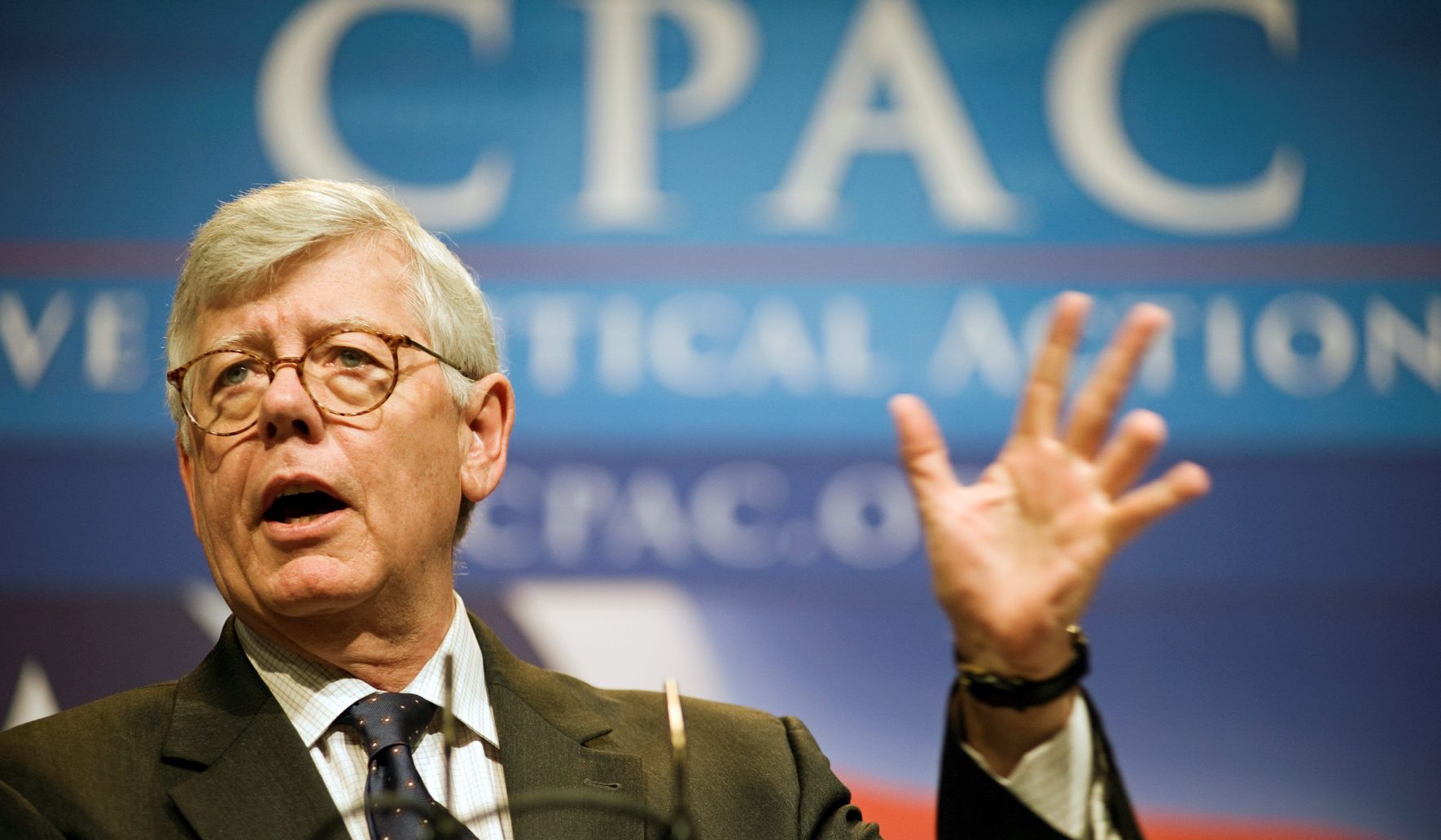
David Keene’s passing Sunday marks the loss of a conservative strategist who moved easily between local activism and the halls of Washington power, shaping the modern movement with steady leadership and an eye for practical politics.
David Keene was a familiar name to anyone who watched conservatism grow over recent decades, known for blending grassroots energy with Washington savvy. He could dig into the practical work of local politics while navigating the complex corridors of national influence. That dual gift is part of why his death Sunday landed hard for colleagues and younger activists alike.
He favored a hands-on approach, rolling up his sleeves and getting involved where it mattered most, whether at neighborhood meetings or policy briefings. Keene believed ideas had to meet the real world to survive, and he pushed conservative proposals to be both principled and workable. That practical streak kept him rooted in the concerns of ordinary voters, not just elite debate halls.
At the same time he knew how to work Washington rooms without losing his footing with the base. He treated institutional relationships as tools to be used, not trophies to be owned, keeping channels open between elected officials and grassroots organizers. That balance is rare, and it helped conservative priorities move from talk into action.
Keene’s style wasn’t flashy. He leaned on clear messaging, disciplined coalitions, and patient political craft rather than headlines or celebrity endorsements. He understood timing — when to push hard and when to hold back — and he taught others that steady work often wins what rhetoric alone cannot. For him, victory was built from steady gains, not grandstanding.
Mentorship was part of his legacy. He spent time training younger activists and staffers, showing them how to translate convictions into durable organizations and realistic plans. Those he worked with learned to respect both principle and process, and many of them carried those lessons into campaigns and policy shops. Keene’s influence can be measured in the people who continue to practice that blend of idealism and discipline.
Politically, he had a knack for turning friction into forward motion, bringing together factions that might otherwise have drifted apart. He did not confuse unity with uniformity; he welcomed debate but insisted on common purpose when action was required. That ability to weld diverse conservative strands into functioning coalitions helped projects survive the usual Washington churn.
He also kept an eye on long-term institutional health, ensuring organizations could endure beyond any one election cycle or season of outrage. That meant investing in infrastructure: trained staff, reliable funding practices, and an emphasis on governance that outlasts personalities. Those elements often fly under the radar but they are what let ideas persist and teams perform when pressure mounts.
Keene’s presence in public affairs extended beyond closed-door strategy sessions. He was at events, on panels, and in conversations that shaped public debate, translating policy ideas into straightforward arguments people could grasp. His public persona matched his internal work: focused, reasonable, and aimed at persuading rather than simply scoring points.
Reaction to his passing reflected the broad reach of his career. Partisans and pragmatists alike noted the calm he brought in tense moments and the continuity he offered across shifting political landscapes. That kind of steady leadership is rare, and it made him a go-to figure when complex choices had to be made.
Looking ahead, the conservative movement faces challenges that demand both grassroots vigor and institutional experience — the exact blend Keene exemplified. His way of working offers a practical template: build networks from the bottom up, keep lines open in the capital, and be willing to invest in the unglamorous work that produces durable results. Those who learned from him are likely to carry that approach forward.
Beyond tactics and institutions, his career underscores a simple political truth: ideas win when they are matched with organization and discipline. Keene’s life in politics reminded people that passion is necessary but not sufficient, and that patient, organized effort is how lasting change is achieved. His absence leaves a gap, but his methods remain a resource for those who want to keep moving conservatism forward.

