

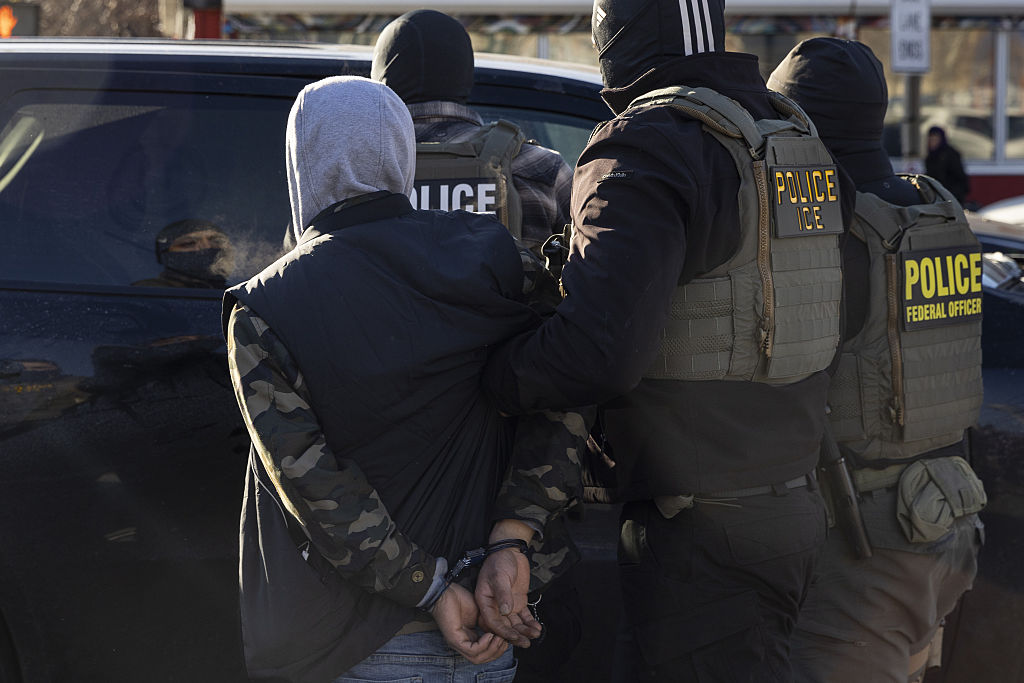
Vermont’s political posture has shifted well left of what many expect, producing tensions between local progressive priorities and federal law enforcement, especially over immigration policy and public safety.
Most Americans still picture Vermont as a quiet, rural state, but that image is outdated. Over recent years the state has moved sharply into progressive policy territory, adopting stances that surprise even some newcomers who left places like California. That political shift has created friction with federal authorities and fueled debates about enforcement, local control, and practical consequences for residents.
Some Vermont activists have openly challenged the federal government on immigration enforcement, even goading ICE to show up. That kind of posturing is meant to draw attention and test the limits of sanctuary-style policies, but it also risks creating real-world conflicts at the street level. When political theater replaces sober policy discussion, the people who live and work in a community pay the price.
Local leaders who prioritize permissive policies argue they are protecting vulnerable people and upholding compassion. Those are noble-sounding goals, but they clash with the basic responsibility of government to protect citizens and maintain order. From a Republican perspective, a state can be compassionate while still enforcing laws and securing borders—those objectives are not mutually exclusive.
The federal government has clear constitutional authority over immigration and national security, and Republicans contend that authority should be exercised to maintain rule of law. When state officials resist cooperation with federal agencies, it complicates investigations and can create safe havens for criminals who exploit jurisdictional gaps. That’s not a partisan talking point so much as a practical observation about how layered governance functions in the United States.
Taxpayers feel the consequences when local policies shift without regard for costs. Schools, hospitals, and law enforcement agencies are on the front lines of any demographic or policy change, and budgets don’t expand automatically to meet new demands. Republican critics argue that responsible governance requires clear accounting for how policies affect municipal services and who ultimately pays for them.
There’s also a safety argument at stake. Law enforcement officials need reliable cooperation to track suspects, prevent crime, and protect communities. When state or local authorities refuse to assist federal agencies, it hampers cross-jurisdictional work and creates blind spots. The Republican view favors coordination rather than confrontation, insisting that citizens deserve steady protection rather than political stunts.
Ideologically motivated actions meant to score points or test federal reactions play well in headlines, but they don’t solve underlying issues. Addressing immigration, housing, and public safety requires pragmatic solutions that balance compassion with enforcement. Conservatives in and out of Vermont argue for policies that secure borders, uphold legal processes, and focus resources on actual threats rather than symbolic gestures.
The tension between state policy and federal enforcement in Vermont is a case study in what happens when local governments lean hard ideological. It’s worth noting that even those who moved from other progressive states have been surprised by how far Vermont has gone. That reaction underscores how politics can shift quickly, and how policy choices ripple through communities in unexpected ways.
Ultimately, Republicans call for restoring common-sense governance—policies that defend citizens, respect the rule of law, and ensure accountability for public spending. That means practical cooperation with federal agencies when national mandates and security are involved, paired with real resource planning at the state and local levels. Vermont’s experiment in extreme progressivism is a reminder that governance without trade-offs is unsustainable.

