

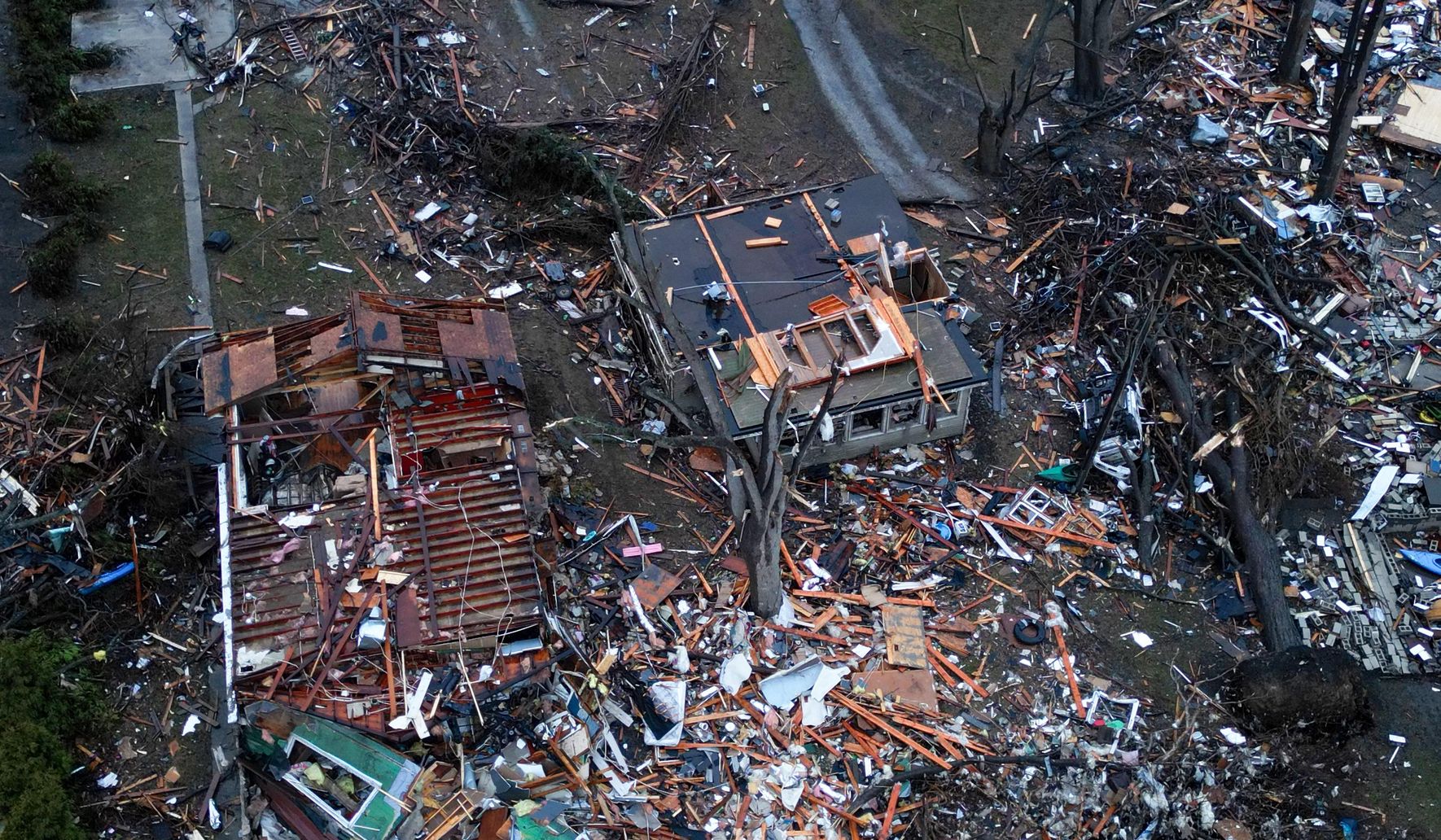
After a tornado damages a home, the dangers do not end when the storm passes. Unstable walls, gas leaks, downed utilities, and carbon monoxide from generators or cooking equipment can turn the first hours after the wind stops into the most dangerous ones.
When the sky clears, your instincts push you toward the house, but the scene can be unstable and unpredictable. Trees, wires, and structural damage hide risks that may not be obvious until you are dangerously close. Keep a calm, methodical approach to avoid making a bad situation worse.
Start by scanning from a safe distance for obvious hazards like leaning walls, snapped power lines, or damaged fuel tanks. If you see frayed wires touching water or the ground, assume they are live and stay well away. Report downed lines to emergency services and utility companies and wait for professionals to secure them.
Gas leaks are a silent killer after storms, so trust your nose and your senses. If you smell rotten eggs or hear hissing, leave the area immediately and avoid using anything that could spark, including lighters, phones, or light switches. Only trained technicians should turn gas service back on after a suspected leak.
Generators and grills save lives when power is out, but they also create carbon monoxide hazards when used improperly. Never run a generator inside a garage, basement, porch, or any partially enclosed space, and keep exhaust pointed away from windows and vents. Use battery-powered lighting instead of candles to reduce fire risk while you wait for power restoration.
Entering a damaged building calls for caution and planning; do not go inside alone and wear sturdy gloves, boots, and eye protection. Watch for nails, broken glass, and unstable flooring that can collapse underfoot. If the structure tilts or settles while you are inside, get out and stay clear until inspectors declare it safe.
Standing water can hide electrical hazards and contamination from sewage or chemicals, so avoid wading through floodwater unless it is absolutely necessary. If you must go through water, use a stick to probe for depth and submerged debris ahead of each step. Clean and disinfect anything that has been wet, and throw away porous items that cannot be thoroughly sanitized.
Document damage carefully for insurance and recovery purposes, but do so without putting yourself at risk. Take photos and videos from a safe distance, and keep records of any repairs, receipts, and communications with contractors or agencies. Never sign a contract or accept an offer without verifying credentials and checking for local licensing requirements.
Debris removal is physical and hazardous work; pace yourself and use proper tools and protective gear. Lift with your legs, not your back, and avoid trying to move large items by yourself. Keep children and pets away from cleanup zones where shifting debris and sharp objects are present.
Health risks extend beyond immediate injuries: contaminated water, mold growth, and stress-related illnesses can appear days or weeks later. If you experience dizziness, shortness of breath, or symptoms that could indicate carbon monoxide exposure, seek medical attention right away. Consider mental health support too; surviving a tornado often leaves emotional scars that deserve care.
Coordination with local officials speeds recovery and keeps you safer than acting alone. Follow evacuation orders, respect safety perimeters, and use official shelters and aid distribution points when available. Keep copies of identification and insurance information in a waterproof container so you can access them quickly during the recovery process.
Insurance claims and rebuilding take time, and scams tend to follow disasters, so be wary of high-pressure repair offers or contractors demanding full payment up front. Check references, insist on written estimates, and verify that any contractor has proper licensing and insurance. Stay patient and prudent; careful choices now reduce risks and costs later on.

