

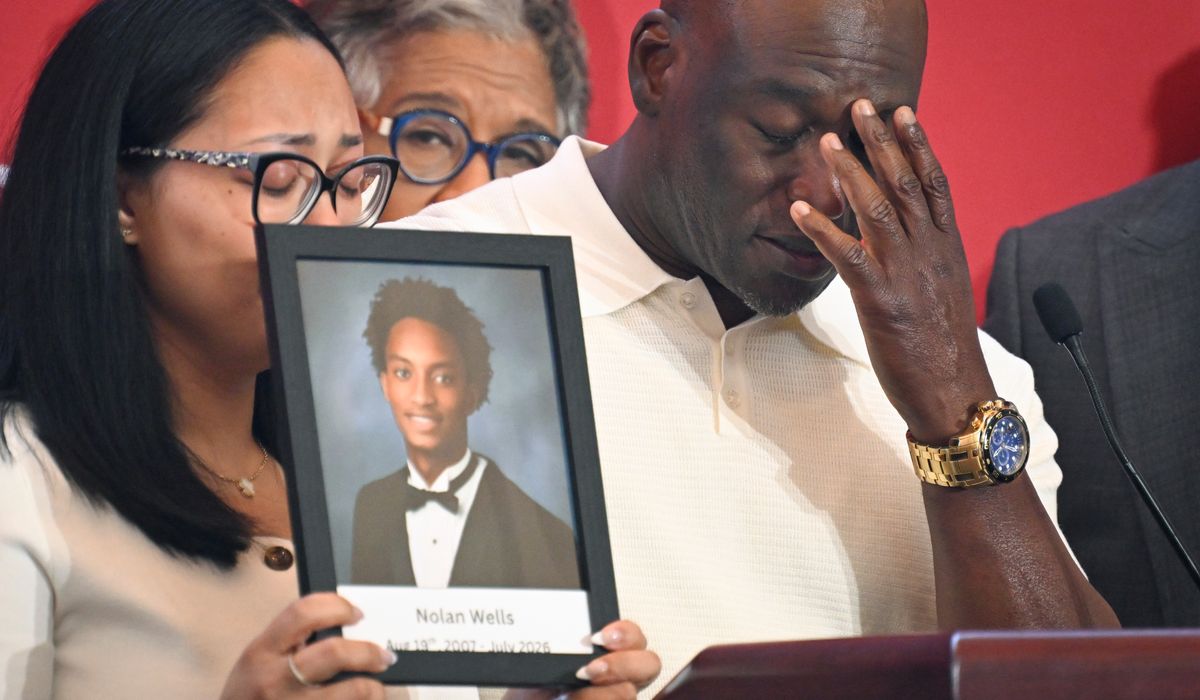
A Sacramento man has been charged after authorities say he sent threatening messages to a Mississippi judge whose son was among friends with 18-year-old Nolan Wells, who vanished during a July 4 incident.
The case centers on a 27-year-old Sacramento man accused of targeting a Mississippi judge with threatening communications. The judge’s son was one of the friends who were with 18-year-old Nolan Wells when Wells disappeared on July 4, and the threats have added another layer of tension to an already painful situation for the family and community.
Local and out-of-state officials are handling the matter carefully, balancing the investigation into the disappearance with the separate inquiry into the threats. Authorities typically prioritize safety for judges and their families, and alleged threats trigger coordinated responses from multiple agencies. That standard procedure is intended to protect judicial independence and ensure investigations can proceed without intimidation.
For the family of Nolan Wells, the arrival of threatening messages against a judge connected by the friendships only intensifies an already fraught atmosphere. Missing-person cases often generate intense public interest and heated online commentary, and that environment can sometimes produce individuals who escalate rhetoric into criminal behavior. Regardless of motive, threats aimed at judges cross legal lines and require a swift, formal response.
The age details are central: the accused is 27 and Wells was 18 when he vanished, which frames the social circle involved and the sensitivities at play. Young adults and teens at social gatherings sometimes find themselves at the center of investigations, and the fallout can reach beyond immediate participants. Friends, family members and entire communities watch closely for answers, which can slow as parallel investigations unfold.
Investigators are likely to separate the probe into the disappearance from the probe into the threatening messages while coordinating where necessary. That separation keeps each line of inquiry focused on its own evidence and witnesses, while coordination ensures that information relevant to both matters isn’t overlooked. Legal officials and law enforcement usually avoid allowing one criminal matter to derail work on another.
Threats directed at members of the judiciary are treated seriously because they strike at the rule of law and the ability of courts to function free of coercion. Judges and their families can be vulnerable targets when cases draw public ire, and law enforcement agencies generally deploy protective measures until cases stabilize. The criminal justice system depends on keeping its participants safe so that due process can play out without fear.
Community reaction to both the disappearance and the alleged threats tends to be intense, with a mix of worry, anger and calls for transparency. Missing-person cases on holiday weekends like July 4 often attract additional attention because of the social context and the expectation of safety during celebrations. That attention can help or hinder progress, depending on whether it produces credible leads or fuels unhelpful speculation.
Legal consequences for sending threatening messages can range based on the content and means of delivery, but charges reflect the seriousness of intimidating a judge or judicial family. Prosecutors typically consider factors like intent, credibility of the threat and any history of similar behavior. If convicted, defendants can face penalties that aim to deter future threats and protect judicial officials and the public.
Officials handling the disappearance and the threats will likely emphasize caution in public statements to avoid compromising ongoing work. Families and community members often want quick answers, but investigations require time to gather evidence, follow leads and build cases that will stand up in court. Patience is difficult but necessary when the stakes include both a missing person and the safety of those connected to the judicial process.
As the two matters proceed, observers should expect updates from law enforcement and court filings that clarify charges, protections and investigative steps. Maintaining public trust means sharing verified information at appropriate times and allowing legal mechanisms to operate without undue influence. For now, the charged individual’s alleged actions have become another headline in a story that began with an 18-year-old’s disappearance on July 4 and has expanded to involve a judge’s family and concerns about threats to the justice system.

