

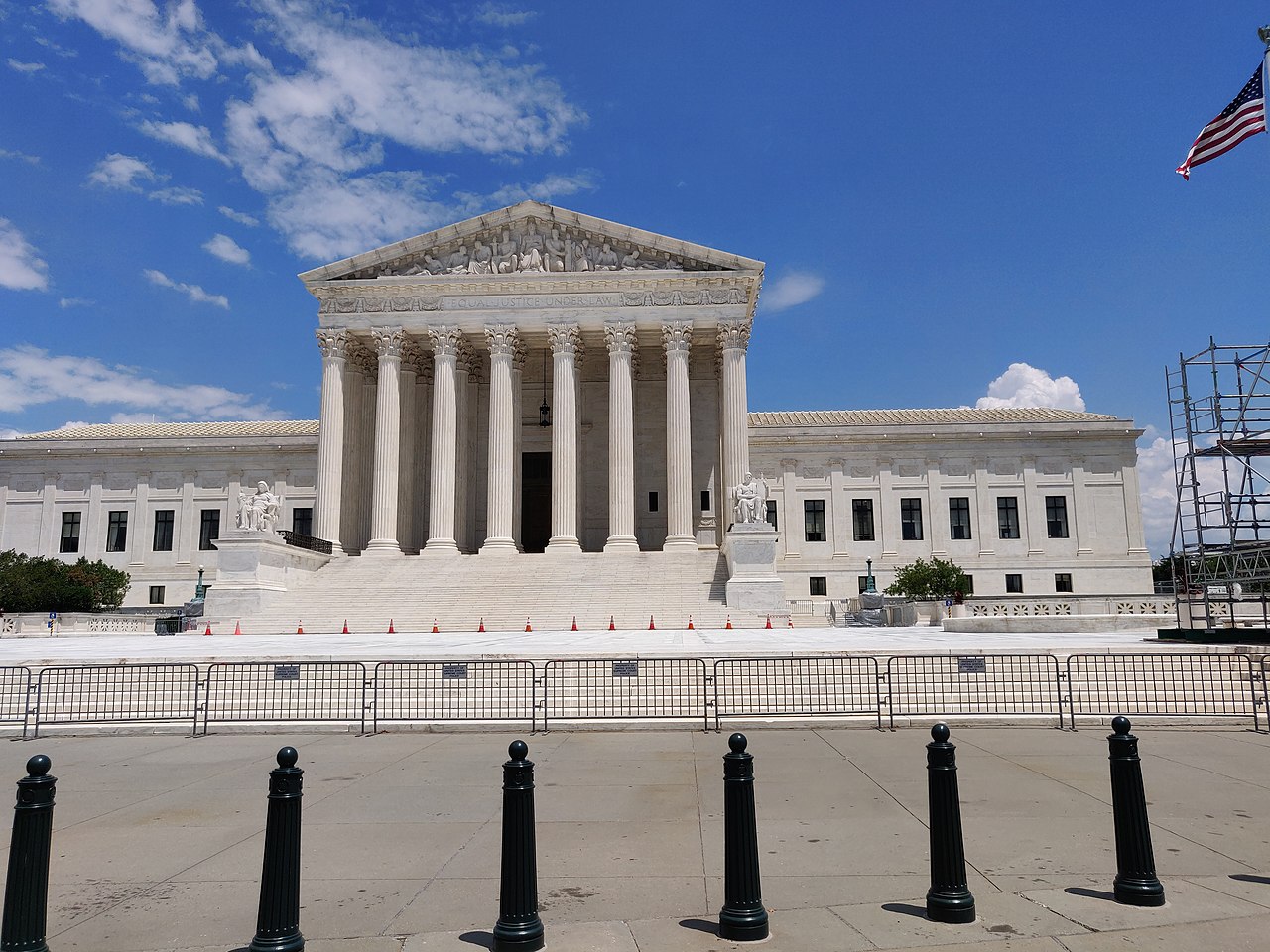
The U.S. Supreme Court has agreed to take up a pair of cases centered on a core tenet of President Trump’s deportation policy, announcing in an unsigned order that it will hold oral arguments the second week of the court’s April argument session in Noem v. Doe and Trump v. […].
The court’s decision to hear Noem v. Doe and Trump v. […] lifts the dispute from regional and appellate courts into a national spotlight. At issue is a central part of immigration enforcement that has driven policy debates for years. The timing and selection signal the justices see a need to resolve a conflict that affects how the federal government removes people from the country.
These cases are not just technical arguments over procedure, they probe the boundaries of executive power on immigration. For conservatives, the executive branch must have clear authority to enforce the law and protect communities. The litigation asks whether courts can substitute their judgment for policies set by elected leaders.
Lower courts have struggled with conflicting rulings and complicated standards, leaving agencies without firm guidance. That uncertainty has practical consequences for agencies that must act on limited resources and pressing security concerns. A decisive Supreme Court opinion can restore predictable rules for both enforcement officials and the public.
From a Republican perspective, the core principle is simple: the president and federal agencies need room to carry out immigration policy chosen by voters and their representatives. Courts should respect Congress’s text and the executive’s discretion where statutes allow enforcement priorities and removal authority. Judicial overreach can freeze policy in place and hamstring officials trying to respond to changing conditions at the border and in communities.
The legal questions likely to be argued include the scope of statutory authority, the proper role of administrative procedures, and how constitutional protections apply in removal proceedings. Those are important, technical issues that will shape how broadly or narrowly the government can act. The stakes are high because the answers will guide future administrations, not just this one.
Politically, the cases also matter because they touch on enforcement priorities that voters care about, such as public safety, backlog reduction, and the integrity of the immigration system. Elected officials on both sides will watch the outcome for its policy implications heading into the next election cycle. A clear ruling can reduce political noise by putting a legal framework in place for enforcement choices.
The court’s April argument session gives a predictable timeline for when the country will get answers, and observers expect intensive briefing and focused oral argument. The justices have a history of resolving similar disputes when circuits split on important federal questions. Whatever the decision, it will set binding precedent that shapes agency action and judicial review for years to come.
For Republicans who favor firm immigration enforcement, the ideal outcome is a ruling that affirms executive discretion within the bounds Congress provided. That would allow officials to prioritize removals in line with policy goals while still observing constitutional safeguards. Clarity from the high court would end years of uneven interpretation and allow officials to get back to enforcing the law as elected leaders intended.
The cases also represent a test of institutional balance between the branches, and the Supreme Court’s role in policing that line. Judges must apply the law without substituting their policy views for political choices entrusted to elected officials. Those watching from a conservative standpoint will be ready to defend an outcome that restores clear, workable rules for immigration enforcement.

