

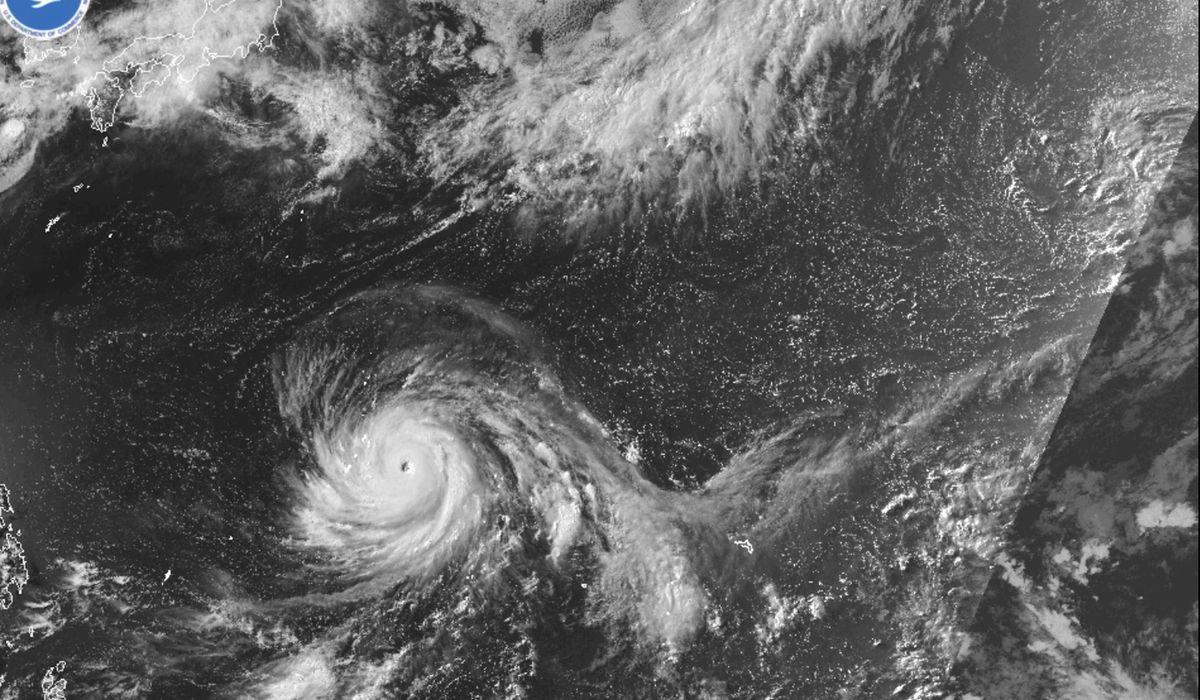
Officials warned residents across Guam and nearby U.S. Pacific islands to shelter as Super Typhoon Bavi bore down, with forecasts calling for a possible early Monday landfall and significant impacts to communities already vulnerable to storm damage.
Local authorities pushed evacuation orders and shelter advisories as the storm approached, urging people to secure homes and gather essential supplies quickly. Power companies and emergency teams mobilized crews to respond, staging equipment where access routes remained open. Communication networks warned of interruptions, so residents were told to prepare for limited service.
Forecast models showed the storm tracking through the western Pacific toward U.S. island territories, but exact timing and intensity remained uncertain. That uncertainty complicated planning for hospitals, shelters, and supply lines, especially on islands with limited infrastructure. Emergency managers emphasized flexibility and rapid response once impacts became clearer.
Storm surge and coastal flooding were top concerns for low-lying communities, where waves can push well inland and damage homes and roads. Rainfall from a slow-moving storm multiplies the threat by increasing runoff and overwhelming drainage systems. Residents near beaches and river mouths were advised to move to higher ground if ordered by officials.
Officials also warned of destructive winds that could down trees and power lines, creating hazards for people and emergency crews alike. Securing loose outdoor items and reinforcing windows can reduce flying debris and structural damage. Many community centers and schools were readied as shelters to provide safe spaces for those displaced by wind or flooding.
Supply chains on remote islands are fragile, so pre-positioning food, water, fuel, and medical supplies was a priority before the storm arrived. Transportation disruptions can delay relief for days, so local stockpiles matter more than ever. Authorities coordinated with federal and regional partners to move resources into staging areas while roads and ports remained passable.
Health facilities in the islands prepared for surges in demand while safeguarding critical equipment and records from water and wind damage. Backup generators and fuel reserves were checked, and nonessential procedures were postponed to free capacity. Public health messages focused on staying safe during and after the storm, including avoiding floodwaters that can hide hazards and contaminate supplies.
Community networks, neighborhood volunteers, and local leaders played a big role in informing residents and checking on vulnerable neighbors. In tight-knit island communities, word of mouth and local radio remain lifesavers when other systems fail. Officials encouraged residents to follow verified updates from emergency management and to use battery-powered radios when necessary.
After the storm passes, assessment teams will survey damage, restore critical services, and prioritize repairs to roads, water systems, and electrical grids. Recovery can take time on islands where bringing in heavy equipment depends on sea and air access. Authorities urged patience and cooperation as response efforts get underway to restore normalcy.

