

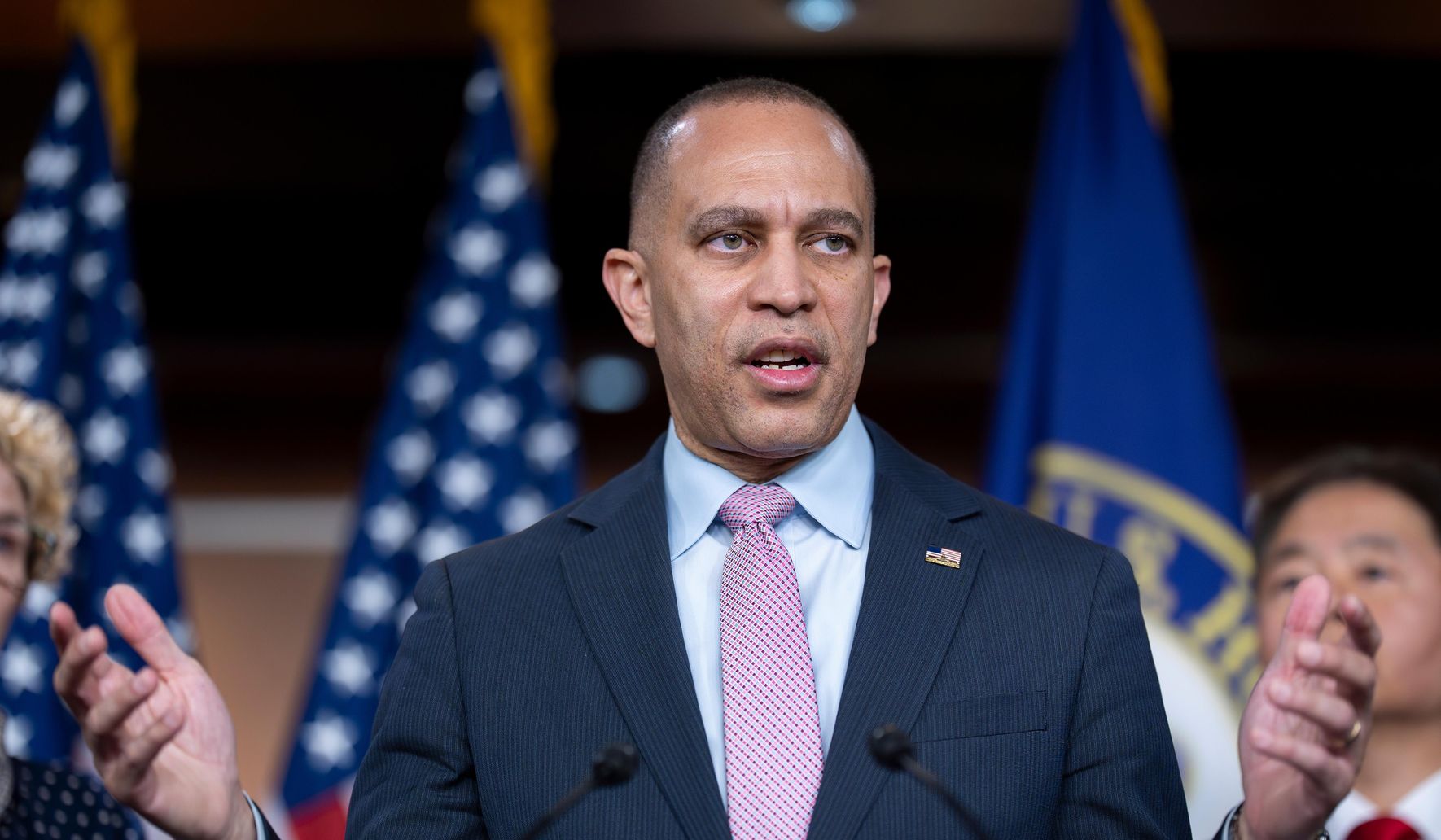
More and more Democratic candidates heading into the November midterms won’t commit to backing Hakeem Jeffries as House minority leader, a sign of growing unease inside the party that could reshape messaging, recruitment, and voter confidence ahead of the election.
More and more Democratic candidates heading into the November midterms won’t commit to backing Hakeem Jeffries as House minority leader. That line captures a clear moment of hesitation inside the Democratic fold, where local politics and national strategy are colliding. For Republicans, the split offers a strategic opening to frame Democrats as divided and directionless.
Across multiple districts, Democratic hopefuls are signaling caution, and that reluctance is more than a local footnote. Candidates who face swing voters often avoid national endorsements to keep options open and avoid national baggage. The result is a party voice that sounds fragmented when voters are listening for clarity.
Hakeem Jeffries has been a recognizable face for Democratic leadership in the House, but recognition does not guarantee unanimous support. Lawmakers and candidates weigh the benefits of aligning with party leadership against the risks of alienating moderate or independent voters. That calculation matters most in competitive districts where turnout and persuasion decide outcomes.
From a Republican angle, this dynamic is something to exploit without overreaching. Pointing out Democratic uncertainty can be a clean, fact-based line of attack in campaign ads and debates. Republicans can emphasize unity, local focus, and a coherent policy pitch while letting Democratic unease fill the background noise for voters.
Party leadership matters for fundraising, messaging, and organizational coherence, and uncertainty about the minority leader can hamper all three. If candidates publicly distance themselves from Jeffries, it can complicate coordinated messaging and make it harder to rally national donors around a single plan. Donors and activists watch these signals and often change their behavior when a party looks unsure.
Local contexts drive many of the decisions we’re seeing. In districts that voted for the other party in recent cycles, Democratic candidates may feel pressure to adopt a more independent posture. That strategy can work for individual races, but it also leaves the national party looking like a coalition without a central voice.
There is also a generational and ideological spread within the Democratic caucus that contributes to the reluctance. Progressive lawmakers and moderates sometimes prefer different routes to power and different priorities once they get there. When those internal disagreements play out in public, they give Republicans a simple message: Democrats are busy arguing and not focused on delivering results.
For voters, the practical consequence is confusion at the ballot box. When candidates refuse to endorse their own conference leadership, it signals uncertainty about policy, messaging, or electoral strategy. Voters who value clear leadership and accountability may respond by favoring candidates who present a unified, decisive alternative.
Republican campaign teams are likely to keep their response measured and targeted, stressing competence and unity rather than overhyping the division. Effective messaging will note the disagreement and contrast it with Republican cohesion on key issues like the economy, national security, and public safety. That contrast is more persuasive when it’s concrete rather than rhetorical.
Meanwhile, Democratic operatives face a trade-off: press candidates to align and risk local backlash, or allow individual independence and accept a looser national brand. Either path has electoral consequences for November, and the cumulative effect could shape which party controls the House. The stakes are high for both sides as the calendar ticks toward Election Day.
Ultimately, the hesitation around Hakeem Jeffries is a symptom of deeper questions about messaging, electability, and control inside the Democratic Party. Republicans will use that symptom to sharpen their own talking points and push for clearer contrasts. Voters will watch how both parties handle the next few months, and those choices will matter at the polls.

