

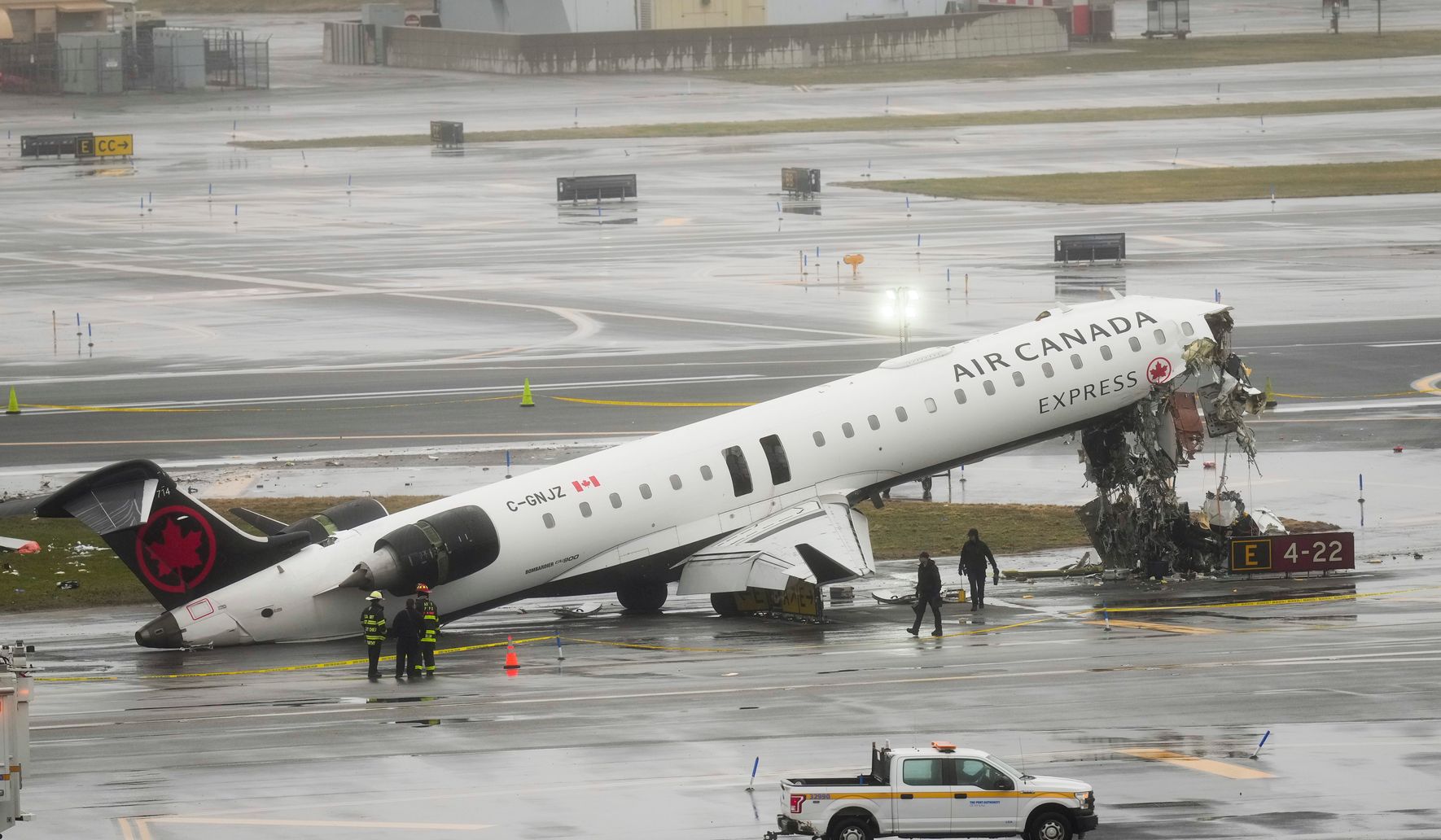
A deadly ground collision at LaGuardia late Sunday has renewed scrutiny of air traffic controller staffing at the nation’s busiest airports, highlighting an environment where hundreds of runway incursions occur and questions about capacity, training, and oversight are coming into sharper focus.
The collision occurred on airport property at LaGuardia late Sunday and was described as deadly, immediately drawing attention to how closely coordinated ground operations must be. LaGuardia operates under intense pressure, with tight taxiways, frequent arrivals and departures, and a constant stream of ground vehicles and aircraft. That mix makes even small mistakes potentially catastrophic.
The incident has reopened a broader conversation about infrastructure and personnel at major hubs, where “hundreds of runway incursions” are reported annually and near misses are a recurring concern. Incursions can involve aircraft, service vehicles, or pedestrians crossing active movement areas, and each event exposes how thin margins can be when traffic density is high. Airports of this scale demand systems and staffing models that can handle peak complexity without slipping.
Air traffic control staffing is central to that equation, and managers across multiple facilities often point to a tight labor market and a lengthy training pipeline as limiting factors. Controllers require significant on-the-job experience before taking sole responsibility for complex airspace and ground operations, which means staffing shortfalls don’t fix themselves overnight. The gap between hiring and full qualification can leave schedules stretched and increase reliance on overtime or temporary reassignments.
When controllers are pushed into extended shifts or moved between unfamiliar towers, the risk of communication lapses and coordination errors rises, and fatigue becomes a real operational hazard. Fatigue is not just about hours on the clock; it affects judgment, reaction time, and the ability to keep track of multiple moving elements. Airport operations sensibly rely on redundancy, but redundancy breaks down if the underlying workforce is thin or unevenly experienced.
Beyond manpower, technology and procedures play a role in preventing ground conflicts, with tools like ground surveillance radar, automated alerts, and improved visual guidance helping to reduce uncertainty. Yet technology cannot replace clear radio calls, disciplined taxi routes, and strict adherence to published procedures, especially in constrained airfields. The most effective safety approach blends capable people, useful tools, and rigorous procedural discipline.
In the aftermath of a deadly collision, federal and local authorities typically launch inquiries to piece together timelines, communications, and system behavior leading up to the event. Those investigations look at controller logs, radio transmissions, vehicle movements, and recorded surveillance to determine contributing factors and potential fixes. The goal is to identify practical changes that reduce the chance of repetition while preserving overall traffic flows at a busy airport.
Public confidence in airport safety hinges on visible steps that reduce obvious risks and make operations more transparent, whether that means clearer staffing plans, targeted investments in ground monitoring, or tightened procedural checks during high-traffic periods. Communities that rely on large airports expect authorities to balance capacity with safety, and incidents like this underscore why that balance matters. Responses in the coming days and weeks will shape how officials address the underlying vulnerabilities exposed by the collision.

