

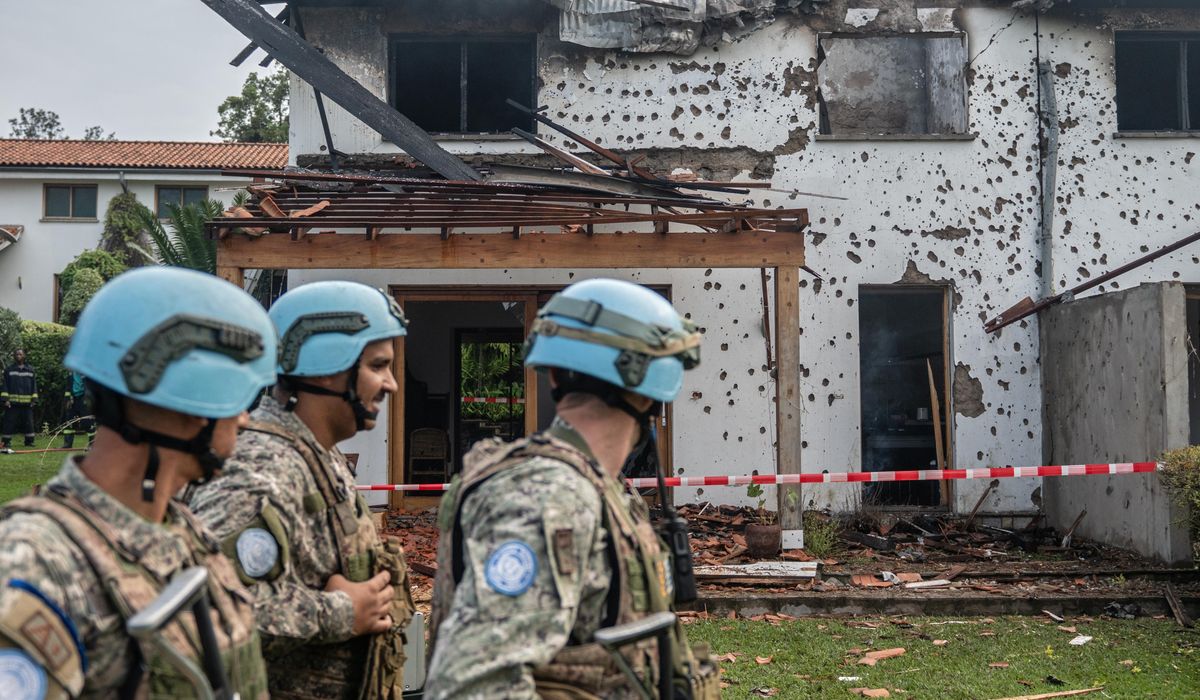
The United Nations’ acting top envoy told the Security Council that fighting in mineral-rich eastern Congo is growing worse and spreading, with combatants increasingly using heavy weapons and other means that deepen the crisis.
The fighting in eastern Democratic Republic of Congo is intensifying and moving into new areas, officials report. Armed groups are clashing more frequently, and the violence now reaches communities that had been relatively stable until recently. Civilians caught in the middle face mounting danger from both targeted attacks and indiscriminate violence.
Eastern Congo’s vast mineral wealth has long been a factor in the violence, drawing armed groups that profit from illicit extraction and trafficking. That economic incentive fuels competition over territory and supply chains, making the conflict harder to resolve. Local rivalries blend with criminal networks, creating a patchwork of armed actors with shifting alliances.
Humanitarian needs are rising sharply as the conflict expands. Displacement has surged, with families fleeing to makeshift camps or trying to return to damaged homes. Aid agencies are stretched thin trying to deliver food, shelter, and medical care while navigating insecurity and limited access.
There are growing concerns about heavier weaponry appearing in clashes, which raises the stakes for communities and peacekeepers alike. When battles involve artillery, armored vehicles, or other powerful arms, casualties and destruction increase dramatically. The use of such weapons also complicates efforts to protect civilians and maintain humanitarian corridors.
Regional dynamics play a role in the crisis, as neighboring states and external actors sometimes have interests tied to stability or resource access. Cross-border movement by armed groups and illicit trade can spread violence beyond any single province. That makes the conflict a regional security challenge as well as a national emergency.
The United Nations and its partners face a difficult task in responding to the worsening situation. Peacekeeping operations must balance protection priorities with strict rules of engagement and limited resources. Diplomacy and targeted sanctions are part of the toolbox, but on-the-ground security and humanitarian support remain immediate needs.
Local civilian defense groups and community leaders also factor into how the conflict unfolds. In areas where state authority is weak, residents sometimes form ad hoc forces to protect themselves, which can lead to cycles of reprisal or unintended escalations. Strengthening local governance and rule of law is essential to reduce that pressure and restore public services.
Efforts to disrupt illegal mineral networks are crucial but challenging, given the layers of corruption and clandestine trade. Transparency in supply chains, tougher enforcement, and international cooperation can reduce the profitability of smuggling. However, economic solutions must be paired with political and security measures to be effective.
Humanitarian access remains one of the most urgent practical problems on the ground. Aid convoys and health teams often encounter roadblocks, insecurity, or obstruction, limiting relief to those who need it most. Securing reliable routes and protecting aid workers are immediate priorities if the growing crisis is to be contained.
Any durable response will require coordinated action across diplomacy, security, and development sectors. Short-term protection and relief must be combined with longer-term investments in governance, justice, and economic alternatives for vulnerable communities. Without that mix, cycles of violence linked to resource competition are likely to continue reshaping the region.

