

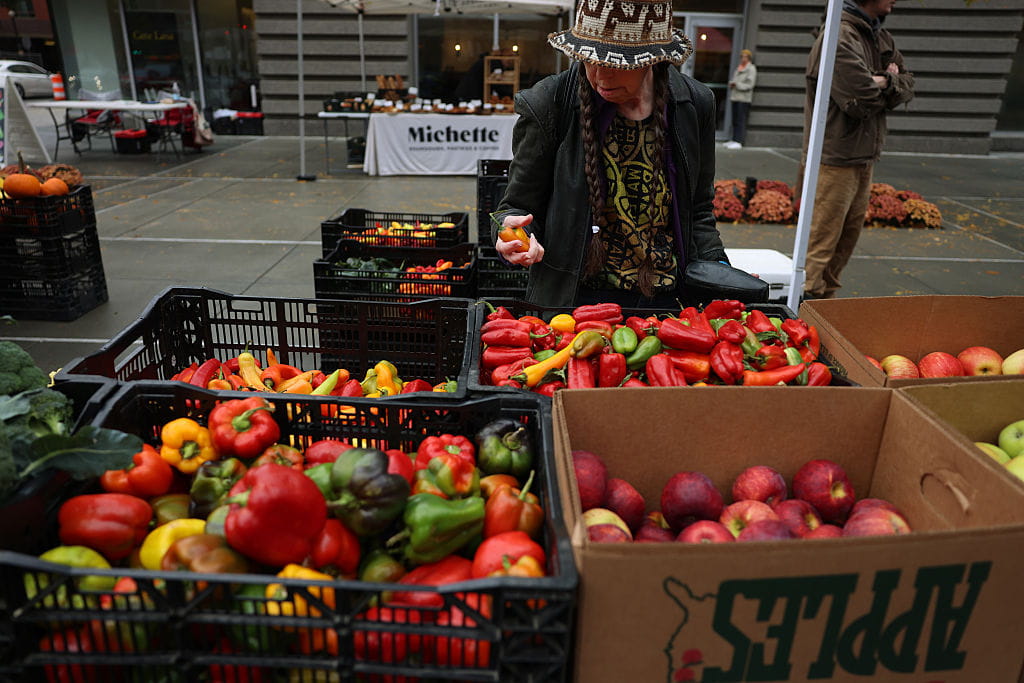
Farmers markets are more than a place to buy produce; they’re community crossroads where food, trade, and everyday life intersect in visible, useful ways.
Walk into a farmers market and you’ll notice it’s not just about tomatoes and bread; it’s about people trading more than goods. Stalls draw neighbors, farmers, and makers into direct conversation, shrinking the distance between producer and eater. That face-to-face exchange changes how people relate to food and to each other.
Local growers benefit because selling directly keeps more money in the community instead of shipping margins out to distant distributors. Small producers can charge fair prices and get immediate feedback, which helps fledgling farms survive and scale. Over time that circulates capital locally and supports diverse, resilient food systems.
“These shopping choices can improve social health as well as diet.” The phrase rings true when you see families lingering, friends catching up, and older residents finding a weekly rhythm. Social interaction at markets builds informal networks that often translate into mutual aid, volunteerism, and stronger neighborhood ties.
Markets invite transparency about how food is grown, raised, and handled, which matters to buyers who want to make informed choices. Conversations at a stall reveal growing methods, animal care, and harvest timing in a way a packaged label never will. That clarity encourages consumers to think seasonally and to value stewardship over uniformity.
Eating seasonally through a market routine nudges diets toward variety and freshness, and that has real nutritional advantages. When people buy what’s ripe, meals often include more fruits and vegetables and fewer processed options. The habit of shopping small and often also reinforces cooking skills and meal planning centered around whole foods.
Environmentally, concentrated local sales reduce the need for long-haul refrigeration and complicated logistics, trimming some carbon and waste from the food chain. Markets favor smaller batches and often lead to less packaging because producers sell directly into customers’ containers or simple wraps. Those modest efficiencies add up, especially in towns and mid-sized cities.
Beyond economics and ecology, markets incubate entrepreneurship: bakers, fermenters, cheesemakers, and artisans test products in real time with a live audience. Successful vendors can turn weekend tables into year-round businesses by building loyal customer bases on trust and repeat visits. That low-barrier testing ground fuels innovation and keeps local culture lively.
On Apr 19, 2026, many communities still relied on markets to boost food access and community health, and that reality points to a broader civic role. Municipal planners and neighborhood groups often use markets as anchors for revitalizing underused plazas and supporting public events. When designed thoughtfully they become reliable public spaces that knit commercial activity and civic life together.
Practical perks matter too: markets shorten supply chains, reduce spoilage, and make it easier for customers to ask questions and compare prices directly. They also create predictable occasions for people to meet and for local information to flow, from recipe tips to volunteer opportunities. Those small practical benefits compound into stronger neighborhoods and smarter shopping habits.
For families, seniors, and anyone wanting to plug into local rhythms, markets are low-friction ways to connect to food and people without corporate buffers. They turn routine purchases into social rituals and let communities reclaim part of their food economy. The result is a healthier pattern of consumption and daily life that extends beyond what’s on the table.

