

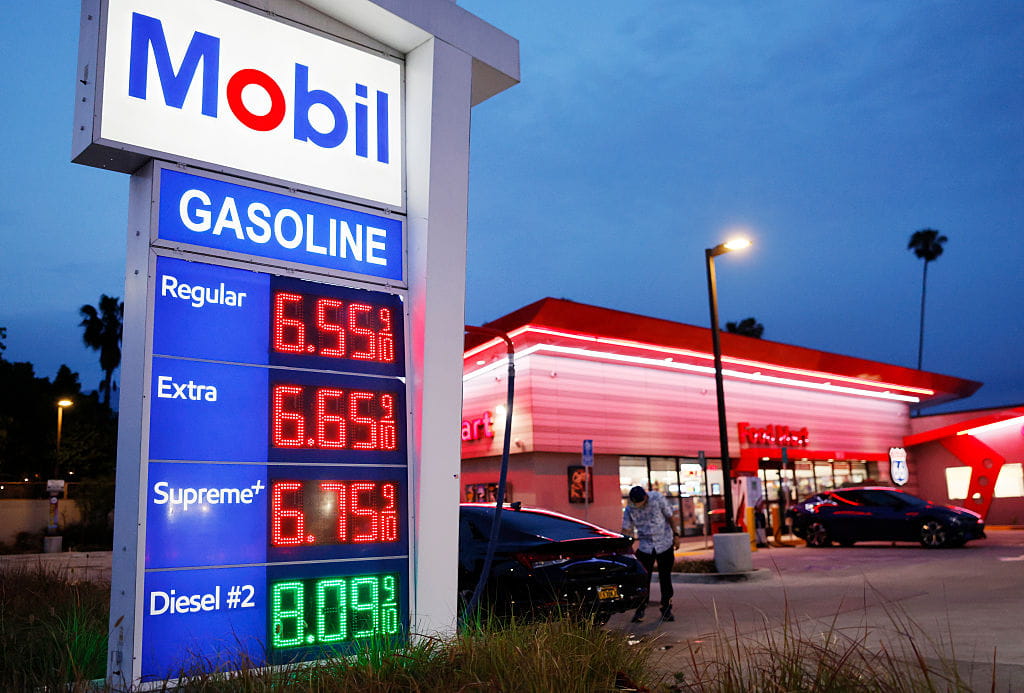
High fuel costs, a president tied up in a foreign conflict, and a stalled Republican Congress set a tense scene for the GOP as it looks toward 2026.
Gas prices are stubbornly high and everyday Americans feel it at the pump and in their budgets. The president is visibly entangled in a foreign war, which complicates the national conversation about priorities and leadership. Against that backdrop, voters are watching how Republicans respond to practical issues they care about most.
One of those practical issues is something the public broadly supports, described by insiders as an “80/20” issue where most Americans agree on sensible action. Yet despite the clarity of public sentiment, congressional Republicans have struggled to translate agreement into law. That failure to move on a popular, straightforward policy point has undercut the GOP’s ability to claim effective stewardship.
The political calculus is simple: when people pay more to drive to work, shop, and live, blame follows the party in power. Republicans see an opening to tie economic pain to policy missteps and to contrast their priorities with the administration’s. But turning an opening into an outcome requires unity, messaging discipline, and legislative follow-through, which have been in short supply.
On energy, this moment demands a clear plan that resonates with voters who want relief now and stability later. The party’s message needs to stress production, permit reform, and freeing enterprise from needless restrictions that drive prices up. Talking about energy as both security and pocketbook policy connects with middle-class voters who do the math every week at the pump.
Foreign policy distractions make this harder, because public attention fragments between global events and domestic hardship. The president’s overseas commitments, real or perceived, provide a convenient deflection for opponents who argue Washington has lost focus. Republicans can use that contrast, but only if they avoid getting bogged down in intra-party fights that leave voters wondering whether GOP promises mean results.
Election-year strategy should center on practical fixes, not purely symbolic gestures. That means identifying the 80/20 issues where the public is united and delivering workable proposals that show Republicans know how to govern. Voters reward competence more than rhetoric, so a credible plan with a clear timeline will land better than broad attacks that lack a legislative road map.
Meanwhile, conservative leaders ought to make the case for restrained spending and lower taxes as part of a coherent economic message. Controlling inflation and reducing the regulatory load are ways to ease costs across the board, including at the gas pump. Republicans who present realistic steps to restore affordability and growth will strengthen their appeal to independent voters.
The next midterm cycle will test whether the party can convert political discontent into sustained momentum. Success will come from disciplined messaging, concrete legislative proposals, and relentless focus on issues that touch voters every day. If Republicans get those elements right, they can offer a clear alternative on the economy, energy, and governance without drifting into purely partisan fights.

