

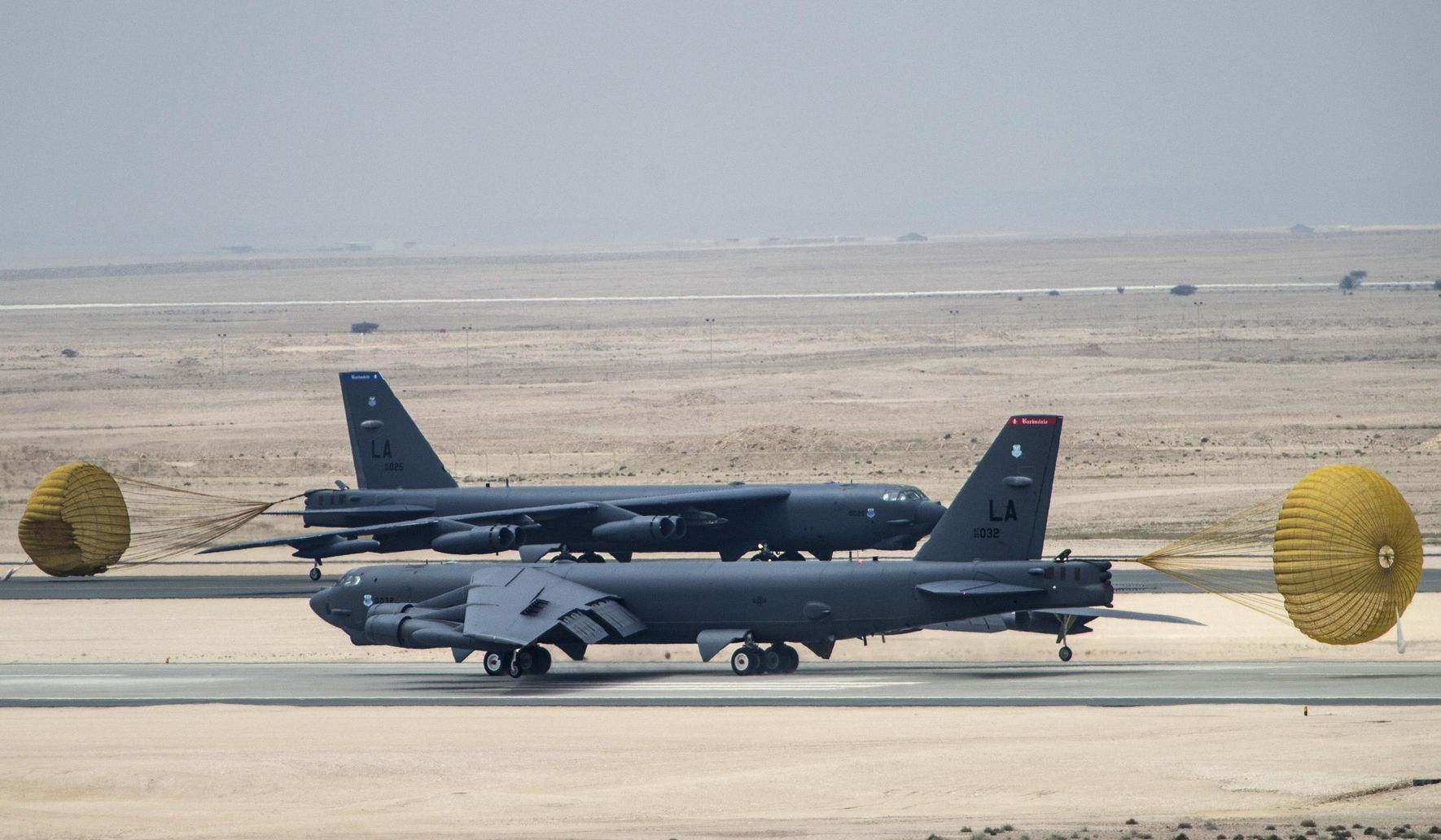
A recent swarm of drones penetrated the perimeter of an Air Force nuclear bomber base in Louisiana and the incident is now under formal investigation, the Air Force Global Strike Command said.
The intrusion involved multiple unmanned aerial systems that reached airspace over a nuclear-capable installation in Louisiana, prompting an immediate response and a formal probe. Officials with Air Force Global Strike Command confirmed the event is being examined to determine how the drones entered restricted airspace and what safeguards failed. The situation raises clear operational questions about detection, tracking, and rapid response around high-value military assets. For now, the command has framed the episode as a security incident under active review.
Military bases housing nuclear-capable aircraft rely on layered defenses, and any breach — whether accidental or intentional — triggers a sequence of notifications and containment actions. That sequence typically involves base security forces, local law enforcement, air defense radars, and command-level coordination to assess intent and risk. Investigators will sift through radar logs, sensor feeds, and eyewitness accounts to reconstruct the timeline. The goal is to learn whether this was a brief lapse or a symptom of broader vulnerabilities.
Drones come in many shapes and sizes, from hobbyist quadcopters to larger, more capable systems that can fly farther and carry payloads. Even small craft can pose disproportionate risk if they operate near sensitive flight lines or parked nuclear-capable bombers. The intrusion underscores how inexpensive technology can create outsized headaches for national security when it appears where it should not. That dynamic has already forced military planners to rethink detection thresholds and interdiction rules.
When an airspace violation touches nuclear assets, the reaction is naturally cautious and methodical to avoid escalation and to protect classified procedures. Commanders must balance immediate safety — including grounding or dispersing aircraft if necessary — with preserving the integrity of ongoing missions. Investigative work will examine chain-of-command decisions and whether established protocols were followed in real time. Any changes recommended will aim to restore confidence in barrier systems and operational discipline.
Coordination with civilian authorities is also part of the picture because many incidents involving drones begin in the civil aviation domain or over nearby populated areas. The Federal Aviation Administration and local police often assist in tracking drone operators and enforcing no-fly restrictions, while military units focus on protection and mitigation. That civil-military handoff can be messy if information is delayed or systems aren’t interoperable. Strengthening those links is likely to be a priority as the inquiry moves forward.
Technology solutions are one piece of the answer and include enhanced radar coverage, radio-frequency detection, and counter-drone tools that can jam or otherwise neutralize unmanned aircraft. But those measures come with legal, operational, and safety trade-offs, especially near civilian communities and commercial air traffic. Any mitigation strategy must account for public safety, regulatory limits, and potential diplomatic fallout if aggressive measures inadvertently impact nonhostile users. Investigators will weigh the practicality of upgrades against the consequences of deployment.
The human element matters just as much as hardware: personnel must be trained to recognize drone threats, report incidents quickly, and execute interdiction rules without hesitation. Training exercises that simulate swarms and low-observable threats help crews develop muscle memory for fast decisions. Audits of prior responses and tabletop drills can reveal gaps that sensors alone won’t fix. Expect the ongoing review to recommend tweaks to training, reporting standards, and decision-making authorities.
Public communications during these inquiries are measured because officials must protect operational details while keeping communities informed about any safety implications. The Air Force Global Strike Command’s statement confirms an investigation but does not divulge sensitive timelines or methods. That measured posture helps prevent misinformation and avoids revealing vulnerabilities to potential adversaries. Still, transparency about steps taken afterward builds public trust that the military will correct weaknesses it uncovers.
In coming weeks, the investigation will likely produce after-action findings that identify technical failures, procedural lapses, or both. Some recommendations may be immediate and technical, such as sensor adjustments, while others could be organizational changes affecting oversight and coordination. The episode will feed into broader debates about how to protect critical military infrastructure in an era of proliferating drone technology. Meanwhile, commanders and investigators will keep focusing on ensuring that nuclear-capable forces remain secure and mission ready.

