

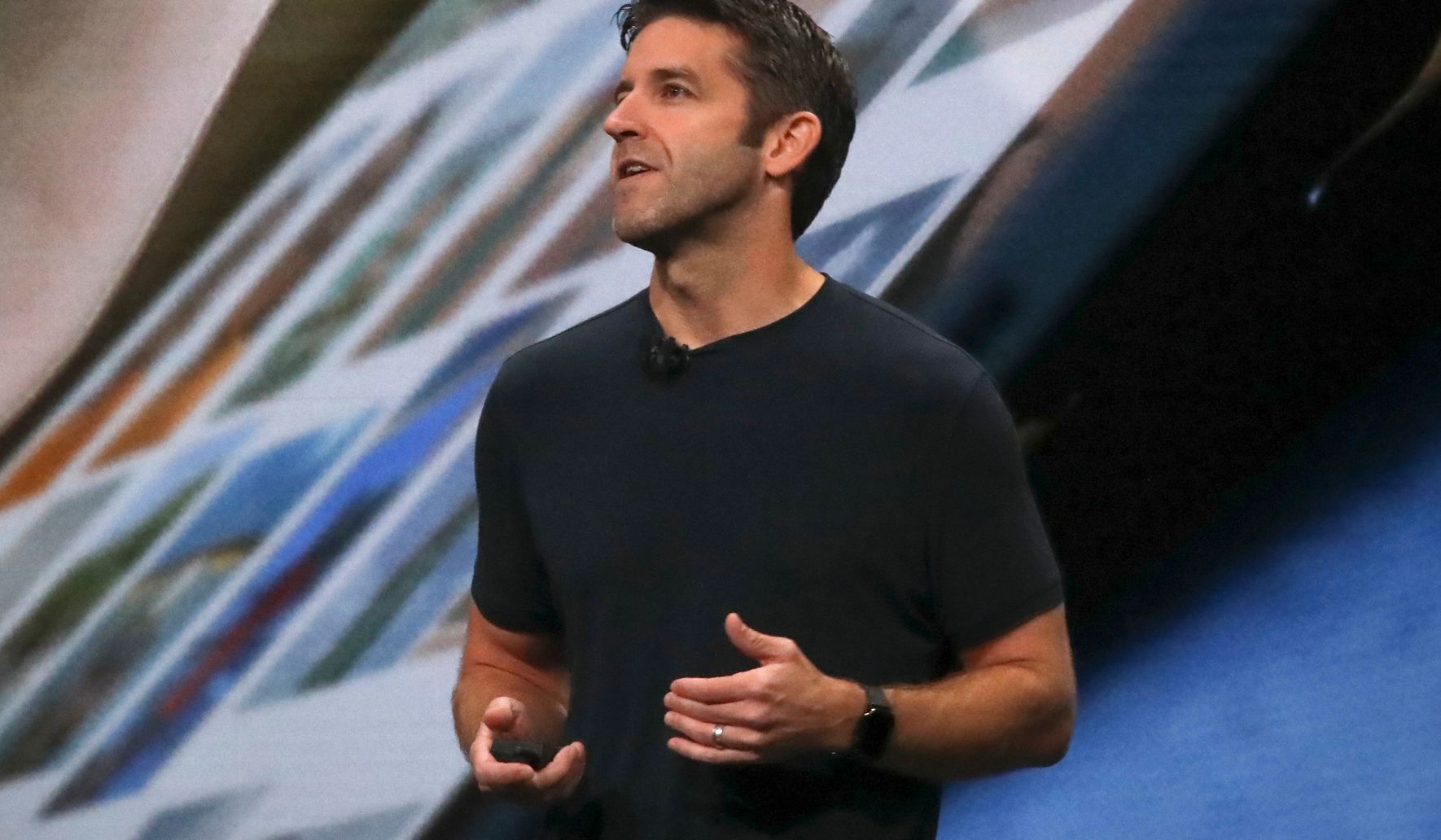
Apple is preparing a leadership change: Tim Cook will step down as CEO on Sept. 1 and John Ternus, a 25-year company veteran, will take over as chief executive.
Apple announced Monday that Tim Cook will step down as chief executive officer on Sept. 1, handing the reins to John Ternus, a 25-year company veteran who has quietly shaped the company’s hardware and product design. The decision marks one of the most consequential executive moves in Apple’s recent history and comes with a clear transition date. The company framed the handoff as orderly and planned, aiming for continuity across product groups and operations.
John Ternus has spent a quarter century at Apple, rising through engineering ranks and taking lead responsibility for hardware architecture and industrial design in recent years. Colleagues and industry observers describe him as intensely focused on execution and engineering detail, the kind of leader who pays attention to component choices and manufacturing tolerances. That reputation suggests a CEO who will prioritize product integrity and keeping Apple’s devices tightly integrated.
Tim Cook’s announcement triggered immediate questions about strategy and culture under a new CEO. Investors and customers will watch how Ternus balances Apple’s legacy strengths in premium hardware with growing demands in software, services, and artificial intelligence. The transition also raises the question of whether management style will shift from Cook’s operational steadiness to Ternus’ engineering-first approach.
Internally, Apple faces the task of maintaining momentum across multiple product lines while Ternus assumes the top role. Senior leaders in design, software, and services will need to align on priorities to prevent fragmentation during the handover. Apple’s tightly coordinated release cadence and supply-chain choreography will be tested as responsibility moves to a new executive office.
On the product front, continuity matters most to customers who expect familiar quality and reliable updates. Ternus’ background suggests he will defend the hardware roadmap, keeping devices recognizable while nudging technical improvements forward. That could mean steady refinement of iPhone, iPad, Mac, and wearables rather than dramatic departures in look and feel.
Market reaction will focus on whether investors see this as a risk or an opportunity. Some shareholders prize stability and may welcome an insider with deep technical experience, while others will press for clarity on growth drivers beyond hardware. Analysts will be parsing guidance from Apple’s leadership team and watching near-term earnings and product announcements for signs of strategic shifts.
Employees will also be evaluating how day-to-day priorities change under Ternus. Engineering-driven CEOs often shift emphasis toward product perfection and tighter integration between hardware and software teams. That can accelerate development cycles in some areas while tightening approval gates in others, affecting timelines for features and new models.
Regulatory and competitive pressures will remain part of the environment Ternus inherits. Apple will continue to navigate antitrust scrutiny, global supply constraints, and intense competition across mobile, computing, and emerging AI services. How the new CEO addresses these external pressures will shape Apple’s ability to protect margins and expand services revenue.
The Sept. 1 date gives Apple time to manage communications, finalize succession details and reassure partners, suppliers, and major customers. Transition planning at that scale also means boards, investors, and senior staff have likely run contingency scenarios to preserve operational continuity. For a company whose brand depends on predictable product cycles, a smooth handoff will be crucial.
For the broader tech community, the leadership switch is a reminder that long-running companies evolve with new hands at the helm. Ternus’ appointment underscores Apple’s preference for promoting from within and signals a continued focus on the engineering DNA that has driven its devices. The coming months will reveal how that DNA translates into strategy at the topmost level and what it means for Apple’s next generation of products.

